
Hike the Red Reef Trail from Red Cliffs Campground near St. George, Utah: 2 miles through a red rock wash to natural water pools, waterfalls, and carved footholds. Moderate, dog-friendly.
Quick Facts
| Trail Name | Red Reef Trail |
| Location | Red Cliffs Recreation Area, near Leeds, Utah |
| Coordinates | 37.2243° N, 113.4052° W |
| Distance | 2 miles roundtrip |
| Elevation Gain | ~200 feet |
| Difficulty | Moderate (scrambling at waterfall section) |
| Time | 1–2 hours |
| Dogs Allowed | Yes, on leash |
| AllTrails | View on AllTrails |
How to Get There
From St. George, take I-15 north to Exit 22 (Leeds). Follow signs for Red Cliffs Recreation Area, turning onto Silver Reef Road and then Quail Creek Drive. Continue to Red Cliffs Parkway and turn onto Red Cliffs Campground Road. The trailhead is at or near the campground entrance. The drive from downtown St. George takes about 20-25 minutes. From Las Vegas: I-15 north about 1.5-2 hours to St. George, then take I-15 north past St. George to Exit 22. From Salt Lake City: I-15 south about 4-4.5 hours to Exit 22. From Zion National Park: UT-9 west to I-15 north to Exit 22.
Parking Information
Parking at the Red Cliffs Campground with a day use fee. The lot is at the campground; confirm current day use fee and access at recreation.gov or at the site entrance before your visit. The lot can fill on weekends and spring/fall peak days. Arrive before 8 a.m. on busy days. 
Cell Service and Navigation
Cell coverage is present near the I-15 / Leeds area and at the campground. It may decrease in the canyon on the trail. Download AllTrails offline before heading out. The trail is well-marked and the canyon guides you; navigation is not complex. Having GPS active is useful for confirming your position at the waterfall scramble section.
What to Expect on the Red Reef Trail
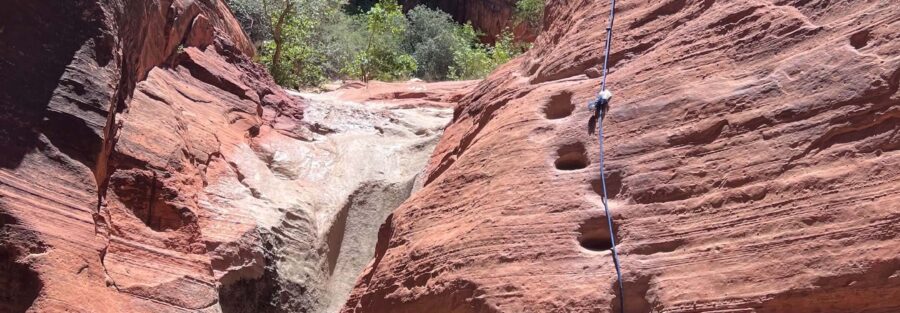
The trail begins in a sandy wash at the campground and follows the wash as it enters a narrowing red rock canyon. The canyon walls rise steeply on both sides, their deep red Navajo Sandstone contrasting with the blue sky overhead. The wash terrain, sand, gravel, and rock, is the characteristic surface of southern Utah’s desert canyon hiking. Flash flood potential exists in all wash-based canyon trails; check weather before entering. As the canyon narrows, the character shifts from open wash hiking to enclosed canyon. The walls close in and the scale of the red sandstone becomes more immediate at canyon floor level than from any overlook. Natural water pools and small waterfalls are the trail’s defining feature. The pools form in the sandstone potholes carved by seasonal water flow, and in spring and after rainfall they hold enough water to be visually striking in the desert context. The waterfalls are small but the sound of water in a southern Utah canyon is distinctive precisely because it’s unexpected. The carved footholds section: at one waterfall, carved handholds and footholds in the canyon wall allow scrambling up alongside the falls. This is the trail’s adventure element and the most common photograph subject, the carved holds in the red rock, the water next to them, and the canyon context around them. The scrambling is accessible for most hikers in good footwear but requires confidence on the rock face. For photography: the water pools reflect the canyon walls in still conditions, creating double exposures of the red sandstone. The carved footholds section at the waterfall is the classic Red Reef composition. Morning light from the east illuminates the canyon in the lower sections before midday. Wide-angle for the canyon and water pool context, mid-range for the waterfall and foothold detail. Red Reef runs through a desert wash canyon. Check weather for the full upstream drainage area before entering. Do not hike if rain is forecast for the region. The narrow canyon sections can concentrate flash flood water rapidly. Exit immediately if water rises, water begins flowing where it wasn’t, or the sky darkens upstream. 
Trail Difficulty and Length
Red Reef Trail is approximately 2 miles roundtrip with 200 feet of gain. Moderate is accurate: the scrambling at the waterfall section earns the rating even though the overall terrain is not demanding. Budget 1-2 hours for the out-and-back with time at the pools and the waterfall.
Dog Friendly?
Yes. Dogs are welcome on leash. The water pools are appealing for dogs; keep dogs on leash and be aware of the scrambling section where dogs may need to be lifted or guided. Flash flood risk in the canyon means dogs should be kept under close control to enable a fast exit if needed. Bring water for dogs.
What to Bring
Water: 2 liters for a short moderate canyon hike. Sturdy shoes with grip for the scrambling section at the waterfall. Sun protection for the exposed wash sections and the campground approach. Camera with wide-angle for the canyon and pools and mid-range for the waterfall detail. 
Best Time to Visit
Spring (March through May) and fall (September through November) are the most comfortable windows. Spring often produces the highest water volume in the pools and waterfalls after winter precipitation. Summer is possible with very early morning starts; the canyon provides shade after the sun clears the rim, but southern Utah’s summer heat still affects the open sections. Flash flood risk from summer monsoons is highest from July through September. The pools are most photogenic in spring and after any significant rainfall. Winter is mild at the Red Cliffs / St. George elevation and accessible in most years.
Rules and Regulations
Stay on designated trails. Flash flood weather awareness required. Dogs on leash. Leave No Trace throughout. No fires outside designated campground areas. Day use fee at Red Cliffs Campground; confirm current fee at recreation.gov. Pack out all trash.
Where to Stay Near St. George
Camping Nearby
Red Cliffs Campground is at the trailhead: BLM-managed developed camping. Reservations through recreation.gov. In-park camping enables a very early morning Red Reef start. Snow Canyon State Park campground is about 15-20 minutes west for another developed camping option with a southern Utah landscape setting.
Nearby Adventures
The St. George area trail catalog: Snow Canyon SP (Petrified Sand Dunes, Lava Tube Trail, Butterfly Trail, Jenny’s Canyon), Red Cliffs NCA, Babylon Arch, Quail Creek SP Overlook, Toquerville Falls, and Sand Hollow State Park. Red Reef and Babylon Arch are both in the Red Cliffs NCA and Cottonwood Forest Wilderness zone near the Red Cliffs Campground, making them natural day companions. Zion National Park’s south entrance is about 35-40 minutes east on UT-9. The Red Reef canyon experience and a Zion canyon day can be combined in a two-day St. George base itinerary. 
Plan This Hike
AllTrails has the Red Reef Trail mapped with offline capability and current condition reports. Plan your hike on AllTrails and download before leaving the campground area. Check current water pool status in the condition reports before visiting.
Chase the Quiet
Southern Utah’s desert is mostly brown and orange and red. The Red Reef pools break that palette completely: water in the sandstone potholes, the canyon walls reflected in it, the small falls running alongside carved rock steps that somebody made so the canyon was easier to navigate. It’s a short trail and a compact experience, but the presence of water in the middle of a desert canyon system that stays dry most of the year gives Red Reef a quality that’s specific to this landscape and harder to find than the overlook views that make up most of southern Utah’s hiking catalog.
Support the Adventure
To make your walls less boring, check out my photography portfolio and bring a piece of the wild and my story into your home. If you’d like to fuel future adventures, you can donate a coffee on Ko-Fi. Every cup keeps me chasing sunrises and stories. When you shop using my affiliate links, every click helps support this blog at no extra cost to you. It’s a small way to keep Unicorn Adventure alive and kicking while I keep exploring. Subscribe to my mailing list for future updates, new stories, and behind-the-scenes adventures. Stay connected with me on Instagram and Facebook for more photos and daily inspiration. Thanks for being part of the journey, Unicorn Squadron!
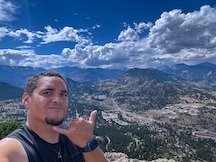
Theo Maynard is a landscape photographer and adventure blogger based in Salt Lake City. He chases remote desert and mountain light across the American West, documents it all solo, and shares the journey through Unicorn Adventure. He’s on the autism spectrum, and that’s not a footnote, it’s the whole story. He creates to inspire others to get outside, chase what lights them up, and live their best possible life. Unapologetically himself.



1 Comment
Quail State Park Overlook Guide in Quail Creek State Park Utah
[…] NCA, Babylon Arch, Toquerville Falls, Quail Creek SP, Quail State Park Overlook (this post), and Red Reef Trailhead in Cottonwood Forest Wilderness. St. George’s geographic position gives access to both the […]