


Cold Weather Camping Essentials: What Actually Keeps You Warm
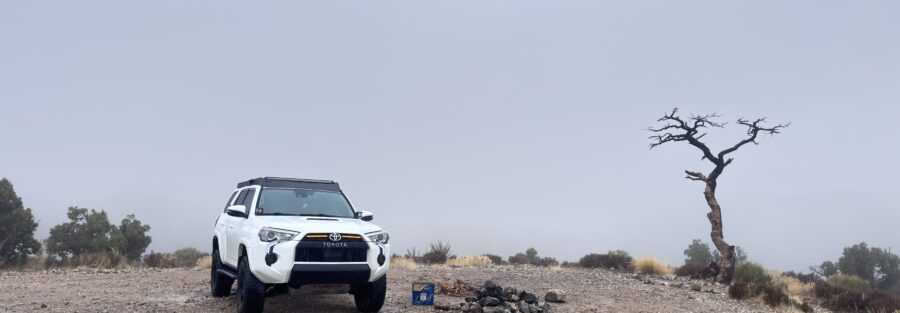
Cold doesn’t care about your plans. I camp year-round across the American West. That means 20-degree nights in the Uintas. Frozen mornings at Kodachrome Basin in November. Pre-dawn starts at Bryce Canyon in January where the air hurts your face and your fingers stop cooperating. Estes sits in parking lots where the windshield ices over before I’m done setting up camp. Cold weather camping is a different game than summer camping. The gear matters more.
I’m also autistic. My body doesn’t always regulate temperature the way it should. Cold hits harder and faster. Discomfort escalates into distress quicker than it does for most people. I’ve learned that the gap between comfortable and miserable in winter camping is exactly three pieces of gear you forgot to pack.
These are the cold weather camping essentials I’d actually recommend. Hand warmers, blankets, sleeping bags, and layers that work when temperatures drop below freezing. No gimmicks.
The Best Cold Weather Camping Essentials
1. HotHands Variety Pack, Hand, Toe, and Body Warmers in One Kit
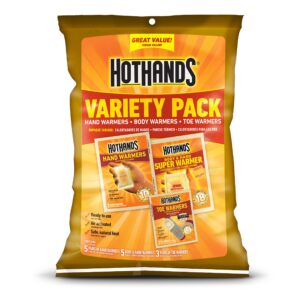
The HotHands Variety Pack includes hand warmers, toe warmers, and body warmers in different sizes. Air-activated. Heats in 15 to 30 minutes. Lasts for hours.
One pack covers hands, feet, and core. Hand warmers work well in jacket pockets for warming fingers while setting up camp. Toe warmers feel a little thick in boots at first but become unnoticeable after an hour. I use the super warmers to preheat my sleeping bag before climbing in. One near the feet and another by the core makes a noticeable difference on cold nights in the Uintas. Activation is simple. Open the package and shake. They work better exposed to air, so don’t bury them in layers too quickly. Lightweight and easy to pack. The tradeoff is waste. These are single-use. If you camp frequently in cold weather, you’ll go through a lot of them. Heat output drops in extremely cold temps. Can feel bulky in tight gloves or boots. But for reliable, no-fuss backup warmth on winter trips, a variety pack covers your bases.
2. Ignik XL Body Warmers, Eco-Friendly 24-Hour Heat With Reusable Pouch
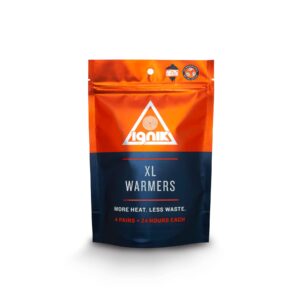
The Ignik XL Body Warmers are biodegradable body warmers with reusable pouches. Lasts up to 24 hours. XL size for sleeping bags and core warming.
Biodegradable materials and a reusable pouch set these apart from disposable warmers. The ones that work give steady warmth in sleeping bags all night. I could reseal partially used warmers and use them the next day, which stretches value on multi-day trips. The XL size fits well in sleeping bags for core warming. Too bulky for jacket pockets. Lasts close to the advertised 24 hours when working properly. The tradeoff is consistency. Quality varies between warmers in the same pack. Some activate properly and deliver steady heat. Others barely warm up. The contents can clump into hard lumps instead of staying loose. That inconsistency is frustrating when you’re counting on warmth at 15 degrees. For environmentally conscious campers who want less waste, these are the better option. Just bring backup warmers in case you get duds.
3. HotHands Lap Warmer, 16×10-Inch Coverage for Camp Chair Comfort
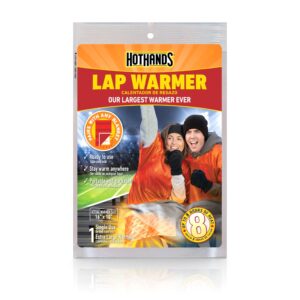
The HotHands Lap Warmer is a 16 by 10 inch air-activated lap warmer. No batteries or power source needed. Lasts up to 8 hours.
Large enough to cover your lap and upper legs in a camp chair. No batteries. No power source. Open, shake, wait about 20 minutes, and warmth spreads across the whole surface. I used this sitting around camp at Kodachrome Basin on a cold November evening. The size covered my lap nicely in the chair. Stayed warm for a full 8 hours. I tossed it over my sleeping bag before bed and it helped keep my core warm through the night. Simple and effective. The tradeoff is single-use design and slow activation. Takes up to 30 minutes to reach full heat when you’re already cold and want warmth now. No temperature control. You get what you get. Need extras for multi-day trips. But for sitting around camp in cold weather or preheating a sleeping bag, this is a simple tool that works.
4. Arcturus Wool Blanket, 70% Wool That Stays Warm When Wet
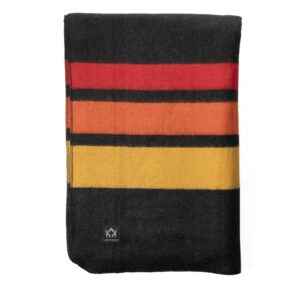
The Arcturus Wool Blanket is a heavyweight 70% wool blend blanket with reinforced edges. Machine washable. 4.5 pounds.
Wool stays warm when wet. That’s the whole point. Synthetic blankets lose insulating ability when damp. This wool blend keeps working in the condensation and moisture that happens in cold-weather tents. I’ve used this on several winter trips and it outperformed synthetics in damp conditions consistently. The tight weave and reinforced edges hold up to outdoor use and repeated washing. Machine washable on cold cycle. Fabric softens over time. At 4.5 pounds, this is car camping gear. Too heavy for backpacking. Initial wool smell is strong out of the package but fades after the first wash. Texture is scratchy at first but breaks in with use. Line drying takes time. For car camping in cold, damp conditions, wool is the material that actually works when everything else gets wet. I keep this in Estes year-round as cold weather insurance.
5. HotHands Super Warmers, 18-Hour Heat That Works in Wind
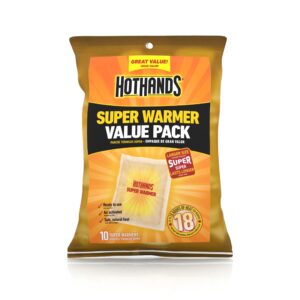
The HotHands Super Warmers are large air-activated body warmers. Up to 18 hours of heat. Works in cold and windy conditions.
The longest-lasting warmers in the HotHands lineup. 18 hours of steady heat. I used these on a 20-degree camping trip and they heated up in about 20 minutes and stayed warm all night. The bigger size works well in sleeping bags or inside jacket layers for core warming. Wind performance is where these stand out. Other brands lose heat quickly in wind. These kept working even when I stepped outside the tent at night in exposed conditions at Flaming Gorge. Steady, consistent output. The tradeoff is waste and skin contact. Single-use packets create garbage on long trips. They can get hot enough to irritate bare skin, so use them over a layer rather than directly against your body. Slow to heat when you’re already cold and shivering. But for reliable all-night warmth in genuinely cold conditions, these are the warmers I pack first.
6. QIO CHUANG Emergency Mylar Blankets, 2-Ounce Heat Retention Backup
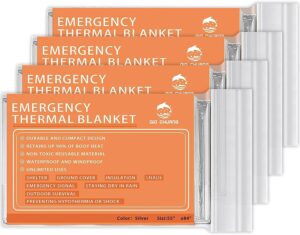
The QIO CHUANG Emergency Mylar Blankets are reflective mylar emergency blankets. 84 by 55 inches. 4 per pack. Just over 2 ounces each. Waterproof.
Emergency blankets are backup gear, not primary warmth. But they weigh almost nothing and pack tiny. The reflective mylar traps body heat effectively. I kept warm when temps dropped into the 40s using one as a sleeping bag liner. These feel sturdier than most emergency blankets. I pulled them tight without tearing. At just over 2 ounces each, four blankets per pack spread across different gear bags as insurance. Waterproofing helped when dew settled on the tent in the morning. I use them as ground sheet liners under sleeping pads to reflect heat upward. The tradeoff is noise and reusability. Crinkly mylar is loud every time you move. The bright orange color eliminates any stealth camping option. Nearly impossible to refold after opening. Not comfortable as a primary blanket. But for the weight and price, having emergency mylar blankets in your cold weather kit is basic safety that costs almost nothing to carry.
7. MalloMe Sleeping Bag, Budget-Friendly 3-Season Bag With Compression Sack
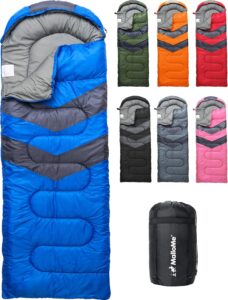
The MalloMe Sleeping Bag is a rectangular sleeping bag with synthetic fill and compression sack. Machine washable. Double-sided zippers.
Budget sleeping bag that works for spring and fall camping. Comfortable between 55 and 65 degrees. The compression sack squeezes it down small enough to fit in a backpack. Machine washable. I tossed it in the washer after a muddy trip and it came out clean. Shell wipes off easily for lighter dirt. Zippers don’t jam, even in the dark. That matters more than you’d think when you’re half asleep and cold. Drawstrings around the head help retain warmth. The critical limitation is temperature. This bag is rated for moderate weather only. Below 50 degrees, you’ll be cold. This is not a winter camping sleeping bag. Rectangular shape takes up more tent space than mummy bags. Synthetic fill can feel stuffy. For budget-conscious campers who camp in shoulder seasons, this works. Pair it with warmers and a wool blanket to push it into cooler temps. But for genuine cold weather camping below freezing, invest in a proper cold-rated bag.
9. Purjoy Warm Fleece Balaclava, Full Face and Neck Coverage in Thick Fleece

The Purjoy Warm Fleece Balaclava is a thick fleece balaclava with full face and neck coverage. Budget-friendly. Wind blocking.
Full face and neck coverage in thick fleece. Blocks wind from cheeks, neck, and forehead. The fleece feels soft against skin without irritation. I used this on winter trips where wind chill made exposed skin dangerous. Works well sitting around camp, sleeping in the tent, and on cold morning starts before sunrise shoots at Bryce Canyon. Budget-friendly price for solid warmth. The tradeoff is bulk and care. Thick material restricts jaw movement, making eating and drinking awkward without pulling it down. Drawstring adjustment feels cheap and doesn’t hold well. Hand-wash only, which is inconvenient on multi-day trips. Bulkier than performance balaclavas from outdoor brands. For basic camp warmth and sleeping in cold tents, this works. For active hiking or skiing where you need jaw mobility and moisture wicking, spend more on a performance balaclava. This is camp comfort, not trail performance.
10. Tirrinia Waterproof Outdoor Blanket, Sherpa-Lined Blanket With Wind-Resistant Backing
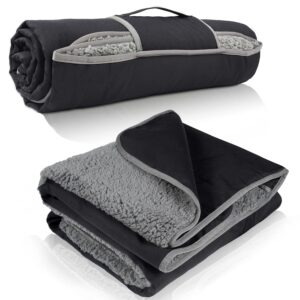
The Tirrinia Waterproof Outdoor Blanket is a sherpa-lined blanket with wind and water resistant backing. Lightweight. Large size.
Surprisingly warm for how thin it is. Sherpa lining is soft and comfortable. The backing blocks wind and light moisture. I wrapped up in this by the campfire at Flaming Gorge and stayed comfortable as temperatures dropped through the evening. Light enough to carry around camp easily. Works as a wrap, a lap blanket, or an extra layer over a sleeping bag. The tradeoff is durability and waterproofing. The fabric tears easily on rough ground. Don’t sit on it directly over rocks or gravel. Heavy rain will soak through eventually, so this is water-resistant, not waterproof. Don’t rely on it in a downpour. Large size can be awkward to pack. For wrapping up around a campfire or adding a comfort layer at cold weather camp, this sherpa blanket does its job. Just treat it gently and keep it off abrasive surfaces.
How to Stay Warm When Cold Camping
Layer your warmth systems. No single piece of gear keeps you warm in cold weather. You need insulation in your sleeping system, warmth on your body, and backup heat sources for extremities. Start with a sleeping bag rated 10 to 15 degrees below the coldest temperature you expect. Add a wool blanket for damp conditions. Use warmers to preheat your bag and keep hands and feet functional.
Moisture is the enemy. Wet gear loses insulating ability. Wool and synthetic fills retain warmth when damp. Down loses heat fast when wet. Keep your sleeping bag dry. Use waterproof ground sheets. Change out of sweaty layers before bed. Eating a hot meal before sleep generates body heat that carries into the night. Cold weather camping rewards preparation and punishes improvisation.
Frequently Asked Questions
What’s the single most important cold weather camping item?
Your sleeping bag. If you sleep cold, everything else falls apart. Get a bag rated 10 to 15 degrees below the lowest temperature you expect. The MalloMe on this list is budget-friendly but only works above 50 degrees. For genuine cold weather below freezing, invest in a proper winter-rated bag.
Are hand warmers worth carrying?
Yes. They weigh almost nothing and provide reliable backup warmth for hands, feet, and sleeping bags. HotHands Super Warmers last up to 18 hours. I buy them in bulk and carry them on every cold weather trip. They don’t replace proper insulation but they fill the gaps when your core gear isn’t quite enough.
Wool blanket or synthetic blanket for cold camping?
Wool if conditions might get damp. Wool retains insulating ability when wet. Synthetics dry faster but lose warmth when saturated. For car camping where weight doesn’t matter, the Arcturus wool blanket outperforms synthetics in the conditions that matter most, cold and damp.
How do I manage sensory discomfort in cold weather gear?
Start with soft base layers against your skin. The Purjoy balaclava uses fleece that doesn’t irritate. Wool blankets are scratchy at first but soften with washing. Avoid gear that creates unpredictable sensations like crinkly mylar against bare skin. Layer warmth so you can adjust without full gear changes. Consistent, predictable warmth is the goal.
Can I cold camp with budget gear?
Yes, within limits. The gear on this list is mostly budget-friendly and works for moderate cold. Below 20 degrees, invest in a proper winter sleeping bag, insulated pad, and quality layers. Cheap gear in extreme cold is dangerous. In shoulder season temps between 30 and 50 degrees, budget gear paired with warmers and blankets works fine.
Cold Doesn’t Stop the Adventure
Some of my best photographs happen in winter. Frozen landscapes. Empty trails. Light that doesn’t exist in summer. But winter camping only works if you stay warm. Every item on this list has been tested on real cold weather trips across Utah, Colorado, and Idaho.
The best cold weather gear is the gear you actually bring and know how to use. Pack it. Layer it. Stay warm.
Support the Adventure
To make your walls less boring, check out my photography portfolio and bring a piece of the wild and my story into your home.
If you’d like to fuel future adventures, you can donate a coffee on Ko-Fi. Every cup keeps me chasing sunrises and stories.
When you shop using my affiliate links, every click helps support this blog at no extra cost to you. It’s a small way to keep Unicorn Adventure alive and kicking while I keep exploring.
Subscribe to my mailing list for future updates, new stories, and behind-the-scenes adventures.
Stay connected with me on Instagram and Facebook for more photos and daily inspiration.
Thanks for being part of the journey, Unicorn Squadron!

Theo Maynard is a landscape photographer and adventure blogger based in Salt Lake City. He chases remote desert and mountain light across the American West, documents it all solo, and shares the journey through Unicorn Adventure. He’s on the autism spectrum, and that’s not a footnote, it’s the whole story. He creates to inspire others to get outside, chase what lights them up, and live their best possible life. Unapologetically himself.
3 Comments
The Best Trekking Poles for Hiking (From Someone Who Hikes Alone and Can’t Afford a Blown Knee) » Unicorn Adventure %
[…] the accessory kit is handy, you get rubber tips for pavement, mud baskets, and snow baskets for winter hiking without needing to buy […]
The Best Camping Sleeping Bags for Warmth, Weight, and Budget » Unicorn Adventure %
[…] right sleeping bag shields you from cold ground, wind, and moisture. It should also be light enough to toss in your pack for hiking […]
Best Hiking Socks for Blister-Free Trails: 7 Picks Tested
[…] These wool blend socks keep feet toasty and comfortable on the trail. They’re soft, warm, and surprisingly breathable for cold-weather hikes. […]