

The Best Camping Gadgets That Actually Earn Their Weight
I’m skeptical of camping gadgets as a category. Most of them solve problems I don’t have, require batteries I’d have to pack, and add weight for marginal benefit. The gear I actually carry in Estes has to work every trip, in every condition, without asking for attention.
But some gadgets are genuinely good. They solve real problems, do it better than the non-gadget solution, and earn their place in the kit through actual use. These are the ones I trust.
Camping Gadgets Worth Carrying
1. BioLite CampStove 2, The One That Does Two Jobs
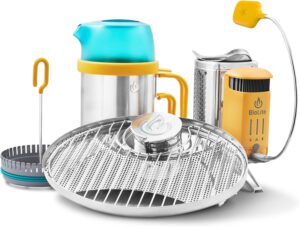
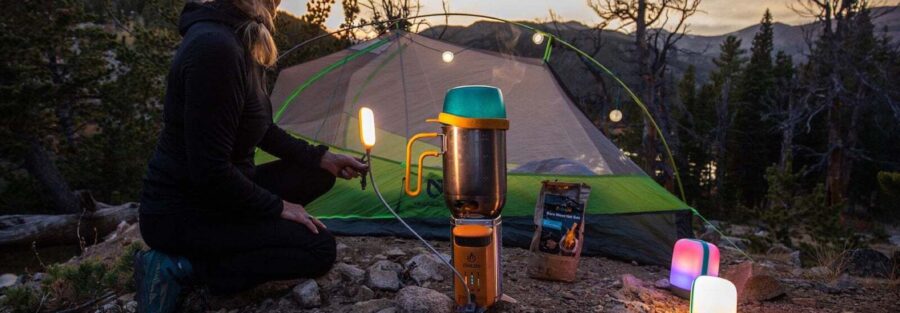
The BioLite CampStove 2 burns wood scraps from the ground and converts heat into electricity to charge devices via USB. The patented fan improves airflow for a cleaner, hotter burn. No fuel canister needed. Weighs two pounds. Packs to water bottle size.
The 50% charging power upgrade from the original model makes it actually useful for phones and headlamps rather than just technically functional. The LED dashboard showing battery level and fan speed is a real usability improvement. On extended Uintas trips or multi-day Grand Staircase-Escalante runs where carrying multiple fuel canisters becomes a weight problem, this stove solves the fuel logistics entirely.
2. LifeStraw Personal Water Filter, The Weight-Nothing Safety Net
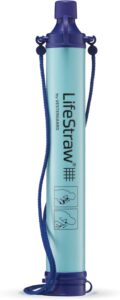
The LifeStraw removes 99.999999% of bacteria and parasites. No batteries, no moving parts, no setup. 1.7 ounces. Stick it in water and drink. Filters up to 4,000 liters before replacement.
I carry this as a backup on every trip regardless of primary filtration. It weighs almost nothing. The scenario it addresses, an unplanned water situation where my primary filter is inaccessible or compromised, is real. On a hot desert push in Death Valley or a long canyon route in Grand Staircase where water sources are limited and the margin for error is small, having a secondary filter in a jacket pocket changes the risk profile.
3. Anker PowerCore Solar 20000, The Off-Grid Power Bank
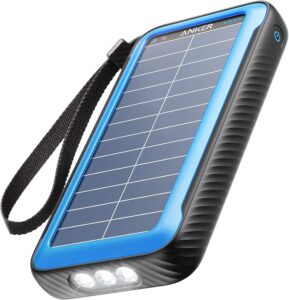
The Anker PowerCore Solar 20000 holds 20,000mAh with dual output ports: 18W USB-C and 12W USB-A. Solar panels as backup charging. IP65 splash and dust resistance. Built-in 3-mode flashlight. 1 pound.
The solar charging is backup, not primary. Don’t rely on solar panels to meaningfully charge a 20,000mAh bank from scratch on a trip. Use wall charging before you leave and use the solar input to offset drain during extended off-grid days. The IP65 rating and the dual output are the reasons to carry this over a cheaper power bank. For charging a GPS, headlamp, and phone simultaneously on a multi-day backpacking trip in the Sawtooths, this is the right size.
4. Therm-a-Rest NeoAir XLite, The Sleep Upgrade
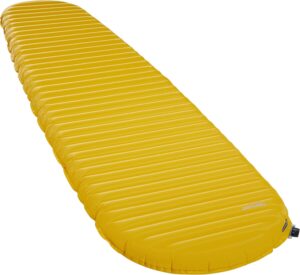
The Therm-a-Rest NeoAir XLite weighs 12 ounces at R-value 3.2. Three inches of cushioning. Packs to one-liter bottle size. The NXT version reduced noise by 83% from the original.
Sleep is the recovery function that makes the next day’s hiking or shooting possible. A pad that insulates from the ground and provides real cushioning makes a measurable difference in how you feel at 5am when you need to be moving for first light. This pad earns every gram of its 12-ounce weight. For three-season use, the XLite is the right call. For winter, step up to the XTherm.
5. Dometic CFX3 Portable Refrigerator, The Logistics Upgrade
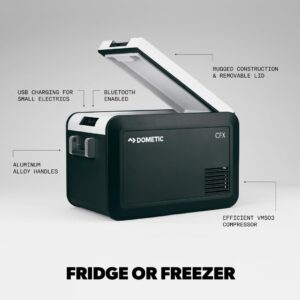
The Dometic CFX3 reaches -7°F and draws less power than a 60W bulb. Multiple sizes. App temperature control. Compressor-based, not thermoelectric. Works on vehicle 12V, AC power, or solar.
This earns the gadget label because it replaces an entire logistics chain. No ice runs. No ice cost. No soggy food. Consistent temperature regardless of ambient heat. For Moab in July or Death Valley in late spring, ambient temps inside a vehicle make ice logistics nearly impossible for multi-day trips. The Dometic makes the food supply a non-issue.
6. MSR Hubba NX, The Tent That’s Actually a System
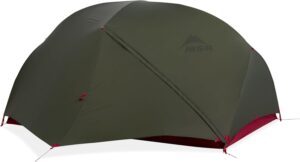
The MSR Hubba NX 2-Person Tent sets up fast, handles three-season weather reliably, and packs small enough for backpacking. Two doors, two vestibules, non-tapered floor, near-vertical walls. 3.5 pounds.
Two doors with independent vestibules means two people can enter and exit without climbing over each other, and gear for two people can be stored covered without crowding the sleeping space. The non-tapered floor gives equal space to both people. These are not gadget features. They’re fundamental design decisions that make the tent more livable. For a solo trip, the two-person gives real interior room at modest weight penalty.
7. Cliganic Mosquito Repellent Bracelets, The No-Spray Option
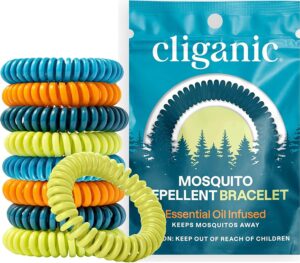
Mosquitoes in the Wind Rivers, the Sawtooths, and any alpine lake basin in July are not theoretical. DEET works but has legitimate concerns for regular use. Plant-oil bracelets are not as effective as DEET for heavy insect pressure but work as a supplement for moderate conditions. Lightweight, no spray residue on gear, usable around food. Carry them alongside a proper repellent spray for backup when bracelets aren’t enough.
What Makes a Camping Gadget Actually Worth Carrying
It has to do one of three things: solve a problem the non-gadget solution can’t, do the same thing better at lower weight, or combine two functions into one item without compromising either. The BioLite does the first and third. The LifeStraw does the second. The Dometic CFX3 does the first definitively.
Gadgets that add complexity without adding capability stay home. Gadgets that remove a logistics problem or cover a safety gap earn their spot. That’s the whole evaluation framework.
Frequently Asked Questions
Do I actually need camping gadgets or is basic gear enough?
Basic gear is enough for most trips. The question is whether a gadget removes a problem or a risk that basic gear leaves open. If it does, it earns its place. If it just adds novelty, leave it. Every item on this list solves something that the low-tech alternative either can’t solve or solves worse at higher weight.
How do you decide what makes the cut for your 4Runner setup?
Three filters. Does it solve a real problem I’ve actually encountered? Does it do the job without creating new problems like extra batteries, fragile parts, or complicated setup? And does it justify its weight and space against everything else competing for room in Estes? If the answer to any of those is no, it stays home.
Is the BioLite CampStove worth it for weekend trips?
For a single weekend, probably not. A standard canister stove is simpler and lighter for short outings. The BioLite earns its spot on extended trips where fuel resupply is a pain or impossible. If you’re doing multi-day backcountry routes and want to ditch the fuel canisters entirely, that’s when it makes sense.
Can I rely on the Anker solar panel to keep my devices charged?
No. The solar panel is a supplement, not a primary charging method. Charge the bank fully before you leave home. Use the solar input to slow the drain over multiple days off-grid. If your trip plan depends on solar panels charging a 20,000mAh bank from empty, your trip plan has a problem.
Is a portable fridge overkill for car camping?
Depends on where and how long. For a one-night campground trip in mild weather, a cooler and ice work fine. For multi-day desert trips where ambient temps hit 100+ degrees, ice becomes a daily logistics headache. The Dometic eliminates that entirely. If you do enough multi-day vehicle-based trips in hot conditions, it pays for itself in ice costs and food you don’t have to throw away.
What about camping gadgets you’ve tried and rejected?
Plenty. Collapsible everything tends to break at the hinge point. Multi-tools that try to be 15 things are mediocre at all of them. Solar lanterns that take eight hours to charge for two hours of dim light. Bluetooth speakers in the backcountry. If a gadget’s main selling point is that it’s clever, that’s usually a warning sign.
Do you recommend these gadgets for beginners?
Start with the LifeStraw and the Therm-a-Rest. Both solve fundamental problems, water safety and sleep quality, at low weight and zero complexity. Build from there based on the kind of trips you’re doing. Don’t buy a portable fridge until you’ve done enough trips to know you actually need one.
Support the Adventure
To make your walls less boring, check out my photography portfolio and bring a piece of the wild and my story into your home.
If you’d like to fuel future adventures, you can donate a coffee on Ko-Fi. Every cup keeps me chasing sunrises and stories.
When you shop using my affiliate links, every click helps support this blog at no extra cost to you. It’s a small way to keep Unicorn Adventure alive and kicking while I keep exploring.
Subscribe to my mailing list for future updates, new stories, and behind-the-scenes adventures.
Stay connected with me on Instagram and Facebook for more photos and daily inspiration.
Thanks for being part of the journey, Unicorn Squadron!

Theo Maynard is a landscape photographer and adventure blogger based in Salt Lake City. He chases remote desert and mountain light across the American West, documents it all solo, and shares the journey through Unicorn Adventure. He’s on the autism spectrum, and that’s not a footnote, it’s the whole story. He creates to inspire others to get outside, chase what lights them up, and live their best possible life. Unapologetically himself.