


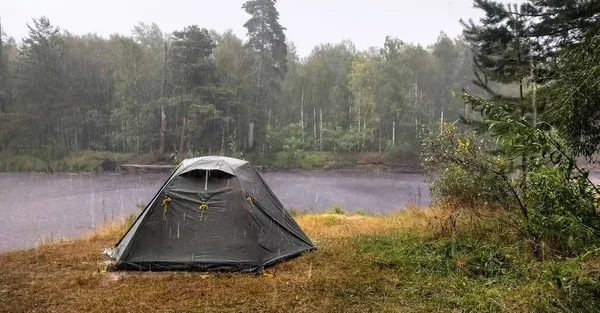
The Best Rainy Day Camping Gear (For People Who Don’t Cancel Trips Over Weather)
Weather in the American West is not always what the forecast says it will be. I’ve had July afternoons in the Uintas turn into hard rain within 20 minutes of a clear-sky morning. I’ve watched the weather come off the Glacier National Park peaks from a dry campsite and be inside my tent soaked within an hour. The Oregon Coast is wet by definition. Rain is a variable, not a reason to stay home.
Being underprepared for rain doesn’t just mean being uncomfortable. Wet clothing in dropping temperatures is a hypothermia risk. Wet camera gear is a trip-ending problem. Wet bedding at a backcountry campsite without dry alternatives is a serious situation. The right rain gear makes all of that a non-issue.
Here’s what I actually trust when the sky opens.
Best Shelter for Wet Conditions
1. MSR Hubba NX, Best Backpacking Tent for Rain
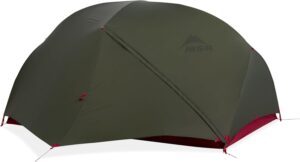
The MSR Hubba NX is the three-season tent I’d choose for a rainy backcountry trip. Hub-style pole system sets up fast even in wet conditions. Weather-resistant fabric keeps rain out while maintaining enough airflow to reduce condensation. Nine square feet of vestibule for wet gear and muddy boots.
The adjustable venting is the feature that matters in sustained rain. A sealed tent keeps rain out but traps moisture from breathing and condensation from temperature differential. The MSR manages that balance well. Available in one, two, and three-person versions. All work for three-season wet weather camping.
Best Rain Clothing
2. Frogg Toggs Ultra-Lite2, Best Budget Rain Suit
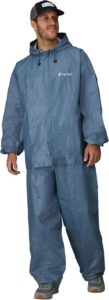
The Frogg Toggs Ultra-Lite2 Rain Suit weighs 12.8 ounces for the two-piece suit. Fits in a stuff sack. Costs a fraction of premium rain gear. Non-woven fabric keeps water out in steady rain without overheating in mild temperatures.
It’s not a multi-day backcountry jacket. It tears easier than heavier options and won’t handle prolonged heavy rain the way the Arc’teryx does. As backup rain gear, as a dedicated light layer for the pack, or for trips where price is the constraint, the Frogg Toggs delivers genuine value. Don’t expect it to last five years of hard use.
3. Arc’teryx Beta SL Hybrid, Best All-Around Rain Jacket
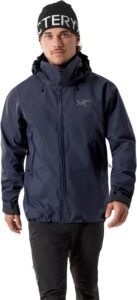
The Arc’teryx Beta SL Hybrid uses two fabric weights: heavier where you need protection, lighter where you need breathability. Handles rain, wind, and light hail without issue. Fits over base layers and mid-layers cleanly. The oversized pit zips regulate temperature during active hiking without opening the main zipper.
Arc’teryx is expensive and earns it. If you camp in wet conditions regularly and want a jacket that functions properly for years, the Beta SL Hybrid is the right call. The DWR treatment lasts longer than budget alternatives and the core waterproofing doesn’t degrade the same way.
4. Randy Sun Waterproof Socks, The Overlooked Game-Changer
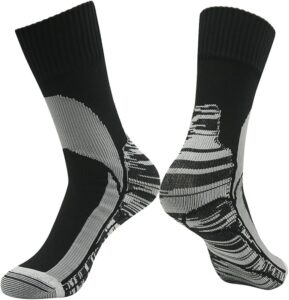
The Randy Sun Waterproof Socks use a waterproof membrane that blocks moisture while staying breathable. Pair them with your regular hiking boots for a surprising level of dry-foot protection on wet trails.
Wet feet are how a good trip becomes a miserable one. Blisters develop faster, cold penetrates faster, morale drops faster. Waterproof socks worn inside non-waterproof trail runners are a lighter, more breathable solution than dedicated waterproof hiking boots for most conditions. Try them on a short trip before committing to a multi-day run.
Best Rain Camp Gear
5. Wise Owl Outfitters Tarp, Best Camp Coverage
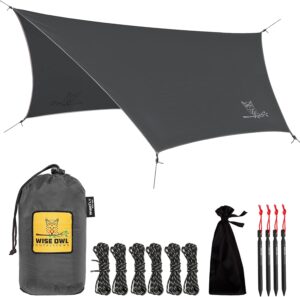
The Wise Owl Outfitters Hammock Rain Fly is 15-denier Ultra-Sil Nano fabric with PU and silicone coating. 3000mm waterproof rating. The large size weighs 26 ounces and configures in multiple setups depending on conditions. Sets up fast when a storm rolls in.
A tarp over the cook area changes the dynamic of a rainy camp entirely. You can eat hot food, keep gear organized, and maintain camp function without everything running into the tent for shelter. I run a tarp as standard kit on any multi-day trip. Rain makes it essential.
6. Black Diamond Spot 400 Headlamp, Wet Weather Lighting
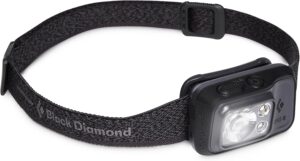
The Black Diamond Spot 400 is waterproof, 400 lumens, dual fuel, with a red night vision mode. You need a headlamp that works in rain. Headlamps with exposed battery contacts or unsealed electronics fail in wet conditions. The Spot 400 doesn’t.
The digital lock prevents accidental activation in a pack. The red mode keeps night vision intact for navigating camp without blinding yourself. For anyone camping in wet environments regularly, the waterproof rating is not a nice-to-have. It’s the reason to buy this headlamp over a cheaper alternative.
7. BioLite CampStove 2, Cooking Without a Fuel Logistics Problem
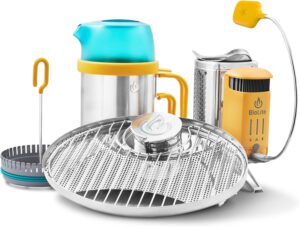
The BioLite CampStove 2 burns twigs and sticks you find at camp, no canister required. The battery-powered fan keeps the fire burning hot and clean even in damp conditions. USB charging port keeps devices alive while you cook.
Wet wood burns poorly without airflow. The CampStove 2’s fan system compensates for damp fuel in a way that a standard campfire can’t. On a rainy Oregon Coast trip or a wet Glacier National Park camp, this stove continues working when conditions make a standard fuel canister stove the right call and you’ve forgotten to pack one.
How to Stay Dry When It’s Actually Raining
Layer Right
Base layer stays dry against skin. Mid layer insulates. Outer shell blocks rain and wind. The system only works if the base layer is moisture-wicking synthetic or wool, not cotton. Cotton holds moisture against the skin and accelerates heat loss. On any cold-weather trip, cotton in the layering system is a genuine safety risk.
Set Up Camp Before the Storm Hits
Read the sky and the barometer. If conditions are deteriorating, stop and camp before the rain arrives. Setting up a tent in horizontal rain is miserable and produces a worse camp setup. The Suunto Core’s barometric pressure function reads the drop before rain arrives. That 30-minute warning makes a significant practical difference.
Keep Dry Storage Separate
One dry bag inside the pack for anything that cannot get wet: camera gear, electronics, sleeping bag, dry layers. Everything else can take moisture. Your sleeping bag getting wet on a backcountry trip is a serious problem. A $15 dry bag prevents it. Pack this way every single time.
Rain Is Part of the Deal
The Iceberg Lake Trail in Glacier National Park is one of the most beautiful hikes I’ve done. I did it in intermittent rain with low cloud cover on the peaks. The light was extraordinary. The crowds were zero. Wet conditions in the backcountry often produce the best photography conditions and the fewest people.
The right rain gear makes the weather irrelevant to your plans. That’s the whole point. Don’t let a forecast cancel a trip that would have been worth doing.
Support the Adventure
To make your walls less boring, check out my photography portfolio and bring a piece of the wild and my story into your home.
If you’d like to fuel future adventures, you can donate a coffee on Ko-Fi. Every cup keeps me chasing sunrises and stories.
When you shop using my affiliate links, every click helps support this blog at no extra cost to you. It’s a small way to keep Unicorn Adventure alive and kicking while I keep exploring.
Subscribe to my mailing list for future updates, new stories, and behind-the-scenes adventures.
Stay connected with me on Instagram and Facebook for more photos and daily inspiration.
Thanks for being part of the journey, Unicorn Squadron!

Theo Maynard is a landscape photographer and adventure blogger based in Salt Lake City. He chases remote desert and mountain light across the American West, documents it all solo, and shares the journey through Unicorn Adventure. He’s on the autism spectrum, and that’s not a footnote, it’s the whole story. He creates to inspire others to get outside, chase what lights them up, and live their best possible life. Unapologetically himself.