


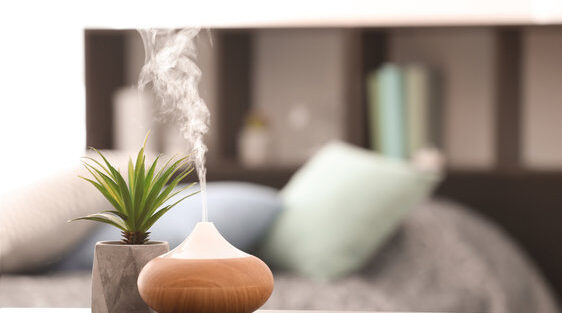
The Best Essential Oil Diffusers for Relaxation (From Someone Who Actually Needs Them)
I spend a lot of time in genuinely quiet places. The Willis Creek Narrows outside Kanab. High alpine lakes in the Uintas. The red rock plateaus above the Goosenecks of the San Juan River. Out there, my brain gets something it can’t get anywhere else. The noise stops. The sensory load drops to nearly zero. I reset.
Then I drive home to Salt Lake City, and the world turns back on. Traffic. Screens. Crowded grocery stores and every ambient sound a city makes. As an autistic person, the gap between the canyon and the city can be genuinely disorienting. I’ve had to get deliberate about the space between those two states. Not just finding quiet in the wild, but building the right environment at home so my nervous system can land softly after a long trip.
Essential oil diffusers are part of how I do that. Scent is one of the fastest pathways to the brain’s limbic system, the part that handles emotion and stress response. The right smell in a quiet room, after a long drive back from Moab or a hard editing session, does something real. It’s not magic. It’s just how the brain works.
I researched and tested the best essential oil diffusers for relaxation across a range of sizes, price points, and features. Here’s what actually earns a spot in a home that takes decompression seriously.
The Best Essential Oil Diffusers for Relaxation, Ranked
1. Asakuki 500ml, Best for Large Rooms and Long Sessions
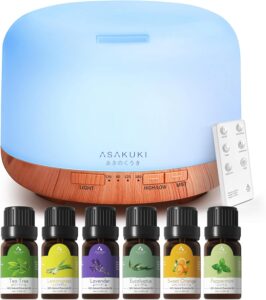
The Asakuki 500ml Essential Oil Diffuser is the one I reach for after a multi-day trip. The 500ml reservoir runs for hours without a refill. Set it, forget it, actually rest. It operates as a 5-in-1 device: ultrasonic diffuser, humidifier, and ambient light with seven LED color options.
The ultrasonic tech is quiet enough for meditation or sleep. Auto shut-off when the water runs out means I don’t have to babysit it. The remote control handles settings from across the room. For a large living space or open floor plan, this is the right unit. Pairs well with lavender or cedarwood after a long push through desert heat.
2. InnoGear Upgraded Aromatherapy Diffuser, Best for Bedrooms
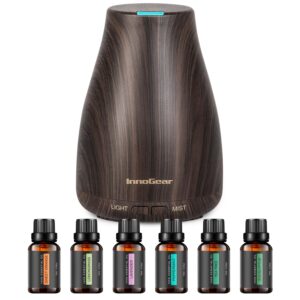
The InnoGear Upgraded Aromatherapy Diffuser runs under 23 decibels. That’s genuinely whisper-quiet, not a marketing claim. For a bedroom, that matters. I don’t want to hear anything running when I’m trying to sleep. I want lavender, darkness, and silence.
Seven LED light colors, all of which can be switched off entirely. Waterless auto shut-off. Timer settings for continuous or interval diffusion. Covers 100 to 250 square feet cleanly. This is the diffuser on my nightstand.
3. URPOWER 2nd Version, Best Starter Diffuser
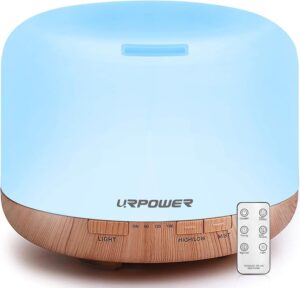
The URPOWER 2nd Version is where I’d tell someone to start. 100ml tank, up to 6 hours of run time, seven LED color options, auto shut-off. No complicated settings. No app. No fuss.
The compact size fits a nightstand or desk without claiming real estate. Add a few drops to the water, press the button, done. If you’ve never used a diffuser and want to see whether aromatherapy is worth adding to a recovery routine, this is the low-stakes entry point. It works. It’s cheap. Start here.
4. Vitruvi Stone Diffuser, Best Premium Option
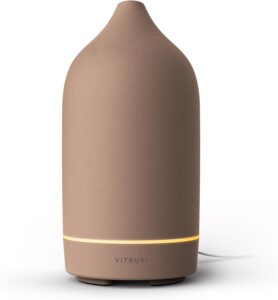
The Vitruvi Stone Diffuser is the one that doesn’t look like gear. Ceramic body, clean modern lines, weighted enough to stay put on a nightstand. It looks like it belongs in the same room as a fine-art print on the wall.
Four-hour and eight-hour timer settings. Runs quietly through the night with no refills. The ceramic feels substantial in a way that cheap plastic diffusers don’t. The price is real, more than anything else on this list, but it comes with a lifetime warranty. If aesthetics matter to your space, this one earns it.
5. Muji Ultrasonic Aroma Diffuser, Best Minimalist Pick
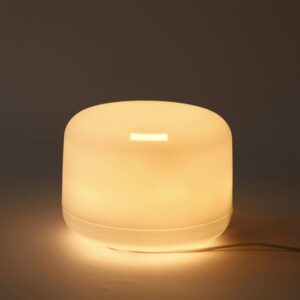
The Muji Ultrasonic Aroma Diffuser is exactly what it looks like: a simple, well-made diffuser from a brand that doesn’t overcomplicate things. Ultrasonic, no heat, two LED brightness settings, four timer options with a three-hour max mist time.
Covers 100 to 130 square feet. Quiet enough for a bedroom or a home office. The minimal design disappears into a space instead of dominating it. For anyone who wants function without visual clutter, the Muji is the answer.
6. Ellia Gather Ultrasonic Diffuser, Best for Mood Layering
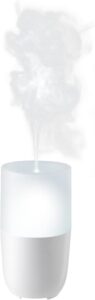
The Ellia Gather Ultrasonic Diffuser does more than diffuse. It layers. Ceramic and wood housing, 200ml tank, up to 10 hours continuous or 20 hours intermittent, color-changing lights, and a built-in library of mood sounds.
Remote control. Works with any essential oils. Made by HoMedics, a company with a real track record in wellness products. The mood sounds feature sounds gimmicky but it isn’t. When I want to recreate the ambiance of sitting above Angels Landing at dusk or listening to wind move through a canyon, having layered audio and scent working together actually does something.
7. SpaRoom Spa Ultra, Best for All-Day or Overnight Diffusion
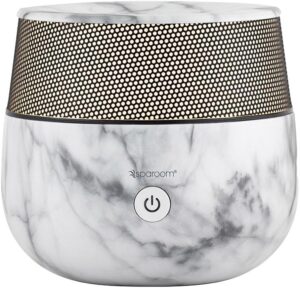
The SpaRoom Spa Ultra Essential Oil Diffuser runs up to 20 hours. That’s all day or all night without touching it. No heat, fine mist, quality materials. Adjustable light settings.
SpaRoom builds specifically for relaxation and wellness use. The Spa Ultra works well with lavender, eucalyptus, and peppermint, exactly the scent profile I reach for when I’m trying to move my nervous system from elevated to settled. The long run time makes it practical for a desk or a living room that needs ambient scent without constant maintenance.
8. NOW Solutions Ultrasonic Aromatherapy Diffuser, Best for Clean Air Days
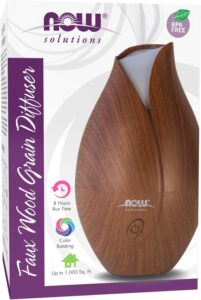
The NOW Solutions Ultrasonic Oil Diffuser is BPA-free, works with tap water, runs 4 to 6 hours, and covers up to 250 square feet. Color-changing LEDs. Quiet operation. Nothing complicated.
NOW Foods makes essential oils I trust. Buying the diffuser from the same brand means the system is designed to work together. The bamboo version is also available if you want something that feels closer to the natural materials I spend most of my time around outside. Both are easy to clean, which matters if you use it daily.
Why Essential Oil Diffusers Actually Help With Relaxation
When you inhale essential oil molecules, they travel through the olfactory system directly to the limbic system. This is the part of the brain responsible for memory, emotion, and stress regulation. The pathway is fast, faster than anything that has to go through the digestive system. That’s why a smell can change how you feel within seconds.
Research backs this up. Studies on lavender oil show measurable reductions in heart rate and blood pressure in anxious subjects. Bergamot has been shown to lower cortisol, the primary stress hormone. Clinical trials on aromatherapy and sleep quality found that people using essential oil diffusers fell asleep faster and woke less frequently through the night.
For neurodivergent people, scent can be particularly useful as a regulation tool. It’s low-effort, non-intrusive, and works at a physiological level without requiring any active focus or technique. I don’t have to do anything. I just let the diffuser run.
That said, aromatherapy works best as one piece of a larger routine, not as a standalone fix. It pairs well with dim lighting, reduced screen time before bed, and a consistent wind-down schedule. The diffuser sets the stage. The rest is up to you.
The Best Essential Oils for Relaxation
Lavender
The most researched oil for anxiety and sleep. Helps lower heart rate. Works in nearly any diffuser at 3 to 5 drops per 100ml. My default after a long day or a hard drive home from the desert.
Cedarwood
Grounding and earthy. Cedarwood smells like the Ponderosa pines above the Bryce Canyon rim or the juniper scrub along the Burr Trail. It pulls me back to those places without leaving the room. Good for evenings when I want to feel settled rather than sleepy.
Bergamot
Bergamot lifts mood while relaxing the body at the same time, a combination that’s harder to find than it sounds. Research shows measurable cortisol reduction. Good for afternoons when stress is elevated but sleep isn’t the goal yet.
Frankincense
Frankincense is what I use for meditation or intentional stillness. Slow, deep, anchoring. If lavender is the oil for sleep, frankincense is the oil for presence.
Eucalyptus
Eucalyptus is for the days after a long dusty trail or allergy season hits hard. Opens the airways, clears the head. I pair it with peppermint when my sinuses are wrecked after a long drive through the desert.
What to Look for When Buying a Diffuser for Relaxation
Noise Level
This is the most important spec and the one most product listings bury. Ultrasonic diffusers are quieter than nebulizing diffusers. Anything under 25 decibels is genuinely quiet. If you’re using it in a bedroom, check the noise rating before buying. A diffuser that hums is a distraction, not a tool.
Tank Capacity and Run Time
For a bedroom, 100 to 200ml with a 4 to 8 hour run time is enough. For a larger living space or all-day use, go 300ml or above. The Asakuki 500ml is the top end of what makes sense for a home environment. Match the tank to the use case.
Auto Shut-Off
Non-negotiable. Every unit on this list has it. A diffuser that runs dry and overheats is a fire hazard and a ruined unit. Auto shut-off when the water level drops is basic safety, not a premium feature.
Light Settings
For sleep, you need the ability to turn the lights off completely. Not just dim them. Off. Ambient light at the wrong wavelength disrupts melatonin production. Every diffuser here gives you that option.
Ease of Cleaning
Oil residue builds up. A diffuser you can’t clean is a diffuser you’ll stop using. Wipe the tank with a damp cloth after each use. Do a deeper clean with diluted white vinegar once a week. Units with wide tank openings and smooth interiors are significantly easier to maintain.
Safety: What to Know Before You Run a Diffuser
Run Time and Ventilation
Don’t run a diffuser continuously in a sealed room. Thirty-minute sessions with breaks in between is a reasonable approach. Oversaturating the air with essential oil molecules can cause headaches, nausea, or respiratory irritation. More is not better.
Pets
Cats are particularly vulnerable to essential oils. They lack the liver enzymes needed to process many aromatic compounds. Never diffuse tea tree, eucalyptus, peppermint, citrus, or cinnamon oils around cats. Dogs tolerate some oils better, but watch for symptoms like drooling, lethargy, or labored breathing. When in doubt, diffuse in a room your pets don’t have access to.
Oil Quality
Use pure, therapeutic-grade essential oils. Synthetic fragrance oils are not the same thing and should not go into an aromatherapy diffuser. They can irritate airways and damage plastic components over time. Stick with reputable brands. If you can’t find the botanical name and country of origin on the label, look elsewhere.
Citrus Oils in Ultrasonic Diffusers
Citrus oils are hard on plastic over time. If you use them regularly, go with a diffuser that has a ceramic or glass tank, or use a nebulizing diffuser designed for undiluted oils. The units on this list are all plastic-tank ultrasonic diffusers, so use citrus oils sparingly.
Frequently Asked Questions
Which essential oil diffuser is best for a small bedroom?
The InnoGear Upgraded Aromatherapy Diffuser. Sub-23 decibel operation, fully dimmable lights, auto shut-off, timer settings. It covers up to 250 square feet and disappears into the room. That’s what a bedroom diffuser should do.
What’s the best diffuser for a large open living space?
The Asakuki 500ml. The tank size and run time are built for bigger rooms. You can run it for hours without a refill, and the mist output is strong enough to scent a genuinely large space.
Do I need a nebulizing diffuser or is ultrasonic good enough?
For most relaxation purposes, ultrasonic is enough. Nebulizing diffusers deliver a more concentrated therapeutic dose and don’t dilute the oils in water, but they go through oils fast and cost more. If you’re using aromatherapy specifically for stress response or sleep support, ultrasonic gets you there. If you want the maximum therapeutic intensity and don’t mind the oil cost, consider nebulizing.
How many drops of essential oil should I use?
Three to five drops per 100ml of water is a safe starting point. Scale up gradually based on the size of the room and your sensitivity. More drops in a small sealed room can cause headaches. When trying a new oil, start with two drops and see how you respond.
Can a diffuser help with sensory regulation for autistic people?
It can be a useful tool. Scent bypasses a lot of the cognitive processing that other regulation strategies require. It’s low-effort and works passively. Consistent use of the same oil or blend can also create a conditioned relaxation response over time, your brain starts to associate that smell with safety and calm. That association builds with repetition. It’s not a replacement for other tools, but it earns a place in a broader regulation toolkit.
Which oils help with sleep?
Lavender is the most researched. Chamomile and ylang-ylang are also backed by research for sleep quality. Cedarwood is grounding without being sedating. Start with lavender and build from there.
The Best Essential Oil Diffuser for Relaxation Is the One That Fits Your Real Life
I’m not recommending these because diffusers are a trendy wellness product. I’m recommending them because I use them, and because I understand firsthand what it means to need your home environment to actively support a nervous system that gets taxed fast.
Spending three days on the Amethyst Lake Trail in the Uintas or camping under the stars at Goblin Valley resets me in ways that nothing in the city can replicate. But I can’t live out there full time, not yet. In the meantime, I build the best possible version of home. Quiet. Intentional. Sensory-considered.
A good essential oil diffuser for relaxation is a small piece of that. Pick the one that fits your space, run it with an oil you actually like, and let it do its job.
Support the Adventure
To make your walls less boring, check out my photography portfolio and bring a piece of the wild and my story into your home.
If you’d like to fuel future adventures, you can donate a coffee on Ko-Fi. Every cup keeps me chasing sunrises and stories.
When you shop using my affiliate links, every click helps support this blog at no extra cost to you. It’s a small way to keep Unicorn Adventure alive and kicking while I keep exploring.
Subscribe to my mailing list for future updates, new stories, and behind-the-scenes adventures.
Stay connected with me on Instagram and Facebook for more photos and daily inspiration.
Thanks for being part of the journey, Unicorn Squadron!

Theo Maynard is a landscape photographer and adventure blogger based in Salt Lake City. He chases remote desert and mountain light across the American West, documents it all solo, and shares the journey through Unicorn Adventure. He’s on the autism spectrum, and that’s not a footnote, it’s the whole story. He creates to inspire others to get outside, chase what lights them up, and live their best possible life. Unapologetically himself.