

Introduction
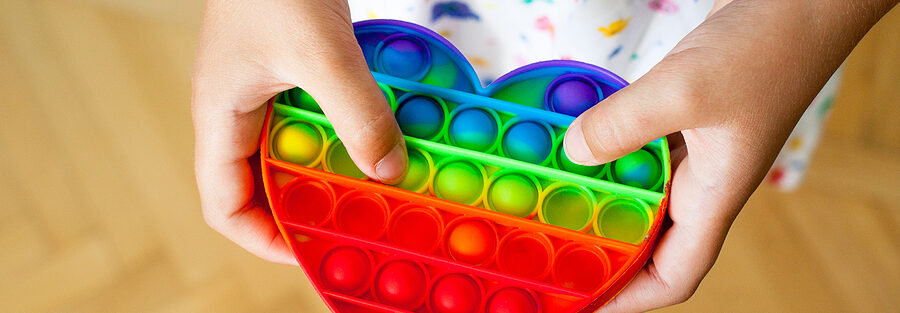
Finding the right gift for someone on the autism spectrum takes thought and care. Many people with autism have unique sensory needs and preferences that affect how they interact with toys and other items.
A gift that works well for one person might not suit another.
The best autism-friendly gifts provide sensory input, support development, and match the individual’s specific interests and needs. We focus on items that offer tactile feedback, visual appeal, or calming effects.
Some gifts help with focus and self-regulation, while others encourage learning through play.
We’ve gathered options that work across different age groups and sensory profiles.
Our list includes chewable items for oral input, building toys for hands-on learning, weighted products for calming pressure, and fidget tools for focus.
We also cover what to think about before buying and how to present gifts in ways that reduce stress.
1. LeeYean Chewable Jewelry
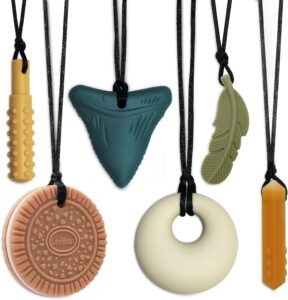
Leeyean makes stylish chewable jewelry that helps people manage anxiety, focus better, and meet sensory needs.
These products work well for kids and adults who need something safe to chew on throughout the day.
The jewelry comes in many forms. You can find chew necklaces, bracelets, and pendants in different styles and colors.
They look like regular accessories, which means people can wear them at school or work without drawing attention.
Each piece is made from food-grade silicone that’s safe for chewing. The material is durable enough to hold up to regular use.
Occupational therapists and special education teachers often recommend these products.
Leeyean items help with self-regulation and oral motor needs. They give people a safe alternative to chewing on clothes, fingers, or pencils.
The jewelry provides the sensory input some people need to stay calm and focused.
The wide range of designs means there’s something for different ages and preferences.
2. Solace Chewable Pencil Toppers
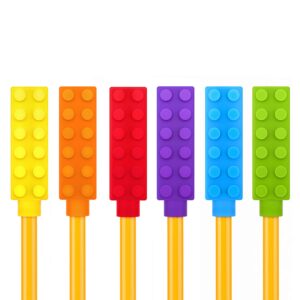
We like Solace Chewable Pencil Toppers because they help kids and adults who need to chew.
These pencil toppers fit on regular pencils and pens.
They give a safe place to chew instead of pencil erasers or other items.
The toppers are made from food-grade silicone. This material is safe and does not contain harmful chemicals.
The company tests them in labs to make sure they meet safety standards.
These pencil toppers work well at school or home.
They look like normal pencil accessories, so they don’t draw extra attention. This helps kids feel more comfortable using them in class.
Munchables offers these toppers for people with autism, ADHD, anxiety, and other sensory needs.
They help users stay calm and focused during schoolwork.
The company runs the business as a family and started it because their own children needed sensory items.
Each purchase comes with a 90-day guarantee. The toppers are lightweight and durable.
We find them useful for anyone age 3 and up who benefits from oral sensory input.
3. Squigz Building Toys
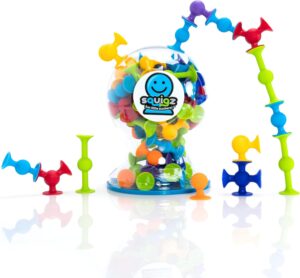
Squigz are silicone building toys that stick together using suction cups.
We appreciate how these pieces connect easily and pop apart with a satisfying sound.
The toys work on smooth surfaces like bathtubs, windows, and tabletops.
These toys help develop fine motor skills and spatial recognition.
The pieces are flexible and easy to grip, making them accessible for different ability levels.
Children can build in any direction they want.
We find Squigz particularly useful for sensory needs.
The tactile feedback from popping the pieces apart provides sensory stimulation.
The soft silicone material is pleasant to touch and manipulate.
The toys come in different set sizes, from starter sets with 24 pieces to larger collections with 75 pieces.
This gives us options based on budget and interest level.
Squigz work well for a wide age range, from toddlers to older children.
The open-ended nature of these toys encourages creative play.
There are no rules or wrong ways to build, which reduces frustration.
Children can experiment and play at their own pace.
4. Kinetic Sand Sensory Play Set
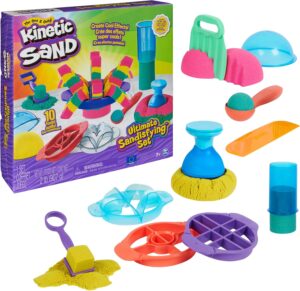
We recommend kinetic sand as a reliable sensory tool for autistic children and adults.
This moldable sand provides predictable tactile input that helps with self-regulation and anxiety reduction.
The sand offers proprioceptive feedback through resistance when squeezed or shaped.
This body awareness input can be calming and organizing for individuals with sensory processing differences.
Unlike regular sand, kinetic sand sticks to itself and stays contained during play.
Most sets include molds, tools, and play surfaces that encourage fine motor skill development.
The consistent texture provides a sensory experience without unexpected changes, which many autistic individuals find comforting.
The sand is non-toxic and doesn’t dry out, making it suitable for repeated use at home, school, or therapy settings.
Many sets come with storage cases to keep materials organized.
Some newer versions even change color in different water temperatures, adding visual interest to the tactile experience.
5. Weighted Lap Pad by Harkla
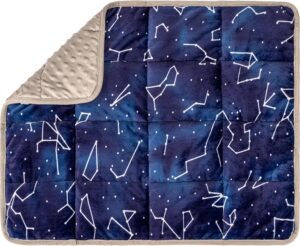
The Harkla Weighted Lap Pad provides deep pressure input that helps children with autism stay calm and focused.
We find it works well in different settings like home, school, or during car rides.
The pad uses soft minky fabric with double stitching for durability.
It can handle regular use without falling apart.
The gentle weight feels like a hug on a child’s lap.
This sensory tool helps kids relax when they feel overwhelmed or need to concentrate on tasks.
The pressure input can make it easier for children to sit still during activities that require attention.
Harkla offers the lap pad in different colors and weights.
We appreciate that it comes with a lifetime guarantee, which shows the company stands behind their product.
If something goes wrong with the pad, you can get help from the company.
The lap pad fits easily into a daily routine.
Kids can use it while doing homework, eating meals, or sitting in the classroom.
It’s simple to move from one place to another because of its size.
6. Shashibo Fidget Cube
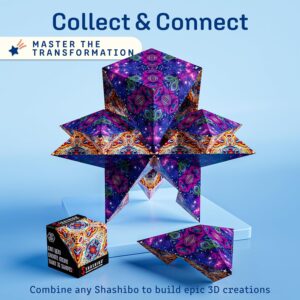
We appreciate the Shashibo Fidget Cube for its practical design and multiple sensory features.
This small handheld tool fits easily in a pocket or backpack, making it accessible whenever needed.
The cube offers different activities on each side.
Users can click buttons, flip switches, roll balls, and explore various textures.
These options help meet different sensory preferences and needs.
We find this fidget cube works well for both children and adults with autism.
It provides a quiet way to manage stress and anxiety without causing disruption in classrooms or other settings.
The tactile input helps many people focus better during conversations or tasks.
The durable construction means it can withstand regular use.
Shashibo designed this cube specifically to support people with ADHD, autism, and sensory processing needs.
Each feature serves a purpose for sensory regulation.
We recommend the Shashibo Fidget Cube as a reliable tool for anyone who benefits from fidgeting.
It offers variety in a compact format, which makes it more versatile than single-purpose fidget tools.
7. Melissa & Doug Magnetic Pattern Blocks
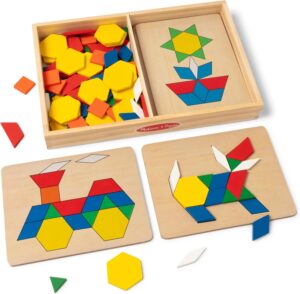
The Melissa & Doug Magnetic Pattern Block Set offers a hands-on way to work on visual learning and fine motor skills.
The set includes 120 magnetic wooden shapes in different colors and geometric designs.
These pieces stick to the wooden board, which makes them easier to handle than loose blocks.
We find this toy helpful for practicing color and shape recognition.
Kids can follow the included pattern cards that show different designs to recreate.
The cards start simple and get more complex, so children can work at their own pace.
The magnetic feature keeps pieces in place during play.
This reduces frustration when building patterns.
The set comes in a snap-top case with handles, making it easy to store and carry.
The board measures 14.5 by 12.5 inches and gives plenty of space for creating designs.
Kids ages 3 and up can use this set.
The wooden pieces are sturdy and built to last through regular use.
This toy works well for children who learn best through touch and visual input.
The clear shapes and bright colors provide sensory input without being overwhelming.
8. Melissa & Doug Rainbow Stacker Toy
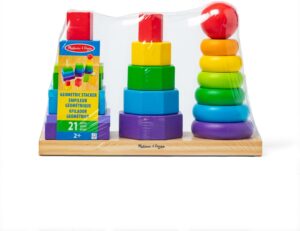
We recommend the Melissa & Doug Stacker for children who benefit from hands-on learning experiences. This wooden toy features two poles on a single base with 18 colorful pieces in star and blossom shapes.
The toy helps develop several important skills at once. Children practice color recognition as they sort the bright pieces.
They build motor skills by placing each piece on the poles. The stacking action also teaches hand-eye coordination.
This toy offers different ways to play. Kids can match shapes together or mix them up.
They can stack pieces by color or create their own patterns. This flexibility lets children play at their own pace and skill level.
The Melissa & Doug stacker is made from sustainable wood with child-safe finishes. It’s built to last through years of play.
The simple design means there are no batteries, sounds, or flashing lights that might cause sensory overload.
This toy works well for ages 12 months and up. Younger children focus on basic stacking while older kids explore more complex sorting and pattern-making activities.
Considerations When Choosing Autism Friendly Gifts
Picking the right gift means thinking about sensory needs, matching the person’s age and skills, and choosing items that help with communication and connection.
Sensory Sensitivities
Autistic people often process sensory input differently than neurotypical people. Some are hypersensitive and get overwhelmed by bright lights, loud sounds, or rough textures.
Others are hyposensitive and seek more sensory input through movement, pressure, or tactile exploration.
We need to avoid gifts with features that might cause distress. Skip items with flashing lights, sudden noises, or strong smells if the person is sensitive to these things.
Tags on clothing can feel painful, so tagless options work better.
Sensory-friendly features to look for:
- Soft, smooth fabrics
- Adjustable volume controls
- Matte finishes instead of shiny surfaces
- Predictable movements or sounds
- Heavy or weighted options for deep pressure
Fidget tools, weighted blankets, and noise-canceling headphones support sensory regulation. These items help manage sensory overload in daily life.
Age Appropriateness
The gift should match both the person’s chronological age and their developmental level. A teenager might enjoy toys typically marketed to younger children if those toys match their interests and skills.
We should avoid gifts that talk down to someone or assume they can’t handle complex activities.
Consider motor skills and cognitive abilities when selecting items. Someone with fine motor challenges might struggle with small puzzle pieces or tiny building blocks.
Choose gifts with larger pieces or tools designed for easier grip.
Key factors to evaluate:
- Current skill level
- Physical abilities and coordination
- Interests and passions
- Independence level
Supporting Communication and Social Skills
Gifts can create opportunities for interaction and skill building. Visual schedules, communication boards, and picture exchange systems help nonverbal or minimally verbal individuals express their needs.
These tools reduce frustration and increase independence.
Games and activities designed for turn-taking teach social skills in a structured way. Board games with clear rules, cooperative activities, and shared interests provide natural chances to practice communication.
We should look for items that encourage participation without forcing eye contact or physical touch if those things cause discomfort.
Books about emotions, social stories, and feelings cards help people understand and express what they’re experiencing. These resources work well for both children and adults learning to navigate social situations.
Tips for Gift Presentation and Delivery
How we present and deliver gifts can matter just as much as the gift itself for autistic individuals. Thoughtful wrapping choices and preparation for the unwrapping moment help create a positive experience.
Inclusive Wrapping Ideas
We recommend using wrapping materials that won’t trigger sensory sensitivities. Smooth, matte paper works better than shiny, crinkly wrapping that can be loud or overwhelming to touch.
Fabric gift bags or reusable cloth wraps offer a quieter alternative. Consider skipping tape entirely or using minimal amounts in predictable spots.
Some autistic people find the sticky texture unpleasant or struggle with the fine motor skills needed to remove it.
Sensory-friendly wrapping options:
- Plain kraft paper with soft ribbon
- Fabric drawstring bags
- Reusable tote bags
- Gift boxes with simple lids
- Clear cellophane for visual preview
We can also include a small picture card showing what’s inside. This helps reduce anxiety about the unknown and builds anticipation in a comfortable way.
Preparing for Unwrapping Experiences
We should let the recipient know a gift is coming ahead of time. Surprises can feel stressful rather than exciting for many autistic individuals.
A simple heads-up like “You’ll get a present at lunch tomorrow” provides helpful preparation time. Offer the gift in a calm, quiet space away from crowds or party chaos.
Bright lights, loud music, and many people watching can make opening gifts feel overwhelming.
Give the person full control over when and how they open the gift. Some people need time to examine the wrapping first.
Others might want help or prefer to open it later in private. We avoid rushing or insisting they open it immediately.
Frequently Asked Questions
Choosing the right gift depends on age, sensory preferences, and individual interests. Below are answers to common questions about selecting autism-friendly gifts for different age groups.
What are appropriate gift ideas for an autistic teenager?
Autistic teenagers often enjoy gifts that match their specific interests and provide sensory input they find comfortable. Chewable jewelry like LeeYean offers a discreet way to meet oral sensory needs while looking stylish.
Weighted items such as blankets or lap pads can help with focus during homework or relaxation time. Building sets and fidget tools work well for teens who like hands-on activities.
Consider their hobbies when selecting gifts. If they enjoy art, tactile art supplies like modeling clay or textured sketchbooks make good choices.
Can you suggest toys that are suitable for an autistic child around 5 years old?
Five-year-olds benefit from toys that engage their senses and support early learning. Kinetic Sand Sensory Play Sets provide tactile exploration without the mess of traditional sand.
Squigz Building Toys stick together with suction cups and help develop fine motor skills. Simple puzzles with large pieces work well at this age.
Toys with lights, sounds, or textures can be engaging, but we recommend checking if the child is sensitive to these features first. Look for durable options that can withstand repeated use.
What gifts are best suited for autistic young adults looking for unique and engaging experiences?
Young adults often appreciate gifts that support independence and personal interests. Weighted blankets help with sleep quality and relaxation.
Noise-canceling headphones provide relief in overstimulating environments. Subscription boxes related to their hobbies offer ongoing engagement.
Art supplies, cooking tools, or specialized equipment for their interests make practical gifts. Consider items that help with daily routines, like visual schedules or organizational tools.
Which toys are well-suited for a 10-year-old child with autism?
Ten-year-olds typically enjoy more complex building sets and STEM toys. Squigz Building Toys remain popular at this age because they challenge spatial reasoning.
Advanced kinetic sand sets with molds and tools add creative elements. Chewable pencil toppers like Solace help with focus during schoolwork.
Board games with clear rules provide social interaction opportunities. Look for toys that match their current skill level while offering room to grow.
What kind of presents would be beneficial for an autistic adult?
Autistic adults benefit from gifts that support comfort and self-regulation. Weighted lap pads help with focus during work or reading.
Tagless clothing and seamless socks address common sensory sensitivities. Items that support their routines make thoughtful gifts.
This includes planners, timers, or apps that help with organization. Gifts related to special interests show that you understand what matters to them.
Comfort items like soft blankets or fidget tools for the workplace are practical choices.
How can I choose a gift that will be supportive of sensory needs for children with autism?
Start by observing what sensory input the child seeks or avoids. Some children need oral input and benefit from chewable items like LeeYean jewelry or Solace pencil toppers.
Others seek tactile experiences and enjoy things like kinetic sand or textured toys. Weighted items like the Harkla Weighted Lap Pad provide deep pressure that many children find calming.
Avoid toys with loud sounds or flashing lights unless you know the child enjoys these features. Ask parents or caregivers about specific sensory preferences before purchasing.
Choose durable items that can handle frequent use.
Support the Adventure
To make your walls less boring, check out my photography portfolio and bring a piece of the wild and my story into your home.
If you’d like to fuel future adventures, you can donate a coffee on Ko-Fi. Every cup keeps me chasing sunrises and stories.
When you shop using my affiliate links, every click helps support this blog at no extra cost to you. It’s a small way to keep Unicorn Adventure alive and kicking while I keep exploring.
Subscribe to my mailing list for future updates, new stories, and behind-the-scenes adventures.
Stay connected with me on Instagram and Facebook for more photos and daily inspiration.
Thanks for being part of the journey, Unicorn Squadron!