

Introduction
Light seriously affects sleep quality. Even a tiny bit can make it harder to fall or stay asleep.
People with insomnia often have bedrooms that just aren’t dark enough. Street lights, glowing clocks, and the sunrise sneak in and mess with your body’s natural sleep cues.
Sleep masks and light blocking tools keep things dark, helping your brain make melatonin and stick to healthy sleep patterns. We’ve checked out everything from silky masks to weighted designs and even some fancy light therapy gadgets.
Each type has its own perks depending on what you want or need for sleep. Some work better for travel, others for sensitive skin, and so on.
Let’s go through the top sleep masks, how they help with insomnia, and some quick tips for getting the most out of them. Whether you’re a side sleeper, a night-shift worker, or just can’t block out city lights, you’ll find something useful here.
1. Manta Sleep Mask
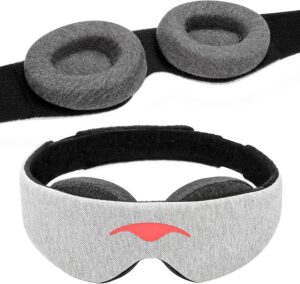
Manta Sleep Masks really stand out for their modular design and absolute light blocking. The company spent over ten years figuring out how to fix the usual problems with sleep masks.
The coolest feature are the adjustable eye cups. They sit around your eyes instead of pressing on them, so you can actually blink or open your eyes with the mask on. That feels way more natural than a flat mask.
Manta has different versions for different needs. The original Manta Sleep Mask is comfy and blocks light well.
The Manta Pro adds breathable fabric with tiny holes for airflow, plus non-slip zones to keep it from sliding if you sleep on your side.
If you want sound, Manta Sound has built-in Bluetooth speakers. You can play white noise or music right from the mask, so there’s no need for headphones.
The adjustable head strap lets you tweak the fit for your head. Each eye cup moves separately, so you can get them just right for your face shape.
2. Alaska Bear Natural Silk Sleep Mask
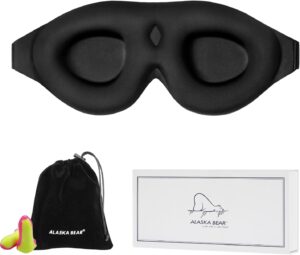
The Alaska Bear Natural Silk Sleep Mask is both effective and budget-friendly. It’s made from 100% natural mulberry silk on both sides, so it feels soft and stays cool all night.
This mask blocks out light completely with its wraparound design and flexible nose piece. Extra fabric around the edges helps stop light leaks.
The silk is breathable and gentle, which is great if your skin is sensitive. The adjustable strap has a covered buckle, making it more comfortable for back or side sleepers.
Alaska Bear started in 2015, aiming to help people with insomnia. Their masks use 19 momme silk, a quality and weight standard for silk.
This mask is a solid pick for shift workers who sleep during the day. It’s lightweight and easy to toss in a travel bag.
The price is reasonable, but you still get good quality. If you need total darkness, this one’s a smart choice.
3. Slip Silk Sleep Mask
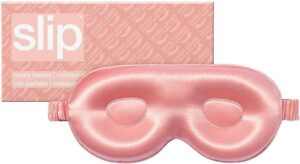
The Slip Silk Sleep Mask is a favorite for blocking light at night. It uses high-quality mulberry silk that feels smooth on your skin.
The silk reduces pressure on your face, and the fabric stays cool, which is a relief for hot sleepers.
The mask fits snugly without pulling your hair or leaving lines on your face. It blocks out light so you can stick to a natural sleep cycle even if your room isn’t totally dark.
Dermatologists often recommend silk masks like this because the material creates less friction, helping prevent sleep lines and irritation around your eyes.
The Slip mask works for home or travel. It’s lightweight and packs easily, and the design doesn’t feel too tight.
It does cost more than basic options, but the quality silk lasts if you hand wash it. With a little care, it stays effective for ages.
4. Tempur-Pedic Memory Foam Sleep Mask
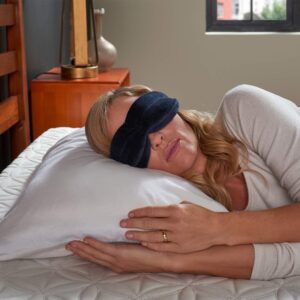
The Tempur-Pedic Sleep Mask uses the same memory foam as their mattresses and pillows. The high density foam molds to your face for a custom fit.
We found that it blocks light really well. The foam padding makes a seal around your eyes without pressing too hard, and it feels cool against your skin.
It comes in one size with an adjustable strap. Side sleepers like it because the foam compresses without making sore spots.
It’s pricier than basic masks, but the memory foam lasts longer than cheap padding.
This mask is great for people who need pitch black sleep, especially shift workers and travelers. The compact design fits easily in a carry-on.
You’ll need to hand wash it to keep the foam in good shape. Some folks might need a couple of nights to get used to the memory foam feel.
5. Nodpod Weighted Sleep Mask
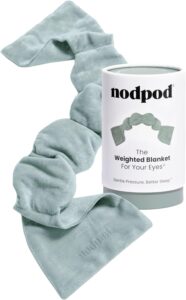
The Nodpod does things differently. It uses microbeads to add gentle weight over your eyes and forehead, like a mini weighted blanket.
The four-pod design spreads the pressure evenly. There aren’t any straps or Velcro, no annoying bands around your head.
It works for all sleeping positions. The ends are hollow, so side sleepers don’t have to worry about it shifting. Back sleepers say it stays put, too.
There are two fabric sides: cooling jersey cotton on one, warmer microfiber on the other. You can flip it depending on your mood or the weather.
You can even freeze the Nodpod before bed. It stays soft and flexible when cold, which is a relief for headaches or tired eyes.
The weighted pressure blocks light and feels calming. The company says 83% of users fall asleep faster with this mask.
6. Blissy 100% Mulberry Silk Mask
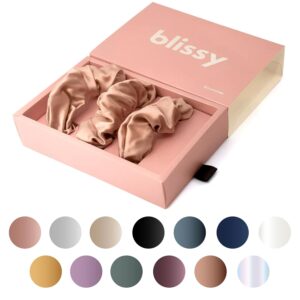
The Blissy mask uses 22-momme, 6A grade mulberry silk. It feels smooth and pretty luxurious on your skin.
It blocks light well. The silk keeps things breathable, and side sleepers don’t have issues with comfort.
The mask is free from harmful chemicals and has OEKO-TEX Standard 100 certification. That’s good for your skin and the environment.
Silk naturally resists allergens, so it’s a smart pick for sensitive skin. The smooth fabric doesn’t pull moisture from your skin or mess with your skincare routine.
You can machine wash the Blissy mask, which is a time-saver. There are several colors if you like options.
It blocks out streetlights and early sun, and the silk stays cool all night. If you want reliable darkness, this one’s a solid choice.
7. Drowsy Organic Cotton Sleep Mask
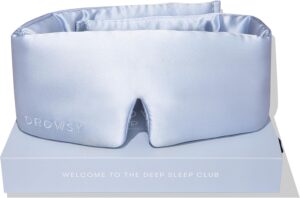
The Drowsy Organic Cotton Sleep Mask is all about sustainable materials and skin-friendly comfort. The organic cotton feels soft and stays breathable all night.
It blocks light by covering the eye area completely, but it’s still comfortable for side sleepers.
If you prefer natural materials or have sensitive skin, organic cotton is a great pick. It doesn’t trap heat like synthetics, so you stay cool.
Drowsy put thought into both comfort and function. The adjustable strap lets you get the fit just right, without pulling hair or leaving marks.
It works for travel or at home, blocking light from street lamps, sunrise, and electronics that might mess with your sleep.
If you want a natural, effective light blocker, this mask covers both bases. The organic cotton meets environmental standards and delivers the darkness you need.
How Sleep Masks and Light Blocking Tools Improve Insomnia
Light exposure directly shapes how easily we fall asleep and stay asleep. That’s why sleep masks and other light blockers help with insomnia.
The Science Behind Light and Sleep
Our eyes have special cells that detect light and send signals to the brain. When these cells sense light, they basically tell your brain to stay awake.
Even with your eyes closed, light can sneak through your eyelids and reach those cells. Artificial light, from streetlamps, phones, whatever, can mess with your sleep all night long.
Sleep masks block light from reaching your eyes. This darkness tells your brain, “Hey, it’s time to sleep.”
Research shows that blocking light helps people fall asleep faster and wake up less during the night.
Circadian Rhythm Regulation
Your circadian rhythm acts like your body’s internal clock, deciding when you feel tired or alert. This 24-hour cycle relies on light to stay in sync.
When light hits your eyes, it stops your body from making melatonin, the hormone that makes you sleepy. Blocking unwanted light lets your body produce melatonin at the right times.
Night shift workers or anyone sleeping during the day really benefit from this. Sleep masks help them keep melatonin levels on track, even with a weird schedule.
This leads to more consistent sleep patterns and better sleep quality overall.
Benefits for Sleep Quality
Sleep masks offer several real perks for people struggling with insomnia:
- Faster sleep onset: It’s easier to nod off in total darkness.
- Fewer nighttime awakenings: Blocking light keeps you from waking up whenever the environment changes.
- Longer sleep duration: Darkness helps you stay asleep longer.
- Deeper sleep stages: Steady darkness encourages more restorative sleep phases.
People using sleep masks often say they wake up feeling more rested. They notice less daytime fatigue and sharper focus.
Light-sensitive sleepers, in particular, seem to benefit the most. Sleep masks are simple, affordable, and easy to try before turning to medication.
Proper Care and Usage of Sleep Masks
Taking care of your sleep mask helps it last longer and keeps it clean. Getting the right fit makes sure you get all the light-blocking benefits for better sleep.
Washing and Maintenance Tips
Wash your sleep mask every 3-5 days to keep oils, bacteria, and dead skin from building up. Most silk or cotton masks work best when hand-washed with cool water and gentle detergent.
If you’ve got a silk mask, don’t wring or twist it. Just press out the water gently and lay it flat to dry, out of the sun.
Some synthetic masks can go in the washer, but always check the label first. Store your clean mask in a drawer or a breathable pouch between uses.
Don’t leave it in damp bathrooms, moisture can cause mildew. Plan to replace your mask every 6-12 months, or sooner if the elastic stretches out or the fabric wears thin.
If your mask has cooling gel inserts or other extras, take them out before washing unless the manufacturer says otherwise.
Fitting and Comfort Recommendations
The right fit keeps your mask in place all night without giving you a headache or leaving marks. Adjust the strap so the mask feels snug, but not tight.
You should be able to slip a finger between the strap and your head. If it pulls your hair or digs into your skin, loosen it up.
Make sure the mask covers your eyes fully, but doesn’t press on your eyelids or lashes. Side sleepers should look for masks with slim straps to avoid pressure spots.
Back sleepers might prefer adjustable straps to keep the mask centered. Try wearing the mask during the day first to find a comfortable fit.
Give yourself a few nights, maybe three to five, to get used to it before deciding if it’s right for you.
Frequently Asked Questions
People have lots of questions about sleep masks, fit, effectiveness, and which features matter most for different sleeping styles. Knowing what works for you helps you pick the best option.
What are the top-rated sleep masks for someone who sleeps on their side?
Side sleepers need masks that stay put without pressing into the pillow. The Manta Sleep Mask is a favorite because its adjustable eye cups don’t squish your face when you turn to the side.
The Alaska Bear Natural Silk Sleep Mask is another solid choice. Its silk fabric feels light and doesn’t add bulk between your face and the pillow. Contoured designs usually work better for side sleepers than flat masks.
Look for a mask with a secure, gentle strap that doesn’t shift when you move around at night.
Can sleep masks contribute to improving insomnia symptoms?
Sleep masks help with insomnia by blocking out light that messes with melatonin production. Melatonin’s the hormone your body uses to manage your sleep-wake cycle.
Even a little bit of light can throw off this process and make it tougher to fall or stay asleep. Research backs up that blocking light improves sleep quality for many folks.
If your bedroom has streetlights, early sun, or lights you can’t control, a sleep mask can make a big difference. It won’t cure insomnia by itself, but it removes one obstacle.
Which sleep masks provide the most effective light occlusion?
The Manta Sleep Mask blocks out light completely with its contoured eye cups that seal around each eye. That design stops light from leaking in around your nose or the sides.
The Tempur-Pedic Memory Foam Sleep Mask also does a great job, memory foam molds to your face and fills in gaps. Masks with multiple fabric layers block more light than single layer ones.
Material matters too. Silk masks like the Alaska Bear and Slip Silk look classy, but they might let some light through unless they have an extra layer.
Try your mask in a bright room before bed. Hold it against your face and check for any light sneaking in.
Are there any sleep masks that combine eye and ear coverage for better sleep?
The Brookstone Biosense 2-in-1 Sleep Mask comes with built-in headphones, so you get both light and sound blocking. You can play white noise, music, or meditation tracks without dealing with separate earbuds.
The speakers lie flat against your ears instead of sitting inside them, which feels way more comfortable. Some travelers and shift workers find these combo masks super handy.
The audio connects via Bluetooth to your phone or other device. Downside is that combo masks usually cost more, and you have to remember to charge them.
What are the benefits of using a sleeping eye mask for overall sleep quality?
Eye masks help you fall asleep faster by signaling to your brain that it’s time to rest. The darkness triggers melatonin release, making you feel drowsy.
This would happen naturally after sunset, but artificial light from screens or streetlamps gets in the way. Masks also help you stay asleep by blocking early morning light, super useful in summer or for night shift workers.
Consistent, uninterrupted sleep cycles support memory, mood, and health. Lots of people say they wake up feeling more refreshed when they use a sleep mask regularly.
Masks can even create a darker environment than blackout curtains alone, which is pretty impressive.
How does the MZOO Sleep Mask compare to the Alaska Bear Sleep Mask in terms of comfort and effectiveness?
The MZOO Sleep Mask comes with a contoured 3D design that keeps the fabric off your eyelids and lashes. You can actually blink or open your eyes without that annoying pressure some masks give.
Since the mask fits snugly around the nose bridge, it blocks out light better than those old-school flat masks. No weird gaps that let the sunrise in before you’re ready.
The Alaska Bear Sleep Mask takes a different approach. It uses natural silk, which feels smooth and cool on your skin. That lightweight, breathable fabric is really makes a difference if you tend to overheat at night.
But honestly, the flat design doesn’t block as much light. If you need pitch darkness, it might not cut it compared to the MZOO.
So, which is better? If you want total darkness, the MZOO steals the show. But if you crave that soft, luxurious feel and need something that won’t trap heat, the Alaska Bear feels like a little treat. It’s hard to pick a clear winner, depends what matters most to you.
Support the Adventure
To make your walls less boring, check out my photography portfolio and bring a piece of the wild and my story into your home.
If you’d like to fuel future adventures, you can donate a coffee on Ko-Fi. Every cup keeps me chasing sunrises and stories.
When you shop using my affiliate links, every click helps support this blog at no extra cost to you. It’s a small way to keep Unicorn Adventure alive and kicking while I keep exploring.
Subscribe to my mailing list for future updates, new stories, and behind-the-scenes adventures.
Stay connected with me on Instagram and Facebook for more photos and daily inspiration.
Thanks for being part of the journey, Unicorn Squadron!