

Hiking Gear Essentials I Never Hit the Trail Without
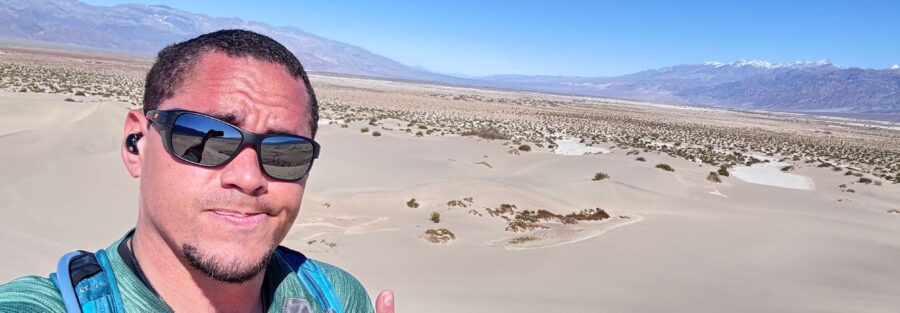
This is the gear that actually goes in my pack. Not a theoretical checklist. Not aspirational nonsense. This is what I carry on every hike, whether I’m hitting a local Wasatch trail or disappearing into the backcountry of the Sawtooths for days. Every item has earned its place through repeated use on trails across the American West. Canyons, deserts, snowfields, rocky scrambles, muddy messes. If it doesn’t perform, it gets cut.
I’m also autistic. My pack is a system. Every item has a dedicated pocket and a specific purpose. I don’t make gear decisions on the trail because decisions drain energy I need for navigation and photography. The pack is pre-loaded. Same items, same pockets, same routine. Reach for what I need and find it exactly where it belongs. That predictability lets me focus on the trail instead of managing my gear.
These are the hiking essentials I’d actually recommend because I actually carry them. Organized by how I use them on the trail. No gimmicks.
My Hiking Gear Essentials
The Packs That Do the Heavy Lifting
For short day hikes: I rock the Osprey Daylite Cummuter. It’s compact but holds everything I need including the all-important hydration bladder. Bonus: it’s super comfy and doesn’t rub my shoulders raw.
For longer hikes: That’s when I bust out the Gregory Zulu 30. This beast hauls it all without making my shoulders start crying. I’ve shoved rain gear, food, clothing layers, and camera gear in there, and it still carries like a dream.
The Footwear That Keeps Me Moving
Salomon X Ultra 4 Mid Gore-Tex Hiking Boots! My feet have taken me across canyons, snowfields, and sketchy rock scrambles. These are my go-to boots for gnarly terrain and long distances. Waterproof, breathable, and zero break-in time. I’ve worn these through rocky switchbacks and surprise creek crossings, and they’ve never let me down.
Keen Waterproof Sandals: For river crossings, beach trails, or just letting my feet breathe at basecamp. Surprisingly grippy and won’t get funky after a wet hike.
Also crucial: Darn Tough Vermont Wool Socks. They’re the gold standard. No blisters, no stink, no regrets.
 Shop Salomon X Ultra 4 Mid Gore-Tex Hiking Boots
Shop Darn Tough Vermont Wool Socks
Weather Beaters (AKA: Don’t Suffer Out There)
Patagonia Quandary Pants are a dream in cooler temps. Lightweight but tough enough for scrambles. When it heats up, I switch to the Quandary Shorts. Stretchy, breathable, and they dry fast if I take an unplanned dip.
Real Essentials Polyester Shirts keep me cool and wick away sweat like a champ. Cheap, effective, and I don’t care if they get wrecked.
Poshei Headbands are an absolute lifesaver. Keeps sweat out of my eyes and even adds sun protection in the desert.
SunBum SPF 50 is my holy grail sunscreen. No weird white cast, and it stays put even when I’m dripping sweat.
Shop Patagonia Quandary Shorts
Shop Real Essentials Polyester Shirts
Bugs, Brightness, and Trail Musts
Let’s talk essentials, the kind of stuff you forget once, and never again:
Sawyer Picaridin Bug Spray: DEET-free, doesn’t smell like death, and keeps the bugs off.
Black Diamond Spot 400 Headlamp: Powerful, reliable, and saves your ass when you miscalculate daylight.
Julbo Camino Sunglasses: Lightweight, polarized, and built to stay on your face even if you’re dripping sweat. Shoutout to my sister for gifting me my first pair. I’ll never buy anything else now.
And of course, Kahtoola Microspikes if there’s even a chance of ice or snow. These have saved me from some gnarly falls.
Shop Sawyer Picaridin Bug Spray
Shop Black Diamond Spot 400 Headlamp
Hydration: The No-Brainer That’s Easy to Mess Up
Dehydration hits fast on trail.
Cherainti Hydration Bladder: Carries up to 3 liters of water and makes hydration easy.
AllTrails Offline Maps: Not exactly gear, but a literal lifesaver. I always download before heading out, regardless if I think I’ll have cell service
Shop Cherainti Hydration Bladder
The Little Extras That Feel Like Cheat Codes
Traditional Medicinals Lozenges: I swear these soothe my dry throat better than anything. I pop one mid-hike or when the altitude messes with me.
Shop Traditional Medicinals Lozenges
How to Build Your Hiking Kit
Start with footwear and a pack. Those two decisions affect every hike. Get boots that fit your feet and a pack that carries your load comfortably. Everything else builds on that foundation. Add hydration, sun protection, and navigation next. Those cover safety. Then add comfort items like lozenges, sandals, and bug spray based on your specific conditions.
Assign every item a pocket in your pack. Same pocket every time. Headlamp always in the same place. Sunscreen always accessible. Sunglasses in the same spot. Don’t reorganize between trips. Consistency means you can find what you need without stopping, unloading, and searching. Test your full kit on short local hikes before committing to backcountry trips. You’ll discover what you actually reach for and what stays untouched.
Frequently Asked Questions
What’s the single most essential hiking item on this list?
The Salomon X Ultra 4 boots. Footwear affects every step of every hike. Bad boots create blisters, instability, and misery. These boots grip every terrain, keep feet dry, and require zero break-in. After boots, the Darn Tough socks and a hydration bladder. Everything else is important, but nothing matters if your feet hurt or you’re dehydrated.
Do I need both a day pack and a larger pack?
Not at first. Start with one versatile pack around 25 to 30 liters. The Gregory Zulu 30 handles everything from day hikes to overnights. Add a smaller day pack like the Osprey Daylite later when you want a lighter option for short local hikes where the larger pack is overkill.
Is this hiking kit good for someone with sensory sensitivities?
Yes. Every item has consistent, predictable behavior. The Salomon boots feel the same at mile 10 as mile 1. The Darn Tough socks have reliable cushioning without texture changes. Patagonia Quandary fabric stays consistent wet or dry. Sawyer Picaridin avoids DEET’s harsh smell and greasy feel. The entire system is designed around predictability and fixed organization so nothing surprises your sensory system on the trail.
Do I really need Microspikes if I don’t hike in winter?
In the American West, yes. Ice lingers on north-facing slopes and shaded sections well into spring and appears again in early fall. Even summer hikes at high elevation can encounter snow patches. Microspikes weigh almost nothing and pack small. Carry them as insurance on any hike where conditions are uncertain. One icy patch on a steep descent is all it takes.
Is AllTrails worth paying for?
For offline maps alone, yes. If you hike in areas without cell service, which is most of the American West, offline maps are a safety requirement. AllTrails also provides trail reviews, difficulty ratings, and real-time condition reports from other hikers. The free version works for basic trail discovery. The paid version adds the offline maps that make it a navigation tool.
Carry What Works. Leave the Rest.
Every item on this list has been on trails with me across the American West. Deserts, forests, mountains, snowfields. They’ve been tested in heat, cold, rain, and wind. The items that didn’t perform got cut. What’s left is a system that works every time I step onto a trail.
The best hiking kit is the one you trust, know by heart, and never have to think about. This is mine.
Support the Adventure
To make your walls less boring, check out my photography portfolio and bring a piece of the wild and my story into your home.
If you’d like to fuel future adventures, you can donate a coffee on Ko-Fi. Every cup keeps me chasing sunrises and stories.
When you shop using my affiliate links, every click helps support this blog at no extra cost to you. It’s a small way to keep Unicorn Adventure alive and kicking while I keep exploring.
Subscribe to my mailing list for future updates, new stories, and behind-the-scenes adventures.
Stay connected with me on Instagram and TikTok for more photos and daily inspiration.
Thanks for being part of the journey, Unicorn Squadron!
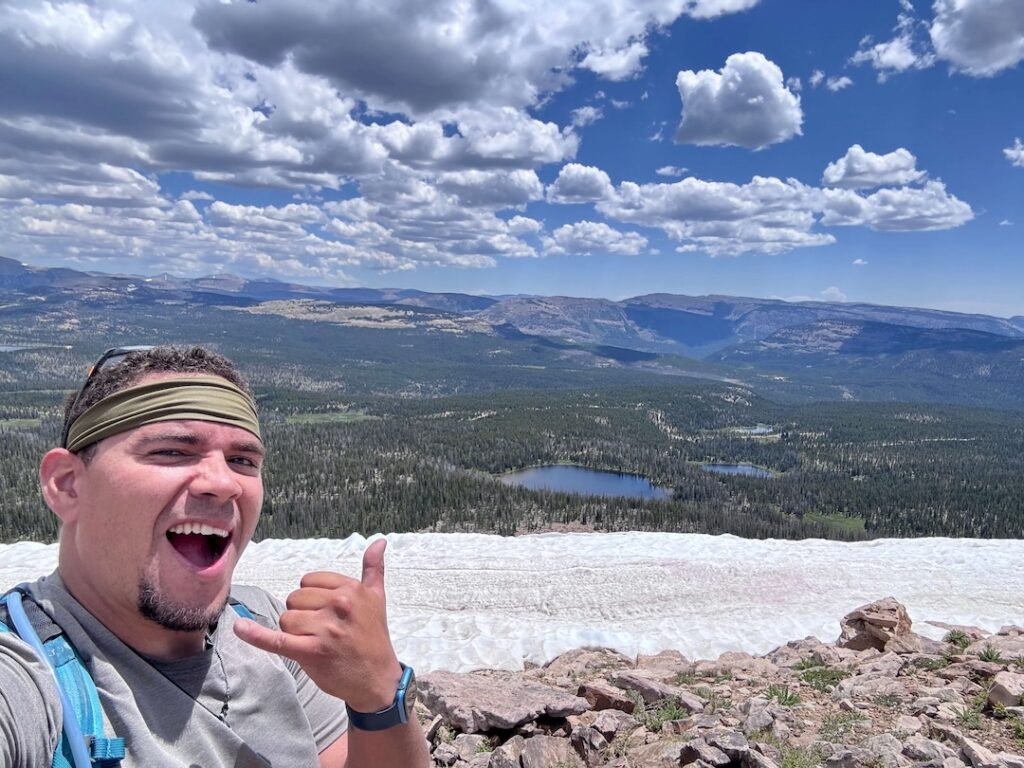
Theo Maynard is a landscape photographer and adventure blogger based in Salt Lake City. He chases remote desert and mountain light across the American West, documents it all solo, and shares the journey through Unicorn Adventure. He’s on the autism spectrum, and that’s not a footnote, it’s the whole story. He creates to inspire others to get outside, chase what lights them up, and live their best possible life. Unapologetically himself.