

The Best Hiking Backpacks for Every Trail Adventure
Your backpack is the most important decision you make before the trail. It carries everything. Water. Snacks. Layers. Camera gear. Safety equipment. If it doesn’t distribute weight properly, nothing else matters because you’ll be in pain by mile three. I hike solo across the American West with a loaded camera pack, and the right backpack makes the difference between a productive day and a miserable one.
I’m also autistic. Pressure points, hot spots, and unpredictable fit behavior compound over a long day. I need a pack that feels consistent from hour one to hour eight. If straps loosen, buckles shift, or weight distribution changes mid-hike, it creates friction that my nervous system amplifies.
These are the hiking backpacks I’d actually recommend. Tested on real trails. No gimmicks.
The Best Hiking Backpacks
1. TETON Sports Oasis Hydration Pack, Organized Day Hiking With Built-In Water
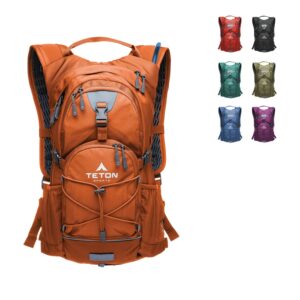
The TETON Sports Oasis Hydration Pack has multiple pockets and compartments, padded straps with breathable mesh, an included water bladder, rain cover, and emergency whistle. 18L capacity.
Shoulder straps spread weight nicely. The mesh back panel keeps air moving on warm trail days. Organization is where this pack shines. Front pocket for snacks, mesh sides for phone and keys, main compartment still has room for a windbreaker. The hydration system works smoothly with no kinks in the tube. Rain cover kept everything dry during surprise showers in the Wasatch. Some stitching on the side straps started coming loose after moderate use. The 18L feels tight for longer hikes, so consider the 22L if you carry more. Bladder opening is narrow, making cleaning and ice a hassle. For organized day hiking at a reasonable price, this covers the basics.
2. Maelstrom 40L Hiking Backpack, Budget Weekend Storage That Breathes
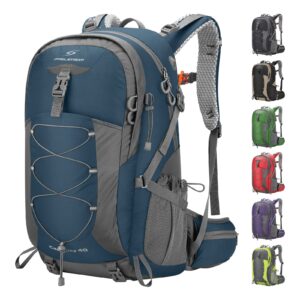
The Maelstrom 40L Hiking Backpack has a spacious main compartment, built-in rain cover, chest strap with emergency whistle, reflective strips, and a breathable back panel.
The main compartment swallows everything for a weekend trip, and extra pockets keep things organized. Shoulder straps stay comfortable even when full. The chest strap whistle is a nice emergency touch. Back panel breathes well so I don’t end up drenched on climbs. But back support gets wobbly under heavy loads. Frame isn’t as sturdy as pricier packs. Some zippers caught on fabric. Rain cover does its job and tucks away neatly. For weekend trips through Kodachrome Basin or trails around Bryce Canyon where you need storage but not expedition-grade support, this delivers for the price.
3. Loowoko 50L Hiking Backpack, Maximum Space at Minimum Weight
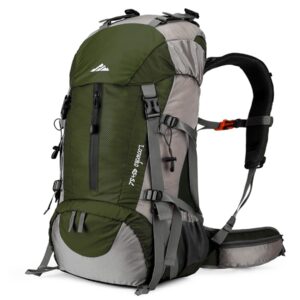
The Loowoko 50L Hiking Backpack is 50 liters at just 2.1 pounds. Waterproof rain cover included. Multiple compartments.
The space-to-weight ratio is impressive. At 2.1 pounds for 50 liters, it barely adds to your carry weight. Shoulder straps feel fine for shorter hikes and lighter loads. Rain cover saved my gear during a sudden downpour. Zippers held up over months of use. No internal frame means it’s not comfortable with heavy loads. Weight distribution suffers when packed full. Shoulders ached after a few hours with a full load. Hip belt feels fragile under pressure. Not for serious backcountry or multi-day trips. But for day hikes and light overnights where you need lots of room at low weight, this is a solid starter pack.
4. Maelstrom 40L Waterproof Hiking Backpack, Lightweight With Smart Pocket Layout
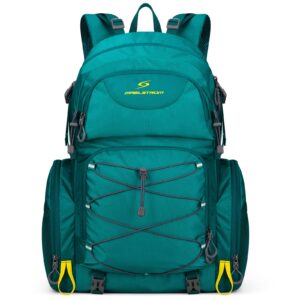
The Maelstrom 40L Waterproof Hiking Backpack is extremely lightweight with waist pockets, mesh side pockets, a hydration system port, whistle buckle, and airline carry-on compatible sizing.
Main compartment holds a surprising amount while feeling light on my back. Pocket layout is the standout. Waist pockets for snacks, mesh sides for bottles, hydration port for on-the-go drinking. Comfort held up during long, sweaty days. Back panel breathes better than expected. Whistle buckle is clever. Pack doubles as travel luggage since it fits most airline carry-on rules. Rain cover feels thin. Shoulder straps could use more padding for heavy loads. Bottom straps sometimes slip when securing a sleeping pad. But for a lightweight, versatile pack that works for both hiking and travel, this is smart gear.
5. N NEVO RHINO Lightweight Hydration Pack, Budget Hydration for Casual Trails
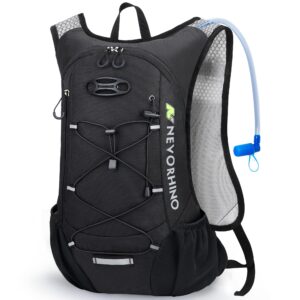
The N NEVO RHINO Lightweight Hydration Pack weighs just 8.5 ounces with a 2-liter bladder compartment, several storage pockets, adjustable chest and waist straps, and a mesh back panel.
The 2-liter bladder fit in the main compartment with space left for snacks and a thin jacket. Storage layout keeps small stuff organized. Shoulder strap phone pocket made quick photo ops easy on trails around the Wasatch. Front compartments held energy bars and a mini first aid kit without becoming a jumbled mess. Mesh back panel cut down on sweat during hot climbs. Chest and waist straps adjusted in seconds and the pack stayed put over rocky stretches. Water bladder feels a bit cheap and some people report leaking. Bite valve can be flimsy. Design is more functional than stylish. But for budget hydration that covers the essentials, this removes the financial barrier to getting out there.
6. SKYSPER 20L Hiking Daypack, Light and Affordable for Short Trail Days
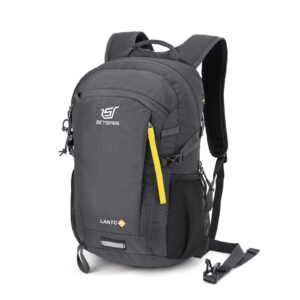
The SKYSPER 20L Hiking Daypack weighs just over a pound with chest and waist straps, breathable back panel, side trekking pole loops, and multiple pockets.
Chest and waist straps do a nice job spreading weight. Back panel breathes well. It stores everything for a typical day: snacks, water, first aid, and an extra layer or two. Side loops hold trekking poles securely, which is a small but important touch for anyone who uses poles on trails like the Navajo Loop in Bryce or Donut Falls in the Wasatch. Lots of adjustment straps help it fit different bodies. Water resistance is just okay. Not built for heavy rain. Build quality is fine but don’t expect it to outlast premium brands. 20 liters limits you to day trips. But for the price, it’s great value for casual hikes and short outings.
7. IGOLUMON 40L Packable Hiking Backpack, Foldable Storage That Disappears in Your Suitcase
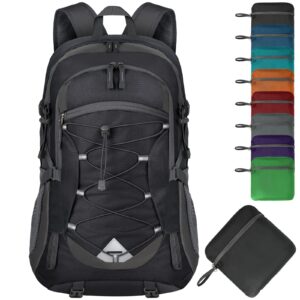
The IGOLUMON 40L Packable Hiking Backpack folds into its own pocket. 40 liters. One pound. Wet pocket for damp gear. Chest strap with whistle. Side water bottle pockets.
Main compartment opens wide for easy packing and finding things. The foldable design is the selling point. After hiking, I stuffed it into its own pocket and tossed it in my suitcase. The wet pocket on the back was clutch for stashing sweaty shirts after desert hikes. Side pockets hold water bottles snugly. Chest strap whistle adds emergency utility. After about four hours with a full load, shoulder straps started digging in. Zippers need wiggling when really packed tight. Handles light rain but not a downpour. But for a packable 40-liter bag at one pound, this is ideal for travel hikers who need a day pack that doesn’t exist until they need it.
8. BECOJADDE 15L Foldable Hiking Daypack, Ultralight Essentials for Short Outings
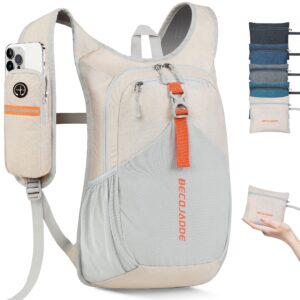
The BECOJADDE 15L Foldable Hiking Daypack folds into its own pocket at under 11 ounces. Phone pocket on left strap. Drawstring pocket on right strap. Multiple storage compartments.
The strap system is the highlight. Phone pocket on the left strap makes grabbing for photos easy. Right strap drawstring pocket is handy for bars and small items. Main compartment fits a water bladder and lunch. Front mesh pocket and side pockets hold maps and bottles. At 15 liters, storage is limited to essentials only. Fabric feels thin. Some seam stress when stuffed full. Weight and packability are the trade-offs for durability. But for short hikes where I just need water, snacks, and camera gear, and want the pack to disappear into Estes when I’m done, this weighs nothing and takes up no space. Perfect for spontaneous trail stops during road trips.
How to Choose a Hiking Backpack
Capacity determines what you can carry. 15 to 25 liters for day hikes. 30 to 50 liters for weekends. 50-plus for multi-day trips. Don’t buy more capacity than you need because empty space shifts weight unpredictably.
Fit matters more than brand. Torso length, hip belt, and shoulder straps need to work for your body. A pack that distributes weight to your hips instead of your shoulders saves your back on long days. Ventilation prevents sweat buildup. For anyone with sensory sensitivities, try the pack on loaded before committing. Pressure points and hot spots that seem minor in the store become unbearable at mile six.
Frequently Asked Questions
What’s the single best hiking backpack on this list?
Depends on your use case. For organized day hikes, the TETON Sports hydration pack. For weekend trips, either Maelstrom 40L. For maximum space at minimum weight, the Loowoko 50L. For packable travel use, the IGOLUMON 40L. For ultralight short outings, the BECOJADDE 15L.
How much should a hiking backpack weigh?
For day packs, under two pounds is ideal. For weekend packs, three to four pounds is reasonable. The pack itself should never be more than about 10 percent of your total carried weight. Every ounce matters on long days.
Are any of these good for someone with sensory sensitivities?
The TETON Sports has breathable mesh that prevents heat buildup. Both Maelstrom packs have padded straps that distribute pressure evenly. The SKYSPER has adjustable straps that help customize fit to avoid pressure points. For anyone who experiences discomfort from pressure, load the pack at home and wear it for 30 minutes before hitting the trail.
The Right Pack Makes Every Mile Better
Your backpack is the foundation of every hike. The right one distributes weight, organizes gear, and disappears on your back so you can focus on the trail. Every pack on this list has been tested on real terrain across the American West.
The best hiking backpacks are the ones that get packed on every trip. These
Support the Adventure
To make your walls less boring, check out my photography portfolio and bring a piece of the wild and my story into your home.
If you’d like to fuel future adventures, you can donate a coffee on Ko-Fi. Every cup keeps me chasing sunrises and stories.
When you shop using my affiliate links, every click helps support this blog at no extra cost to you. It’s a small way to keep Unicorn Adventure alive and kicking while I keep exploring.
Subscribe to my mailing list for future updates, new stories, and behind-the-scenes adventures.
Stay connected with me on Instagram and TikTok for more photos and daily inspiration.
Thanks for being part of the journey, Unicorn Squadron!
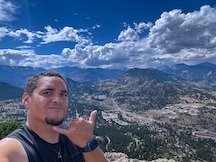
Theo Maynard is a landscape photographer and adventure blogger based in Salt Lake City. He chases remote desert and mountain light across the American West, documents it all solo, and shares the journey through Unicorn Adventure. He’s on the autism spectrum, and that’s not a footnote, it’s the whole story. He creates to inspire others to get outside, chase what lights them up, and live their best possible life. Unapologetically himself.