

The Best Hiking Gloves for Every Season and Every Trail
My hands do a lot on the trail. Grip trekking poles on steep descents down Navajo Loop in Bryce Canyon. Adjust camera settings in predawn cold at Mesa Arch. Scramble over rocks in Chesler Park. Zip jackets in wind on exposed ridgelines in the Uintas. My hands need to stay warm enough to function and dexterous enough to operate gear. The wrong gloves make my hands either cold and useless or warm and clumsy. Neither works.
I’m also autistic. Fabric against my hands matters intensely. Seams that bunch between fingers. Material that feels different when wet. Gloves that compress my fingers too tightly or leave awkward gaps between the thumb and index finger. These sensory inputs don’t fade into the background for me. They stay in the foreground and consume attention I need for navigation and photography. I need gloves that feel consistent, fit predictably, and don’t change character when conditions change.
These are the hiking gloves I’d actually recommend. Liners, winter gloves, fingerless options, and warm-weather protection. Tested in real conditions. No gimmicks.
The Best Hiking Gloves
1. New Balance Lightweight Running Gloves, Cool-Weather Liner With Touchscreen
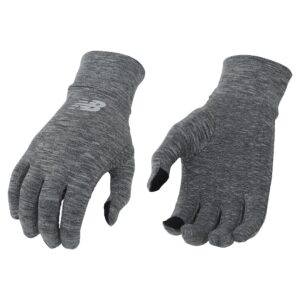
The New Balance Lightweight Running Gloves are lightweight liner gloves with touchscreen-compatible thumb and index finger. Anti-slip palms. Soft fabric with wind blocking.
My pick for cool-weather hiking when you want a little warmth without losing hand function. The fabric is soft and blocks wind surprisingly well for how thin it is. Touchscreen works on both thumb and index finger, which is rare and actually functional. I snapped photos and checked GPS maps on my phone without removing them. Anti-slip palm patches help grip trekking poles on steeper terrain. True to size. Snug but not tight. Machine washable and air dry without issues. I’d use these on autumn hikes through Kodachrome Basin and cool spring mornings in the Wasatch. The tradeoff is warmth. Below 35 degrees, my fingers got cold fast. These are not winter gloves. They’re cool-weather liners or standalone gloves for the 35 to 50 degree range. Some stitching loosened after regular use. But for three-season mild-cold hiking with full touchscreen function, these are the most practical option on this list.
2. Under Armour Storm Liner Gloves, Layering Base With Best Touchscreen
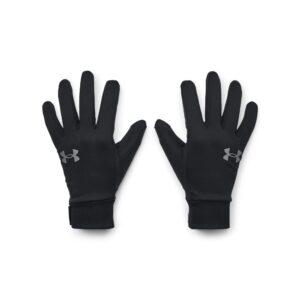
The Under Armour Storm Liner Gloves are thin liner gloves with touchscreen capability. Fleece thumb patch for wiping sweat or glasses. Designed to layer under heavier gloves. Water-resistant but not waterproof.
Best touchscreen function of any glove on this list. Phone and GPS work perfectly with these on. The primary use is layering under heavier winter gloves. They slide underneath without making your hands feel stuffed. Thin enough for standalone use on mild days. The fleece thumb patch is genuinely useful for wiping foggy glasses or sweat off your face mid-hike. Breathable fabric dries quickly. The tradeoff is weather protection. Water soaked through in heavy rain. They dried out fast but my hands were already wet by then. Not waterproof despite the Storm branding. Run small, so size up if you have larger hands. Fit can feel tight and restrict circulation. For layering under winter gloves on cold Uintas hikes or standalone use on mild Wasatch trails, these deliver the best touchscreen experience. Just don’t trust them in rain.
3. SUJAYU Full Finger Hiking Gloves, Budget Warm-Weather Hand Protection
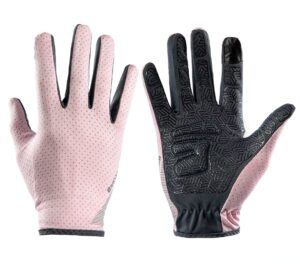
The SUJAYU Full Finger Hiking Gloves are lightweight full-finger gloves with touchscreen fingertips, silicone grip dots, and UV protection. Budget priced.
Budget warm-weather gloves for easy day hikes. Thin material keeps hands cool in heat while providing UV protection and basic grip. Silicone dots help with trekking pole hold. Touchscreen fingertips work for photos and map checks. For gentle trails like Donut Falls or moderate Wasatch day hikes in summer, these cover the basics without spending much. The tradeoff is durability. Thin material tears on rock scrambles and rough brush. Wear appeared after just a couple of tough outings. Sizing runs small. Go up a size for a comfortable fit. These aren’t built for gnarly terrain or cold weather. They’re built for warm days on easy trails where you want sun protection and basic grip without spending real money. Treat them as disposable for the price and they’ll serve their purpose.
4. OZERO Winter Touchscreen Gloves, Light Winter Option With Water Resistance
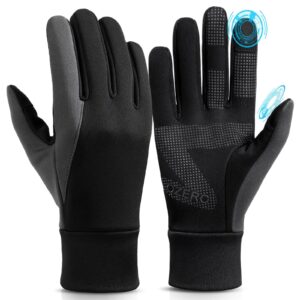
The OZERO Winter Touchscreen Gloves are fleece-lined winter gloves with touchscreen capability, silicone grip dots, and water-resistant outer fabric.
The winter option on this list, though calling them true winter gloves is generous. Fleece lining provides cozy warmth above freezing. Touchscreen function works better than most winter gloves. Silicone grip dots hold poles and gear securely. Water-resistant outer fabric handled light rain and snow for about an hour before seams started leaking. Snug fit without being too tight. I’d use these for fall and early winter hikes in the Wasatch and lower-elevation Uintas when temperatures hover between 32 and 45 degrees. The tradeoff is real cold performance. Below freezing, my fingers got cold. The water resistance fails at the seams under sustained wet conditions. Fingertip material wore out after a few months of regular use. For the light winter gap between liner gloves and serious insulated winter gloves, these fill a niche. Don’t expect them to handle deep cold or sustained rain.
5. HYCOPROT Fingerless Tactical Gloves, Grip and Dexterity With Exposed Fingertips
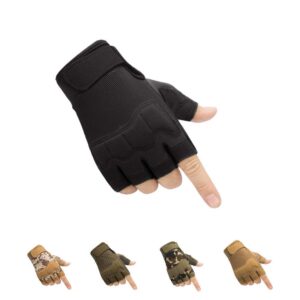
The HYCOPROT Fingerless Tactical Gloves are fingerless gloves with padded palms, knitted nylon construction, Velcro wrist closure, and quick-release finger tabs.
Fingerless design means full dexterity for camera operation, phone use, and fine motor tasks. Padded palms prevent blisters and cushion grip on trekking poles and rough rock. Knitted nylon lets sweat escape so hands don’t get swampy. Quick-release finger tabs make removal fast when you need bare hands. I’d consider these for warm-weather photography hikes where I’m constantly adjusting camera settings with bare fingertips but want palm protection and grip support. The tradeoff is obvious. No finger coverage means cold fingers in any temperature below mild. Velcro wrist closure can snag on jacket sleeves and pack straps. Not built for serious abuse on rough scrambles. For the specific use case of warm-weather hiking where you need maximum dexterity plus palm protection, fingerless gloves fill a role that full-finger gloves can’t.
6. SIMARI Winter Gloves, Light Touchscreen Gloves With Reflective Visibility
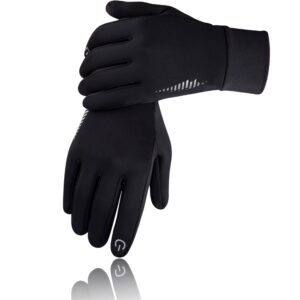
The SIMARI Winter Gloves are light winter gloves with touchscreen capability, silicone grip patches, and reflective patterns for visibility on early morning hikes.
Touchscreen works perfectly. Silicone grip patches provide solid hold on poles and gear. Reflective patterns on the back improve visibility during predawn starts at trailheads, which matters when I’m walking from parking areas in the dark at 5 AM before sunrise shoots. The sensory fit is where these have issues. Sizing runs small. Fabric between thumb and index finger felt loose while the fingers felt snug, creating an inconsistent pressure pattern that distracted me. That uneven fit is the kind of sensory variable that stays in the foreground for me. Warmth drops off fast below 40 degrees. Too thin for real winter hiking. For cool-weather hikes in the 40 to 55 degree range where you want touchscreen access, good grip, and early-morning visibility, these work. Just be aware of the inconsistent fit and limited warmth range.
How to Choose Hiking Gloves
Match gloves to temperature range. Lightweight liners for 35 to 50 degrees. Light winter gloves for 25 to 40 degrees. Serious insulated gloves for below 25 degrees. Fingerless for warm weather when you need palm protection and dexterity. None of the gloves on this list handle deep winter cold. For serious winter hiking in the Uintas and Wasatch below freezing, you need heavier insulated gloves than what’s reviewed here.
Touchscreen function matters if you use your phone for GPS and photography, which I do on every hike. Test touchscreen gloves in the store before buying because quality varies wildly. Fit should be snug but not restrictive. Too tight cuts circulation and makes fingers cold faster. Too loose reduces dexterity. Material matters for sensory comfort. Synthetic dries fast. Wool stays warm when damp. Avoid gloves with raised internal seams that create pressure points between fingers.
Frequently Asked Questions
What’s the single best hiking glove on this list?
The New Balance Lightweight Running Gloves for cool-weather versatility. Best combination of touchscreen function, grip, comfort, and practical warmth in the 35 to 50 degree range. For layering under winter gloves, the Under Armour Storm Liners. For warm-weather dexterity, the HYCOPROT Fingerless.
Do I need different gloves for different seasons?
Yes. No single glove handles all conditions. Lightweight liners for cool weather. Light winter gloves for fall and early winter. Fingerless for warm weather. Serious insulated gloves for deep cold, which aren’t on this list. I carry at least two pairs in Estes during shoulder seasons when morning and afternoon temperatures differ by 30 degrees.
Which gloves are best for someone with sensory sensitivities?
The New Balance liners have the most consistent feel. Smooth interior, snug fit, no awkward seam placement. Avoid the SIMARI due to inconsistent pressure between thumb and fingers. Avoid any glove that changes texture when wet. Test fit carefully because tight fingers increase sensory awareness of the fabric rather than letting it fade into the background.
Can I use my phone with gloves on?
Yes, with the right gloves. The Under Armour Storm Liners have the best touchscreen function on this list. The New Balance and SIMARI also work well. Touchscreen quality varies between brands and even between manufacturing batches. Test before relying on them for GPS navigation on a serious hike.
Are budget hiking gloves worth it?
For mild conditions and easy trails, yes. The SUJAYU and SIMARI cost very little and handle basic warmth and grip. For serious conditions, cold weather, wet weather, or rough terrain, invest in quality. Budget gloves fail faster and provide less protection when it matters most. Don’t trust cheap gloves on a winter hike where cold fingers have real consequences.
Your Hands Do Everything on the Trail
Grip poles. Adjust cameras. Check GPS. Zip jackets. Scramble over rock. Your hands are involved in every task on every hike. Cold or clumsy hands slow everything down. Every glove on this list has been evaluated for warmth, dexterity, touchscreen function, grip, and sensory comfort across real trail conditions.
The best hiking gloves are the ones that disappear on your hands. You forget they’re there because they just work.
Support the Adventure
To make your walls less boring, check out my photography portfolio and bring a piece of the wild and my story into your home.
If you’d like to fuel future adventures, you can donate a coffee on Ko-Fi. Every cup keeps me chasing sunrises and stories.
When you shop using my affiliate links, every click helps support this blog at no extra cost to you. It’s a small way to keep Unicorn Adventure alive and kicking while I keep exploring.
Subscribe to my mailing list for future updates, new stories, and behind-the-scenes adventures.
Stay connected with me on Instagram and TikTok for more photos and daily inspiration.
Thanks for being part of the journey, Unicorn Squadron!

Theo Maynard is a landscape photographer and adventure blogger based in Salt Lake City. He chases remote desert and mountain light across the American West, documents it all solo, and shares the journey through Unicorn Adventure. He’s on the autism spectrum, and that’s not a footnote, it’s the whole story. He creates to inspire others to get outside, chase what lights them up, and live their best possible life. Unapologetically himself.