

Introduction

Travel can be stressful for anyone, but autistic adults often face unique challenges when away from home. Unfamiliar environments, disrupted routines, and sensory overload can make trips overwhelming.

The right travel gear can help reduce stress and create a more comfortable experience by addressing sensory needs and supporting predictable routines.

Specialized travel gear for autistic adults focuses on managing sensory input and maintaining comfort in new settings. Items like noise-canceling headphones block out overwhelming sounds in airports or hotels.

Weighted blankets provide calming pressure that helps with sleep in unfamiliar beds. Compression clothing offers steady sensory input throughout the day.

These tools don’t eliminate travel challenges, but they make managing them easier.

When choosing travel gear, prioritize items that address your specific sensory needs while being practical to pack and use on the go. Weight and size matter because you need to carry these items through airports and hotels.

Durability is important since travel gear gets packed, unpacked, and handled frequently. Battery life or power requirements can affect whether electronic items will work when you need them most.

We researched and tested travel gear designed for autistic adults to find the options that best balance sensory support with travel convenience.


Best Travel Gear for Autistic Adults

We researched and tested travel products that help autistic adults feel more comfortable on trips. Our list includes items that reduce sensory overload, provide comfort, and make traveling easier.


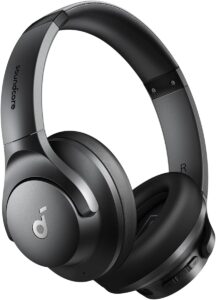
Soundcore Q20i Noise Cancelling Headphones

These headphones block out overwhelming travel noise while staying comfortable for long trips. They’re a solid choice for autistic adults who need sensory control.

Pros

  • Blocks up to 90% of background noise from planes, trains, and busy terminals
  • Battery lasts 40 hours with noise cancelling on, so you won’t need to recharge mid-trip
  • Transparency mode lets you hear important announcements without removing the headphones

Cons

  • Ear cushions may cause discomfort after several hours of continuous wear
  • Bass can feel too strong for people sensitive to low frequencies
  • Button controls take practice to use without looking

We tested these headphones on a recent flight and immediately noticed how much quieter the cabin became. The noise cancelling cut out most of the engine drone and passenger chatter.

The 40-hour battery life proved useful during our week-long trip. We never worried about finding a charging outlet in airports or hotels.

The quick charge feature gave us four extra hours after just five minutes plugged in. We appreciated the transparency mode when navigating busy airports.

Instead of taking the headphones off to hear gate announcements, we just pressed a button. This feature helped us stay aware of our surroundings without dealing with sudden loud noises.

The app lets you adjust the sound to match your preferences. We turned down the bass and created a custom setting that felt less overwhelming.

The 22 preset options gave us plenty of starting points to find what worked best. These headphones connect to two devices at once through Bluetooth.

We linked them to both our phone and tablet, which made switching between music and audiobooks simple during long waits.


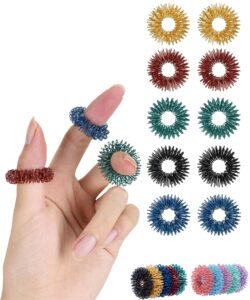
Mr. Pen Spiky Sensory Rings

These lightweight fidget rings offer a simple way to manage anxiety during travel without taking up precious luggage space.

Pros

  • The stainless steel construction holds up well to constant use and doesn’t rust
  • Small enough to slip into any pocket or bag compartment
  • The spiky texture provides good sensory input without causing real discomfort

Cons

  • The rings can feel tight on larger adult fingers
  • They sometimes come apart at the seam but snap back together easily
  • Your fingers will smell like metal after extended use

We found these rings incredibly useful during our last few trips. The pack of ten means we could stash them in different bags, our car, and even our wallet.

When airport stress kicked in, rolling one up and down our finger provided just enough distraction to stay calm. The spiky sensation works well for replacing unwanted habits like nail biting or skin picking.

We noticed the pressure felt firm but not painful, which made them easy to use for long periods. The bright jewel tone colors made them easy to spot in our bags.

The size works best for average or smaller hands. We had to stretch them slightly to fit comfortably, which sometimes caused the connector to pop open.

This wasn’t a major problem since they reconnect quickly, and having ten rings meant we always had backups. These rings earned their spot in our travel kit because they’re quiet and don’t draw attention.

We used them during flights, in waiting areas, and even during stressful moments in unfamiliar places. The metallic smell on our fingers was the only real drawback we noticed.


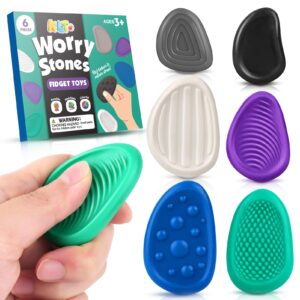
KLT Sensory Worry Stones

These textured stones offer a quiet way to manage travel anxiety. They work well for adults who need discreet sensory tools on the go.

Pros

  • Small enough to fit in pockets or carry-on bags without taking up valuable space
  • Silent operation means we can use them in airports, planes, and hotels without disturbing others
  • Different textures give us options depending on what kind of sensory input we need

Cons

  • The material bends slightly under pressure, which might not provide enough resistance for everyone
  • Six stones can be easy to lose while traveling if we’re not careful about keeping track of them
  • Texture variety means some stones work better than others, so we might not use all of them equally

We tested these stones during a recent trip and found them genuinely helpful during stressful moments at security checkpoints and while waiting at gates. The rubbed textures gave our hands something to focus on instead of picking at cuticles or tapping nervously.

The compact size worked perfectly for travel. We kept one in our jacket pocket and another in a carry-on bag for easy access.

Nobody noticed us using them during the flight, which was exactly what we needed. The bendable quality took some getting used to at first.

We expected something more rigid, but the slight flexibility actually became useful during longer fidgeting sessions. Our fingers didn’t get as tired from the constant motion.

Each stone feels different enough that we could pick our favorite textures for different situations. The bumpy ones worked well during takeoff anxiety, while the smoother options helped during general restlessness.


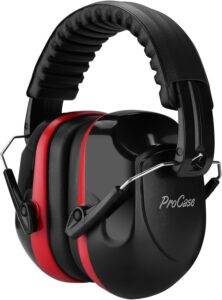
ProCase Noise Reduction Ear Muffs

These ear muffs provide solid noise reduction for autistic adults who need to manage overwhelming sounds during travel and daily activities.

Pros

  • Blocks noise effectively with NRR 28dB rating, making busy airports and crowded spaces more manageable
  • Folds up small enough to fit in most bags without taking up much room
  • Soft padding keeps them comfortable during extended wear once broken in

Cons

  • Feels tight on the head during the first few uses before the headband stretches out
  • May not fit larger head sizes even when fully extended
  • Snug fit can become uncomfortable after wearing for several hours straight

We tested these ear muffs during a recent airport trip and found them helpful for reducing the chaos of terminal noise. The foam padding created a good seal around our ears without causing pain.

After wearing them for about 30 minutes, we noticed our stress levels dropping as the overwhelming sounds faded into the background. The tight fit caught us off guard at first.

We recommend stretching them over a box overnight before your first trip. This makes a big difference in comfort levels.

The folding design works well for travel. We packed them in a carry-on backpack and still had plenty of room for other items.

They stayed protected even when stuffed between clothes and books. We wore them on a three-hour flight and managed fine, though we did need to take a short break halfway through.

The ear cups have enough space inside that our ears didn’t feel crushed. The headband distributed pressure evenly across the top of our head.

These work best for situations where you need quick noise relief rather than all-day wear. We found them perfect for getting through security lines, boarding processes, and loud transportation hubs.

They helped us stay calm when sensory input started feeling like too much.


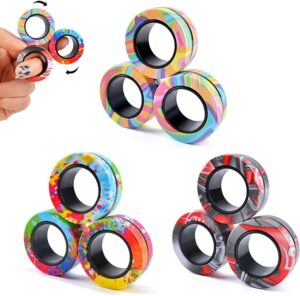
Cevioce Magnetic Rings Fidget Toy Set

These magnetic rings work well for keeping hands busy during travel. The lighter magnets mean you might need to chase them down if they come apart.

Pros

  • Compact size fits easily in pockets or carry-on bags without taking up valuable space
  • Smooth surfaces prevent scratches or discomfort during extended use on planes or trains
  • Multiple rings in different colors let you pick favorites or share with travel companions

Cons

  • Weaker magnets cause rings to separate easily and potentially get lost in airports or hotels
  • Lightweight construction feels less sturdy than expected for frequent travel use
  • Thicker design can feel bulky when wearing multiple rings at once

We tested these magnetic rings during several trips. They were useful for managing stress in crowded airports.

The set comes with nine rings in various colors. We could slip a few into our jacket pocket without any hassle.

The rings spin smoothly around your fingers. This helped us stay calm during a particularly bumpy flight.

We noticed the magnetic connection isn’t very strong. The rings separated a few times when we were playing with them.

One ring fell under an airplane seat, which was annoying to fish out. The plastic material feels light in your hands.

This makes the rings easy to carry but also less durable than we hoped. After using them daily for two weeks of travel, they still worked fine but showed some minor wear marks.

We appreciated how quiet these rings are compared to clicking fidget toys. Nobody on the bus gave us annoyed looks when we used them.

The different color options also made it easy to tell our rings apart from a friend’s set when we traveled together.


PILPOC theFube Fidget Cube

This compact fidget cube works well for travelers who need sensory support during flights, layovers, and overwhelming airport environments.

Pros

  • Six different textured sides give you multiple options when you need to redirect anxious energy during travel delays
  • Four sides stay completely silent so you can use it in quiet spaces like planes without bothering other passengers
  • Comes with a protective case that fits easily in carry-on bags or pockets

Cons

  • The plastic construction feels lighter than expected and might not hold up to years of daily handling
  • The joystick side feels slightly oversized and doesn’t move as smoothly as we’d like
  • One side makes clicking sounds that could annoy nearby travelers if you’re not careful

We tested this fidget cube on a recent cross-country flight. It was genuinely helpful during takeoff anxiety.

The small size means we could keep it in our jacket pocket. We pulled it out whenever sensory overload started creeping in.

The variety of textures really matters when you’re stuck in an airport terminal for hours. We switched between the smooth spinning disc and the soft silicone buttons depending on our stress level.

The silent sides worked perfectly during the actual flight when everyone around us was trying to sleep. The included case protects the cube from getting scratched up in your luggage.

We appreciated having a designated spot for it instead of losing it at the bottom of a backpack. The midnight color looks professional enough that we didn’t feel self-conscious using it during our trip.

The construction quality sits somewhere in the middle range. It handled our fidgeting throughout a full day of travel without breaking, but we’re not sure how it would hold up after months of constant use.


Zen Laboratory Fidget Toy Pack

This 50-piece fidget collection offers great variety and value for autistic travelers who benefit from sensory tools during stressful trips.

Pros

  • Wide selection of textures and types keeps hands busy without getting boring
  • Quiet enough to use on planes and in public spaces without disturbing others
  • Compact size makes it easy to pack several pieces in carry-on bags

Cons

  • Some pieces arrived damaged or broken in our set
  • Quality varies across the 50 items with some feeling flimsy
  • Better suited for shorter trips since pieces can get lost easily

We tested this fidget pack during a weekend flight. It was helpful for managing travel anxiety.

The variety meant we could switch between different textures when one stopped being effective. Pop tubes and marble mesh were our favorites for waiting at the gate.

The quiet nature of most pieces made them perfect for airplane use. We didn’t worry about annoying other passengers while keeping our hands occupied during takeoff and landing.

The stretchy strings and infinity cubes worked especially well in cramped airplane seats. Portability impressed us since each item fits easily in a pocket or small travel pouch.

We kept a few pieces in our personal item bag for quick access during security lines and boarding. The lightweight design added almost nothing to our luggage weight.

Storage became tricky after opening the package since there’s no case included. We ended up using a small zippered bag to keep everything together.

A few items felt cheaply made and broke within the first day. The large quantity meant we still had plenty of options left.


JIANGRUI Sensory Fidget Toys Set

This seven-piece fidget set offers good variety for travel at a budget price. Some pieces need cleaning before use and quality varies between items.

Pros

  • The weighted infinity cube feels solid and provides satisfying sensory feedback during long trips
  • Compact size fits easily in carry-on bags or pockets without taking up much space
  • Multiple fidget options let you switch between different textures and movements when overstimulated

Cons

  • The game controller pad arrives with a sticky coating that requires several washes to remove
  • Some pieces like the button controller break easily with regular handling
  • Quality feels inconsistent across the different items in the pack

We found the JIANGRUI Sensory Fidget Toys Set works well as a starter pack for figuring out which fidget styles help most during travel. The infinity cube became our go-to item during airport waits and plane rides.

Its weight provides nice feedback without making noise that might bother other passengers. The flippy chain and magnetic rings slip easily into jacket pockets for quick access during stressful moments.

We appreciated having options when one type of stimming stopped being helpful. The rainbow puzzle ball kept our hands busy during hotel downtime.

However, we needed to wash the controller piece three times before the sticky feeling went away. One of the buttons snapped off after just a few uses.

The mesh marble toy works fine but feels less durable than we’d like for repeated travel use. The whole set fits in a small pouch that doesn’t add much weight to luggage.


Nakashare Autism Safety Tag Cards

These waterproof identification cards work well for travelers who need a discreet way to communicate their needs in busy airports or unfamiliar places.

Pros

  • The bright colors and clear design make the cards easy to spot on backpacks or luggage
  • Writing emergency contact information on the back gives us peace of mind during trips
  • The sturdy PVC material holds up well even after going through airport security multiple times

Cons

  • Only three cards in the pack means you might need extras for longer trips with multiple bags
  • The round shape can sometimes twist on the lanyard when attached to moving luggage
  • The marker included could be better quality for permanent writing

We tested these cards during a busy airport transfer and found they did exactly what we needed. The cards attached easily to our carry-on bags using the hook and loop strips.

People noticed them right away without us having to explain anything. The waterproof feature proved useful when we got caught in unexpected rain outside the terminal.

Our emergency contact details stayed completely readable. The PVC material feels thick enough to last through many trips.

We appreciate that the pack comes with lanyards and fasteners already included. Setting everything up took less than five minutes.

The cards work great for quick identification without drawing too much attention. The bright colors stand out in crowded spaces like train stations and busy tourist areas.

We used one card on a backpack and another on a suitcase handle. Both stayed firmly attached throughout our entire trip.


Secure ID Autism Alert Cards

These credit card-sized emergency contact cards offer autistic adults a simple way to communicate important medical information without speaking during stressful situations.

Pros

  • You can write custom information with a permanent marker to include exactly what responders need to know
  • The three-card pack lets you keep one in multiple places like your wallet, car, and travel bag
  • The blue puzzle design makes the cards instantly recognizable to emergency personnel and police officers

Cons

  • The matte plastic finish can wear down over time with frequent wallet use
  • You need to provide your own permanent marker to fill out the cards
  • Once you write on them, you can’t easily update the information without replacing the card

We kept one of these cards in our everyday wallet for the past few months.

The size matches a standard credit card perfectly, so it slips right into any card slot without bulking things up.

Writing on the card was straightforward with a fine-tip Sharpie.

We added emergency contact numbers, specific sensory sensitivities, and communication preferences.

The information stayed clear and readable even after going through airport security checkpoints multiple times.

Having the card accessible gave us more confidence during a recent road trip.

We didn’t need to use it, but knowing we could hand it to a police officer or paramedic without needing to verbalize everything reduced our travel anxiety significantly.

The pack of three means we placed one in our travel backpack and gave another to a family member who sometimes accompanies us on trips.

This redundancy ensures someone can always access our medical information quickly if we become overwhelmed or nonverbal in an emergency situation.


Buying Guide

When we shop for travel gear as autistic adults, we need to think about our specific sensory needs and comfort preferences.

The right products can make trips less stressful and more enjoyable.


Sensory Features

We should look for items with tags that can be removed easily.

Seams should be flat or hidden to avoid irritation against skin.

Fabrics matter a lot.

We want materials that feel comfortable and don’t cause overheating or itching.

Natural fibers like cotton often work well, but some synthetic materials designed for comfort can also be good choices.


Practical Considerations

Weight is important when we travel.

Lighter gear is easier to carry through airports and train stations.

Feature Why It Matters
Adjustable straps Allows custom fit for comfort
Multiple compartments Helps with organization
Easy-access pockets Reduces stress when finding items quickly
Durable materials Lasts through repeated trips

Noise and Light

Some gear makes sounds when we move.

Crinkly fabrics or jangling zippers can be distracting.

We should test items or read reviews about noise levels.

For eye masks and earplugs, we need options that block light and sound effectively without pressing too hard on our face or ears.


Size and Fit

We must check measurements carefully before buying.

Items that are too tight or too loose can cause discomfort during long travel days.

Adjustable features give us more control over how things fit our bodies.


Frequently Asked Questions

Travel preparation requires specific gear choices, clear strategies for air travel, and practical ways to manage sensory needs and anxiety during trips.


What essential items should be included in a travel kit for adults with autism?

We recommend packing noise-canceling headphones or earplugs as a top priority.

These items help block out overwhelming sounds in airports, on planes, and in hotels.

Sensory tools make a big difference during travel.

We suggest including fidget tools, a weighted lap pad, or a small comfort item.

Sunglasses and a hat can reduce bright light exposure in unfamiliar places.

We always pack snacks that meet specific dietary needs or preferences.

Many autistic adults have food sensitivities, and familiar foods reduce stress when traveling.

Portable phone chargers keep communication devices and calming apps working throughout the trip.

A written itinerary or visual schedule helps reduce uncertainty.

We print out confirmation numbers, addresses, and emergency contacts to avoid relying only on phone access.


How can high-functioning autistic adults make air travel easier?

We book direct flights whenever possible to avoid the stress of connections and layovers.

Early morning flights typically have fewer crowds and less sensory input.

Arriving at the airport early provides time to move through security without rushing.

We request TSA PreCheck or apply for TSA Cares, which offers support from trained staff who understand disability needs.

Calling the TSA Cares helpline 72 hours before a flight allows us to arrange assistance.

We choose seats carefully based on sensory needs.

Window seats provide a place to lean and control over the window shade.

Aisle seats offer easier bathroom access and more freedom to stand when needed.

Wearing comfortable, loose clothing without metal helps speed up security screening.

We prepare for security by knowing the process and what to expect.


What strategies can help reduce travel anxiety for autistic adults?

We create detailed plans before trips start.

This includes researching hotels, restaurants, and activities to know what sensory experiences to expect.

Virtual tours and photos of locations help prepare for new environments.

Practicing parts of the trip beforehand reduces anxiety.

We might visit a local airport just to walk through it or practice packing and unpacking our suitcase.

We schedule downtime between activities.

Rest periods in quiet hotel rooms allow for sensory recovery and prevent overload.

Building extra time into schedules means we don’t have to rush.

Communication cards explain our needs to airport staff, hotel workers, and others.

These cards state preferences clearly without requiring verbal explanation during stressful moments.


Are there any travel groups or organizations that cater to adults with autism?

Several travel companies now offer autism-friendly trips.

Autism on the Seas partners with cruise lines to provide trained staff and sensory-friendly activities.

They host group cruises specifically for autistic adults and their families.

We find that some tour operators provide small group trips with predictable schedules and quiet options.

Companies like Specialisterne and others in the autism community sometimes organize travel experiences.

Local autism organizations often know about travel groups in specific areas.

We contact autism advocacy groups to ask about travel programs for adults.

Some adults join online communities to find travel partners who understand autism.

These connections help create informal travel groups with shared understanding.


How do travel restrictions impact adults with autism, and what accommodations are available?

Medical documentation helps explain needs for items that might otherwise be restricted.

We carry letters from doctors explaining why we need certain sensory tools, medications, or support items.

The Air Carrier Access Act requires airlines to accommodate disability needs.

We can bring assistive devices and request early boarding to settle in before crowds arrive.

Service animals travel in the cabin when properly documented.

TSA allows medical supplies, liquids for disabilities, and assistive technologies through security.

We notify TSA officers about these items before screening starts.

The TSA website lists current rules for travelers with disabilities.

Hotels must provide reasonable accommodations under the ADA.

We request quiet rooms away from elevators, refrigerators for medications, or other specific needs when booking.


What are the top tips for traveling successfully as an adult with autism?

We always travel with a backup plan. This means knowing alternative transportation options and having extra medication.

Identifying quiet spaces at destinations is also helpful.

Communicating needs clearly from the start prevents problems later. We tell airlines, hotels, and tour operators about our requirements when making reservations.

We use technology to support travel. Apps for navigation, translation, and routine management help maintain structure in new places.

White noise apps create familiar soundscapes in unfamiliar hotel rooms.

Bringing familiar items from home provides comfort. A favorite pillowcase, specific toiletries, or comfort objects help hotel rooms feel less foreign.

We prioritize self-care during trips. This means saying no to activities that feel overwhelming and choosing rest over pushing through discomfort.


Support the Adventure

To make your walls less boring, check out my photography portfolio and bring a piece of the wild and my story into your home.

If you’d like to fuel future adventures, you can donate a coffee on Ko-Fi. Every cup keeps me chasing sunrises and stories.

When you shop using my affiliate links, every click helps support this blog at no extra cost to you. It’s a small way to keep Unicorn Adventure alive and kicking while I keep exploring.

Subscribe to my mailing list for future updates, new stories, and behind-the-scenes adventures.

Stay connected with me on Instagram and  Facebook for more photos and daily inspiration.

Thanks for being part of the journey, Unicorn Squadron!

Leave A Comment