Introduction

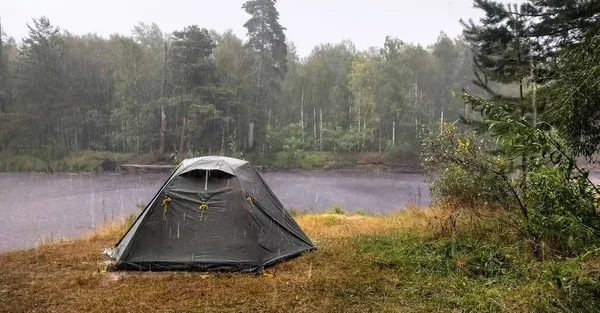
Rain doesn’t have to ruin a camping trip. Many campers worry that wet weather will make their outdoor adventure uncomfortable or even dangerous.

With the right equipment and knowledge, camping in the rain can be just as enjoyable as fair-weather trips.

The key to successful rainy day camping is having gear that keeps you and your belongings dry while maintaining comfort at your campsite. We’ve put together this guide to help you choose the best waterproof and weather-resistant equipment for wet conditions.

From shelter options to clothing and cooking tools, we’ll cover the essential items that make rainy camping work.

We’ll also share practical advice on preparing for bad weather and taking care of your gear after your trip ends.

Whether you’re planning ahead or dealing with unexpected rain, this guide will help you stay ready for whatever the sky brings.


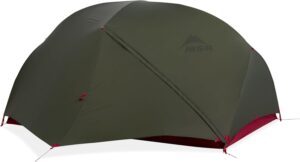
1. MSR Hubba NX Waterproof Backpacking Tent

The MSR Hubba NX stands out as a reliable shelter when rain threatens your camping trip. This freestanding tent uses a hub-style pole system that makes setup quick and straightforward, even in wet conditions.

We appreciate the tent’s weather-resistant design. The fabric keeps rain out while maintaining good airflow to reduce condensation inside.

The vestibule adds 9 square feet of covered space for storing wet gear and muddy boots. The single-person version offers 18 square feet of floor space with a 36-inch peak height.

This gives you enough room to sit up comfortably and organize your gear during a storm. The tent weighs less than many competitors without sacrificing durability.

It packs down small, making it practical for backpacking trips where every ounce matters. The adjustable venting system helps manage moisture buildup during rainy weather.

You can fine-tune airflow based on conditions without letting water in. MSR also makes this tent in two-person and three-person versions.

All sizes work well for three-season camping when you need protection from rain and wind.


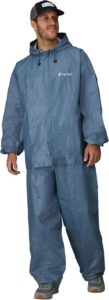
2. Frogg Toggs Ultra-Lite Rain Suit

We recommend the Frogg Toggs Ultra-Lite2 Rain Suit as a solid budget option for camping in wet weather. This two-piece suit weighs around 12.8 ounces and comes with a stuff sack for easy packing.

The rain suit uses a non-woven fabric that keeps water out while still allowing some breathability. We find it works well for staying dry during steady rain without overheating too much.

The jacket features a full zip, adjustable hood, and elastic cuffs. The pants fit easily over regular clothes, which makes the suit simple to put on when weather moves in.

This rain gear costs much less than premium options like Gore-Tex while still providing good protection. The suit comes in men’s and women’s cuts with different colors and camo patterns available.

This suit works best as backup rain gear or for shorter trips. It may not hold up as well during multi-day backpacking trips in areas with constant rain.

The lightweight material can tear more easily than heavier options. For casual camping trips where weight and price matter, we think the Frogg Toggs Ultra-Lite2 delivers strong value.


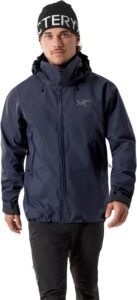
3. Arc’teryx Beta SL Hybrid Jacket

We consider the Arc’teryx Beta SL Hybrid an excellent choice for rainy camping trips. This jacket uses two different fabrics to balance protection and breathability where you need them most.

The jacket keeps rain out effectively during storms and wet weather. It weighs very little, making it easy to pack in your camping gear without adding much bulk.

We appreciate the oversized pit zips that help regulate temperature during active use. The Beta SL Hybrid works well for hikers and backpackers who move around camp.

It handles rain, wind, and light hail without issues. The jacket also fits comfortably over base layers and mid-layers.

Arc’teryx designed this jacket for mountain activities, but it performs just as well at the campsite. The durability stands up to regular use in rough conditions.

We find it particularly useful for camp chores during rainy weather. The main drawback is the price.

This jacket costs more than most rain gear options. However, the weather protection and build quality justify the investment if you camp frequently in wet conditions.


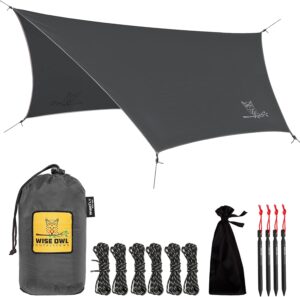
4. Wise Owl Outfitters Hammock Rain Fly

We recommend Wise Out Outfitters Hammock Rain Fly for campers who want reliable rain protection without carrying heavy gear.

These tarps are made from ultralight materials that pack down small in your backpack. The Wise Owl Outfitters stands out as a top choice.

It uses 15 denier Ultra-Sil Nano fabric with both PU and silicone coating. This gives it a 3000mm waterproof rating, which keeps you dry in steady rain.

The large size weighs just 26 ounces. We appreciate how fast these tarps set up when storms roll in.

They work well as standalone shelters or as extra coverage over your tent. You can cook and store wet gear under them while staying protected from the weather.

The versatile design lets you configure the tarp in different ways depending on conditions. We suggest carrying a few lightweight stakes and some cord to give yourself more setup options.

This flexibility makes Wise Owl Outfitters tarps practical for various camping situations in rainy weather.


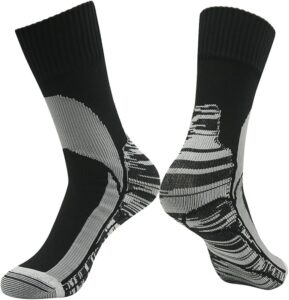
5. Randy Sun Waterproof Socks

Wet feet can ruin a camping trip fast. We recommend packing waterproof socks as a backup layer when rain is in the forecast.

Randy Sun makes quality hiking socks that many outdoor enthusiasts trust. Their waterproof options keep feet dry during wet conditions.

These socks work well for camping in the rain or crossing streams on the trail. The socks use a waterproof membrane to block moisture while still letting your feet breathe.

This prevents the sweaty, uncomfortable feeling that regular rain boots can cause. We find they work best when paired with your regular hiking boots.

These waterproof socks fit snugly without bunching up inside your boots. The comfortable fit helps prevent blisters during long hikes.

We suggest trying them on shorter trips first to make sure they work for your feet before relying on them for extended camping adventures.


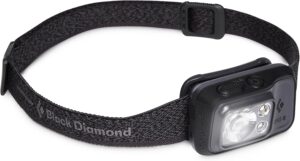
6. Black Diamond Spot 400 Headlamp

We need reliable lighting when camping in the rain, especially during early morning or evening hours. The Black Diamond Spot 400 delivers 400 lumens of brightness through a waterproof housing that keeps working in wet conditions.

This headlamp weighs 120 grams and uses 4 AAA batteries. The compact design sits comfortably on our heads without adding bulk under a rain hood.

The Spot 400 offers multiple lighting modes through an easy-to-use interface with a secondary switch. We can choose from different settings including three night-vision colors.

The light reaches up to 100 meters, giving us good visibility on trails and around camp. The waterproof and dustproof rating means we don’t need to worry about rain damage.

The updated optical lens design provides both a wide beam for close-up tasks and a focused spot beam for distance viewing. We find this headlamp practical for rainy camping trips because it combines durability with functionality.

The simple controls work well even with wet or cold hands, and the secure fit stays in place during active use.


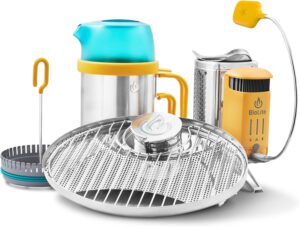
7. BioLite CampStove 2

The BioLite CampStove 2 offers a practical solution for rainy day camping. This wood-burning stove uses twigs, sticks, and other dry materials you can find around your campsite as fuel.

We appreciate that it weighs just over two pounds and packs down to the size of a water bottle. The stove includes a USB port that lets you charge your phone and other devices while you cook.

This works because the stove converts heat from the fire into electricity. The patented combustion technology creates a smokeless flame that works well for cooking meals.

You can use it with the attachable grill or cooking pot. The power bank has a multi-speed fan that helps control your cooking temperature.

When camping in wet weather, you’ll need to find dry wood or bring your own fuel. Store some dry twigs in a waterproof bag before the rain starts.

The stove itself can handle light rain, but you should set it up under a tarp or rain fly for best results. The BioLite CampStove 2 gives us both a cooking surface and a way to keep our devices powered during extended rainy camping trips.


8. Therm-a-Rest NeoAir XTherm Sleeping Pad

Cold ground can drain body heat fast during rainy weather camping. We recommend the Therm-a-Rest NeoAir XTherm NXT for its strong warmth and light weight.

This pad has an R-value of 7.3, which means it blocks cold well. It inflates to 2.5 inches thick for comfort on hard or uneven ground.

The pad weighs around 15 ounces in the regular size. The NeoAir XTherm NXT works year-round but really shines in cold and damp conditions.

Rain often brings cooler temperatures, so the extra warmth matters. The pad uses an air chamber design that traps heat.

We like that this pad is quieter than older versions. Some air pads make crinkly sounds when you move, but Therm-a-Rest improved this issue.

The valve inflates and deflates quickly, which helps when setting up camp in the rain. The pad packs down small enough to fit in most backpacks.

It comes with a stuff sack and repair kit. While it costs more than basic pads, the warmth-to-weight ratio is hard to beat.


9. Silica Gel Moisture Absorbers

We need reliable moisture control when camping in rainy conditions. Silica gel packets are small but powerful tools that protect our gear from humidity damage.

These packets absorb excess moisture from the air inside our storage containers and bags. We can place them in our backpacks, with electronics, inside shoes, and throughout camping gear storage areas.

They prevent mold growth, musty odors, and rust on metal equipment. Silica gel works especially well in enclosed spaces where air circulation is limited.

Many silica gel packets come with color indicators that show when they’re saturated with moisture. We can reactivate most packets by heating them in an oven, which makes them reusable for multiple camping trips.

For larger storage areas, we might consider hanging moisture absorbers or desiccant packs. These handle bigger volumes of humid air in tents or gear storage bins.

Combining silica gel with proper ventilation gives us the best protection against moisture damage in wet weather conditions.


How to Prepare for Rainy Weather at Camp

Getting ready for wet conditions requires checking forecasts carefully, picking the right spot to pitch your tent, and arranging your campsite to handle rain. These steps make the difference between a soggy mess and a comfortable outdoor experience.


Pre-Trip Weather Planning

We need to check weather forecasts starting one week before the trip. Look at multiple weather sources to get accurate predictions about rain timing and intensity.

Create a gear list based on the forecast. If rain is likely, pack extra tarps, waterproof bags for electronics and clothes, and quick-drying towels.

Double-check that all rain gear works properly before leaving home.

Key items to verify:

  • Tent seams are sealed
  • Rain fly has no tears or holes
  • Waterproof jackets have working zippers
  • Rain pants are packed
  • Extra stakes for securing tarps

We also need backup plans for activities. Pack indoor games, books, or craft supplies in waterproof containers.

Know where nearby shelters are located in case of severe weather.


Tent Site Selection Strategies

Choose elevated ground that won’t collect water during storms. Avoid valley bottoms, depressions, or anywhere that looks like a natural drainage path.

Look for natural windbreaks like trees or large rocks. These protect your tent from driving rain while keeping you safe.

Stay away from dead trees or branches that could fall during high winds. The ground should slope slightly for drainage.

We want water to flow away from the tent, not pool underneath it. Test the soil by pressing down with your foot.

Soft, spongy ground holds water and makes a poor tent site.

Best locations:

  • Slight hills or ridges
  • Areas with tree cover (but not directly under large branches)
  • Spots with natural drainage away from the tent
  • Sandy or gravelly soil that drains quickly

Setting Up a Rain-Resistant Campsite

Lay down a ground tarp under your tent, but make sure it doesn’t extend past the tent edges. Any tarp sticking out will catch rain and funnel water underneath your tent floor.

Set up a large tarp over your cooking and gathering area before doing anything else. This gives you dry workspace while setting up the rest of camp.

Angle the tarp so water runs off to one side, not into your living space. Dig small trenches around your tent if heavy rain is expected.

These channels should be about 2 inches deep and direct water away from your tent. Always fill these in before leaving the campsite.

Store gear in waterproof bags and keep them off the ground. Use plastic bins or hang bags from trees under your tarp shelter.

Keep one set of dry clothes sealed in a waterproof bag for emergencies.


Caring for Gear After Wet Camping

Wet camping gear needs immediate attention to prevent permanent damage and keep equipment functional for future trips. Proper drying, storage, and quick repairs protect your investment and ensure your gear stays safe to use.


Drying and Storing Equipment

We need to dry all wet gear completely before storing it. Setting up tents, tarps, and rain flies in a garage or covered area allows air to circulate around the fabric.

If indoor space is limited, we can hang items on a clothesline or drape them over chairs. Sleeping bags require special care.

We should lay them flat or hang them loosely in a dry space. Never store a sleeping bag in its compression sack when damp.

Boots and shoes need their insoles removed. We stuff them with newspaper to absorb moisture, changing the paper every few hours.

This speeds up drying and helps maintain their shape. We air out all gear for at least 24 to 48 hours before storage.

Even items that feel dry on the surface may hold moisture in seams and layers. Once everything is bone-dry, we store gear in a cool, dry place with good airflow.


Preventing Mold and Odors

Mold grows quickly on damp fabric and creates health risks. We inspect all gear thoroughly for any signs of mildew or musty smells before storing.

If we spot mold, we clean affected areas right away. For tents and tarps, we use a mixture of warm water and mild soap, scrubbing gently with a soft brush.

We can add a small amount of white vinegar to the cleaning solution for stubborn spots.

Quick prevention tips:

  • Never pack wet gear in sealed containers or bags
  • Use moisture-absorbing products like silica gel packets in storage areas
  • Keep gear in spaces with temperatures between 50-70°F
  • Check stored items monthly during off-season

We wash clothing and towels in a washing machine with regular detergent. Adding a cup of white vinegar to the rinse cycle helps eliminate odors without damaging fabric.


Repairing Water Damage

Water can damage gear beyond just making it wet. We check all equipment for problems that need fixing.

Zippers often fail after getting wet and dirty. We clean them with an old toothbrush and soapy water, then apply zipper lubricant once dry.

Bent or broken zipper pulls should be replaced immediately. Seam tape on tents and rain gear can peel or separate.

We use seam sealer to repair loose sections, applying it to clean, dry fabric. The repair needs 24 hours to cure fully.

Waterproof coatings wear off over time, especially after rain exposure. We reapply DWR (Durable Water Repellent) treatment to rain jackets, tent flies, and backpacks following the product instructions.

Most treatments require the gear to be clean and dry first. Metal components like stakes and buckles may show rust spots.

We remove light rust with steel wool and apply a thin coat of oil to prevent further corrosion.


Frequently Asked Questions

Camping in rainy conditions raises practical questions about gear, comfort, and activities. These answers address the most common concerns campers face when preparing for wet weather adventures.


What are the essential items to pack for camping in wet weather?

We always pack a waterproof tent as the foundation of our rainy weather setup. The MSR Hubba NX Waterproof Backpacking Tent offers reliable protection against heavy rainfall.

Rain gear tops our clothing list. The Frogg Toggs Ultra-Lite Rain Suit provides full-body coverage without taking up much space in our packs.

We bring extra tarps beyond our shelter’s rainfly. The Wise Owl Outfitters Rain Fly creates additional dry zones for cooking and storing gear.

Waterproof bags protect our electronics, clothing, and sleeping bags from moisture. We also pack silica gel packets to absorb humidity inside sealed containers.

Quick-dry towels and extra socks prevent discomfort from wet feet. We never skip bringing multiple garbage bags for wet clothes and muddy boots.


How can you keep your tent dry and comfortable during a rainy camping trip?

We pitch our tent on elevated ground to avoid water pooling underneath. Low spots and valleys collect rainwater and create flooding risks.

Setting up a footprint or ground cloth under the tent prevents ground moisture from seeping through the floor. We make sure this layer doesn’t extend beyond the tent edges, which would collect water.

We apply seam sealer to all tent seams before trips. This extra waterproofing step stops leaks at vulnerable stitching points.

Proper rainfly setup makes a huge difference. We stake out the rainfly tightly and keep it from touching the tent body to maintain airflow and reduce condensation.

We wipe down condensation from interior tent walls each morning. Ventilation through partially opened vents helps moisture escape even during rainfall.


Which activities are best suited for adults when camping on a rain-soaked day?

Card games and board games work well under a tarp shelter. We bring waterproof playing cards that won’t get damaged by moisture.

Reading provides quiet entertainment during steady rainfall. We keep books and e-readers in waterproof cases.

Cooking elaborate meals becomes an enjoyable project when we’re tent-bound. We set up our cooking area under an extended tarp where we can work comfortably.

Short hikes in rain gear let us explore without staying cooped up all day.

The forest looks different in the rain, and trails are usually empty. Photography captures unique scenes during and after rainfall.

Mist, water droplets, and dramatic clouds create compelling images.


What should be included in a minimalistic camping gear list for a rainy forecast?

One quality rain jacket like the Arc’teryx Beta SL Hybrid Jacket provides essential weather protection. We choose jackets with pit zips for ventilation.

A single large tarp serves multiple purposes. We use it as a cooking shelter, gear storage area, or extra groundsheet.

Waterproof stuff sacks keep our sleeping bag and spare clothes dry. We prioritize protecting items that lose functionality when wet.

A compact camp stove with windscreen lets us cook hot meals. Warm food and drinks boost morale during wet conditions.


How can you entertain children while camping in the rain?

We set up a large covered area with tarps where kids can move around safely.

This dry zone becomes their activity headquarters.

Scavenger hunts work even in light rain.

We create lists of items kids can find near camp while wearing rain gear.

Arts and crafts using natural materials keep hands busy.

Kids collect leaves, pinecones, and sticks to make nature art under shelter.

Storytelling and audiobooks provide screen-free entertainment.

We download favorites before trips in case we lose cell service.

Puddle jumping and mud play embrace the weather instead of fighting it.

We pack extra clothes and towels specifically for messy outdoor fun.


What commonly forgotten camping item is crucial not to overlook on a rainy day trip?

Extra stakes and guy lines often get left behind.

We need these to secure tarps and reinforce tent stability against wind and rain.

Candles or lanterns become essential when overcast skies reduce daylight hours.

We pack headlamps with fresh batteries as backup lighting.

Rope or paracord serves countless purposes during wet weather.

We use it to create clotheslines for drying gear and hanging tarps at various angles.

Waterproof matches or reliable fire starters get forgotten until we need them.

Starting fires with wet wood requires proper ignition tools.

A small broom or brush helps keep tent interiors clean.

Mud and debris track inside constantly during rainy weather, and this simple tool maintains our living space.


Support the Adventure

To make your walls less boring, check out my photography portfolio and bring a piece of the wild and my story into your home.

If you’d like to fuel future adventures, you can donate a coffee on Ko-Fi. Every cup keeps me chasing sunrises and stories.

When you shop using my affiliate links, every click helps support this blog at no extra cost to you. It’s a small way to keep Unicorn Adventure alive and kicking while I keep exploring.

Subscribe to my mailing list for future updates, new stories, and behind-the-scenes adventures.

Stay connected with me on Instagram and  Facebook for more photos and daily inspiration.

Thanks for being part of the journey, Unicorn Squadron!

Leave A Comment