Introduction
Camping trips often involve the same basic gear, tent, sleeping bag, and cooler. But many useful gadgets exist that can make outdoor adventures more comfortable and easier to manage.
These tools solve common camping problems like keeping food cold, charging devices, and filtering water without adding too much weight or taking up valuable space.
We often focus on the essentials and miss items that could improve our time outdoors. Some gadgets use solar power to keep electronics running.
Others help with cooking, staying warm, or protecting against bugs. The right tools can turn a good camping trip into a great one without requiring a lot of extra effort or planning.
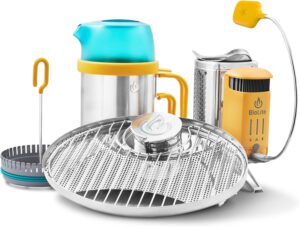
1. BioLite CampStove 2 – portable wood-burning stove with USB charger
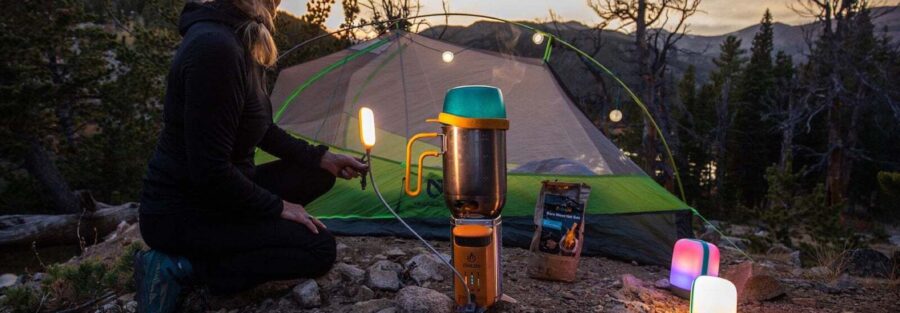
We think the BioLite CampStove 2 stands out as one of the more useful camping tools available. It burns wood to create a cooking fire while converting heat into electricity through a built-in USB port.
The stove uses twigs, sticks, and other small pieces of wood you find on the ground. No fuel canisters needed.
The patented fan system creates better airflow, which reduces smoke and helps the fire burn hotter. What makes this stove different is its ability to charge phones, headlamps, and battery packs while you cook.
The newest version includes 50% more charging power than the original model. It also has an LED dashboard that shows battery level and fan speed.
The CampStove 2 weighs around 2 pounds and fits easily in a backpack. We find it works well for boiling water and cooking meals in just a few minutes.
BioLite offers accessories like a portable grill and kettle pot that attach to the stove. The entire setup provides a complete cooking system for camping trips where weight and space matter.
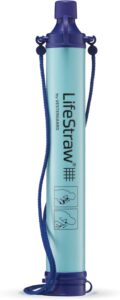
2. LifeStraw Personal Water Filter – compact, reliable water purifier
We often overlook water safety when packing for camping trips. The LifeStraw Personal Water Filter solves this problem with a simple straw design that fits easily in any backpack.
This portable filter removes 99.999999% of bacteria and parasites from water sources. It works on streams, lakes, and ponds without needing batteries or chemicals.
You just place the straw in the water and drink. The LifeStraw can filter up to 4,000 liters of water before needing replacement.
That’s enough for years of camping trips and emergency situations. We appreciate how lightweight this filter is for hiking and backpacking.
It weighs almost nothing and takes up minimal space in our gear. The BPA-free design meets EPA and NSF standards for safety.
Getting water does require some sucking effort, especially from shallow puddles. But this minor inconvenience is worth having clean drinking water anywhere we go.
The LifeStraw costs less than many other filtration systems while delivering reliable performance. We consider it essential gear for outdoor adventures and emergency kits.
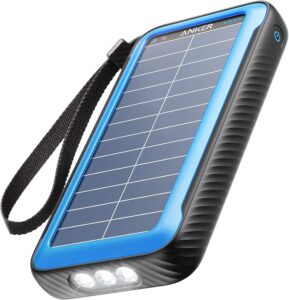
3. Anker PowerCore Solar 20000 – solar-powered portable charger
We know keeping devices charged while camping can be a challenge. The Anker PowerCore Solar 20000 solves this problem with its 20,000 mAh battery capacity and built-in solar panels.
This power bank offers dual charging ports. The USB-C port provides 18W fast charging, while the USB-A port delivers 12W.
We can charge multiple devices at once, which makes it practical for group camping trips. The solar charging feature works as a backup option when we’re away from outlets for extended periods.
The device also has an IP65 rating, making it splash-proof and dustproof for outdoor use. One feature we find particularly useful is the built-in 3-mode flashlight.
It helps us light up paths, brighten the campsite, or signal for help during emergencies. The package includes a USB-C to USB-C cable and a wrist strap for easy carrying.
The power bank weighs about 1 pound and measures 6.88 x 3.46 x 1.19 inches. This makes it portable enough for backpacking without taking up too much space in our gear.
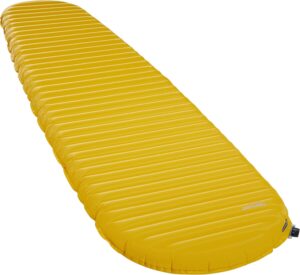
4. Therm-a-Rest NeoAir Xlite – lightweight inflatable sleeping pad
A good night’s sleep can make or break a camping trip. The Therm-a-Rest NeoAir XLite sleeping pad solves the common problem of choosing between comfort and pack weight.
This inflatable pad weighs just 12 ounces but provides 3 inches of cushioning between you and the ground. It packs down to the size of a one-liter water bottle, leaving plenty of room in your backpack for other gear.
The XLite works well for three-season camping with an R-value of 3.2. This means it provides enough insulation to keep you warm from spring through fall.
The newer NXT version addresses one of the biggest complaints about the original model. The updated design reduces noise by 83%, so you won’t wake up every time you shift positions during the night.
We find the XLite particularly useful for backpacking trips where every ounce matters. The pad inflates quickly and deflates just as fast when it’s time to pack up camp.
It strikes a practical balance between weight, warmth, and comfort that works for most campers.
5. Dometic CFX3 Portable Refrigerator – efficient 12V fridge/freezer
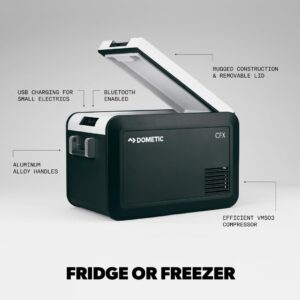
The Dometic CFX3 series brings real refrigeration to camping trips. This isn’t a cooler with ice that melts.
It’s an actual fridge and freezer that runs on 12V power. The CFX3 can reach temperatures as low as -7°F.
It uses less power than a 60W light bulb, making it practical for extended trips. We can run it from a vehicle battery, AC power, or even solar panels.
The unit comes in several sizes, from 36 liters up to 100 liters. The 55-liter model includes a built-in ice maker, which adds convenience at camp.
All models feature durable construction with aluminum alloy handles and protective fender frames. The compressor runs quietly with minimal vibration.
We can control and monitor the temperature through a mobile app, which helps manage power use when off-grid. The main drawback is the price.
These units cost significantly more than traditional coolers. However, we never need to buy ice or deal with soggy food.
For regular campers or van life enthusiasts, the CFX3 offers reliable food storage anywhere.
6. MSR Hubba NX 2-Person Lightweight Tent
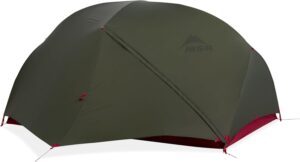
A quality tent can make or break your camping trip. The MSR Hubba Hubba NX 2-Person tent stands out as a solid choice for backpackers who need reliability without extra weight.
This tent offers 29 square feet of floor space with a peak height of 39 inches. The design includes two doors and two vestibules, which makes getting in and out easier when you’re sharing the space.
We appreciate that the floor doesn’t taper, giving both people equal room. The freestanding design means you can set it up without stakes if needed.
The pole structure creates near-vertical walls that maximize usable space inside. At around 3.5 pounds, it’s light enough for backpacking trips where every ounce matters.
The materials balance weight with durability for three-season camping. The ventilation system works well to reduce condensation on cool nights.
The tent packs down small enough to fit in a backpack without taking up too much room. It costs more than budget options, but the construction quality and thoughtful design justify the price for serious campers.
7. Cliganic Mosquito Repellent Bracelet – wearable insect protection
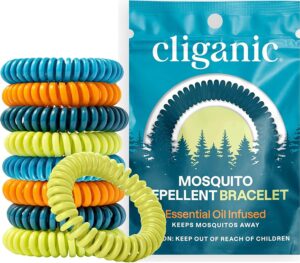
We’ve found that mosquito repellent bracelets offer a practical alternative to traditional sprays and lotions. The Cliganic bracelet lets you wear your bug protection instead of constantly reapplying messy products to your skin.
These bracelets typically use plant-based essential oils rather than chemical ingredients like DEET. You simply wear them on your wrist or ankle while camping, hiking, or sitting around the fire.
The main advantage we see is convenience. There’s no need to remember bottles or worry about sticky residue on your hands.
The bracelet stays in place and works without any extra effort on your part. Most wearable repellent bracelets come individually wrapped, making them easy to pack in your camping gear.
They’re adjustable to fit different wrist sizes, so everyone in your group can use them. We recommend keeping realistic expectations about coverage area.
These bracelets work best for the immediate area around where you wear them. For full body protection during heavy mosquito activity, you might want to combine them with other repellent methods.
8. Hydro Flask Insulated Water Bottle – keeps drinks cold or hot for hours
We know staying hydrated during camping trips matters.
A Hydro Flask insulated water bottle solves the problem of lukewarm drinks in the wilderness.
These stainless steel bottles use double-wall insulation to maintain drink temperatures.
Cold beverages stay cold for up to 24 hours.
Hot drinks remain hot for up to 12 hours.
The bottles come in different sizes to match our needs.
The 21 oz and 24 oz Standard Mouth options fit most cup holders and backpack pockets.
We can fill them in the morning and count on the right temperature hours later.
The design prevents condensation on the outside.
This means no wet gear in our backpacks.
The bottles are also leakproof when closed properly.
Hydro Flask bottles work for more than just camping.
We use them at the gym, at work, and during daily activities.
The durable construction handles drops and rough handling on the trail.
We spend less money on disposable bottles and always have a reliable way to carry water or coffee.
How Innovative Gadgets Transform Your Camping Experience
Modern camping gadgets address real problems we face outdoors, from keeping our gear charged to purifying water safely.
These tools make camping more accessible while helping us protect the environment we enjoy.
Improving Safety and Comfort
Safety gadgets give us peace of mind when we’re far from help.
Personal locator beacons and satellite messengers let us call for emergency assistance even without cell service.
These devices send our exact location to rescue teams.
Weather monitoring gadgets warn us about incoming storms or temperature drops.
We can prepare our shelter or move to safety before conditions become dangerous.
Some devices connect to our phones and provide hour-by-hour forecasts.
Portable power stations keep our essential devices running.
We can charge phones, lights, and medical devices without worrying about dead batteries.
Many units now include solar panels for extended trips.
Temperature-regulating gear keeps us comfortable in different conditions.
Heated sleeping pads warm us on cold nights, while cooling towels help during hot days.
Some sleeping bags now adjust their insulation based on the temperature around us.
Enhancing Convenience Around Camp
Camp kitchen gadgets make meal prep faster and easier.
Portable water heaters give us hot water in minutes without building a fire.
Collapsible cookware saves pack space while still letting us prepare full meals.
Water purification systems provide clean drinking water from streams and lakes.
UV purifiers kill harmful bacteria in seconds.
Filter bottles let us drink directly from water sources while removing contaminants.
Lighting technology has improved significantly.
LED lanterns last for days on a single charge and adjust their brightness automatically.
Headlamps now include red light modes that preserve our night vision.
Compact organization systems keep our gear tidy.
Hanging organizers attach to trees or tent poles and create storage space.
Compression bags reduce the volume of our clothes and sleeping bags by half.
Supporting Sustainable Outdoor Practices
Solar-powered gadgets reduce our reliance on disposable batteries.
Solar chargers work with most devices and eliminate battery waste.
We can power our essentials using clean energy from the sun.
Reusable products replace single-use items at camp.
Silicone food bags store snacks without creating plastic waste.
Collapsible water containers eliminate the need for bottled water.
Biodegradable soap and cleaning products protect water sources.
These formulas break down naturally without harming fish or plants.
We can wash dishes and clothes without damaging the environment.
Waste management tools help us follow Leave No Trace principles.
Portable trash compactors reduce the volume of our garbage.
Designated waste bags keep food scraps separate from recyclables, making proper disposal easier when we return home.
Tips for Choosing the Right Camping Gadgets
Smart camping gear choices come down to three main factors: build quality that lasts through rough conditions, actual usefulness over flashy features, and how easy the item is to carry and store.
Assessing Quality and Durability
We look for camping gadgets made from materials that can handle outdoor conditions.
Metal components should resist rust, while plastic parts need to be thick enough to avoid cracking in cold weather or breaking under pressure.
Check the warranty length before buying.
A company offering a 2-year or lifetime warranty usually stands behind their product quality.
Read reviews from people who’ve used the gadget for at least one full camping season.
Water resistance ratings matter for electronics.
Look for an IPX4 rating at minimum, which protects against splashing water.
Seams and connection points are weak spots where moisture gets in.
We test zippers, hinges, and moving parts before trusting them in the wilderness.
These components fail first on cheap gadgets.
Press buttons multiple times and open folding items repeatedly to check for wobbling or sticking.
Evaluating Practicality Versus Novelty
A gadget should solve a real camping problem we face.
We skip items that only do one simple task a basic tool already handles.
For example, a dedicated marshmallow roasting stick adds nothing over a clean branch.
Key questions to ask:
- Does this replace multiple items in our pack?
- Will we actually use it on most trips?
- Can it serve backup purposes if needed?
Battery-powered gadgets need to justify their weight and the need to keep them charged.
Solar panels or hand-crank options work better for longer trips.
We avoid gadgets with batteries that can’t be replaced in the field.
The most practical camping tools work without perfect conditions.
Rain, dirt, and temperature changes shouldn’t stop a gadget from functioning.
Considering Weight and Portability
We weigh every item before adding it to our camping setup.
A gadget over 2 pounds needs to provide significant value or replace heavier alternatives.
Backpackers count ounces while car campers have more flexibility.
Collapsible and nested designs save pack space.
Coffee makers that fold flat, bowls that stack inside each other, and tools with removable handles pack more efficiently.
Measure the collapsed size against your available storage.
Sharp edges and odd shapes damage other gear in transit.
We look for rounded corners and protective cases for delicate items.
Hard-sided containers protect fragile gadgets but add bulk.
Weight distribution affects comfort on hikes to camp spots.
We place heavier gadgets close to our backs in the middle section of our packs.
Frequently Asked Questions
Many campers have similar questions when exploring new camping gear options.
What innovative gear should be on every camper’s packing list?
We recommend starting with items that solve multiple problems at once.
The BioLite CampStove 2 burns wood for cooking while charging your devices through its USB port.
This dual function makes it valuable for any camping trip.
Water safety matters, so we include the LifeStraw Personal Water Filter on every list.
It removes bacteria and parasites from natural water sources without batteries or complex setup.
Power management becomes simple with the Anker PowerCore Solar 20000.
This portable charger uses solar panels to keep phones and GPS devices running when you’re far from electrical outlets.
Which camping accessories are surprisingly essential?
A quality sleeping pad often gets overlooked until your first night on rocky ground.
The Therm-a-Rest NeoAir Xlite weighs just 12 ounces but provides real insulation and cushioning.
We’ve found that sleep quality affects every part of a camping trip.
Food storage creates challenges that basic coolers can’t solve.
The Dometic CFX3 Portable Refrigerator maintains consistent temperatures using 12V power from your vehicle.
It functions as both a fridge and freezer, which prevents food waste on longer trips.
Bug protection lanterns serve two purposes at campsites.
They provide light while reducing the number of insects around your tent area.
What are the top-rated gadgets to enhance the camping experience?
We prioritize gadgets that work in real outdoor conditions.
The BioLite CampStove 2 scores high because it uses available wood instead of requiring fuel canisters.
Users report that it starts fires quickly even with damp wood.
The LifeStraw Personal Water Filter has proven itself in thousands of camping scenarios.
It filters up to 1,000 gallons of water and fits easily in a backpack pocket.
Solar chargers like the Anker PowerCore Solar 20000 receive positive feedback for their charging speed.
The device holds enough power for multiple phone charges even without direct sunlight.
Where can one find reliable reviews for the latest camping equipment?
We look at outdoor retailer websites that verify purchases before allowing reviews.
These sites show which reviewers actually bought and used the products.
Camping forums provide detailed feedback from experienced users.
Members often share photos and videos of gear in actual camping conditions.
YouTube channels focused on camping gear offer visual demonstrations.
We watch multiple reviews of the same product to identify consistent strengths or problems.
How to choose camping gear that ensures both comfort and convenience?
Weight matters when you carry gear to your campsite.
We calculate the usefulness of each item against its weight.
The Therm-a-Rest NeoAir Xlite works well because it weighs less than a pound but improves sleep significantly.
Multi-function tools reduce the total number of items in your pack.
The BioLite CampStove 2 replaces both a traditional stove and a power bank.
Durability determines whether gear lasts one season or ten years.
We check construction materials and warranty terms before buying expensive items like the Dometic CFX3 Portable Refrigerator.
What essentials should you consider when shopping for high-quality camping gear?
Water access ranks as our top consideration.
The LifeStraw Personal Water Filter provides safe drinking water without carrying heavy bottles.
Power needs vary based on trip length and location.
We bring the Anker PowerCore Solar 20000 for trips longer than two days or when traveling to remote areas.
Temperature control affects both safety and comfort.
The Dometic CFX3 Portable Refrigerator prevents food-borne illness.
The Therm-a-Rest NeoAir Xlite keeps body heat from escaping into cold ground.
Fire starting capability through the BioLite CampStove 2 provides warmth and cooking ability in various weather conditions.
Support the Adventure
To make your walls less boring, check out my photography portfolio and bring a piece of the wild and my story into your home.
If you’d like to fuel future adventures, you can donate a coffee on Ko-Fi. Every cup keeps me chasing sunrises and stories.
When you shop using my affiliate links, every click helps support this blog at no extra cost to you. It’s a small way to keep Unicorn Adventure alive and kicking while I keep exploring.
Subscribe to my mailing list for future updates, new stories, and behind-the-scenes adventures.
Stay connected with me on Instagram and Facebook for more photos and daily inspiration.
Thanks for being part of the journey, Unicorn Squadron!