

Introduction
Hiking doesn’t actually require much gear to get started. Still, the right gadgets can turn a basic outdoor experience into something way more enjoyable.
Lots of hikers stick to the essentials, not realizing there are tools that solve those nagging trail problems we all run into. We tend to miss out on clever gear that could make our adventures safer, comfier, or just plain more fun.
The best hiking gadgets give you practical solutions with solid performance for real outdoor challenges. Whether you need to keep devices charged miles from civilization or want clean water on remote trails, these tools do what regular gear can’t.
We’ve gathered options from survival essentials to small comforts that make camp life easier. There’s even smart tech to help you stay connected and safe in the backcountry.
1. BioLite CampStove 2+
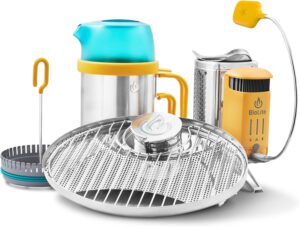
The BioLite CampStove 2+ does something I honestly didn’t expect: it burns wood to cook your food and turns that heat into electricity for charging your devices.
You can fuel it with twigs, sticks, and whatever small wood you find along the trail. No need to lug heavy fuel canisters around.
The built-in thermoelectric generator grabs heat from the fire and gives you usable power through a USB port. The stove’s patented combustion tech creates a smokeless flame, so you can cook, boil water, and charge your phone or headlamp all at once.
The bundle comes with a portable grill, KettlePot, coffee press, and an LED light. Everything packs down into a nice, compact system that’s easy to bring on camping trips.
At $300, it’s pricier than basic camping stoves. But if you want to stay off-grid for longer, being able to charge gear without extra batteries is a real game changer.
2. Garmin inReach Mini GPS Messenger
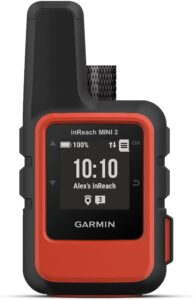
We’ve all had that moment when our phone shows zero signal out on the trail. The Garmin inReach Mini fixes that by using satellites instead of cell towers to send messages.
This tiny device lets you text family and friends from pretty much anywhere. It works in remote mountains, dense forests, or wherever your phone just doesn’t connect.
You can share your location so folks back home know you’re safe. The most important feature is the emergency SOS button.
If you get lost or injured, you can call for help even when you’re way off the grid. It connects to emergency services via satellite, not cell.
The inReach Mini also gives you GPS navigation and weather forecasts, which is super handy before heading into exposed areas. It does need a subscription plan, so that’s an extra cost, but for remote hiking, the peace of mind is hard to beat.
It’s small enough to slip in your pocket and won’t weigh you down.
3. LuminAID Solar Inflatable Lantern
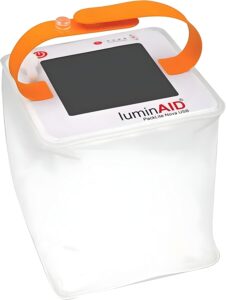
We love gear that pulls double duty, and the LuminAID Solar Inflatable Lantern totally does. It’s a light source and a phone charger, which is pretty great for longer trips.
The lantern inflates with a simple twist and packs completely flat when you’re done. That means it barely takes up any space, unlike bulky lanterns with rigid frames.
Solar panels on the lantern recharge the battery during the day. If you’re in a pinch, you can also charge it via USB.
The LEDs have multiple brightness settings, up to 100 lumens, so you can pick what you need. The waterproof and shatterproof design stands up to outdoor use, so you don’t have to stress about rain or drops.
We’ve used it to light up campsites and tents without worrying about broken glass or water damage. The dual charging capability is a real bonus, when your phone’s about to die, you’ve got a backup power source right there.
4. Therm-a-Rest NeoAir XLite Sleeping Pad
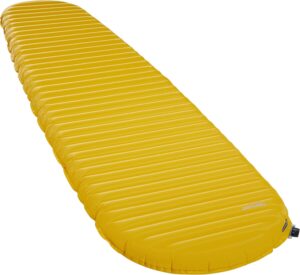
For ultralight backpacking, the Therm-a-Rest NeoAir XLite is a favorite. This sleeping pad weighs about 12 ounces but somehow still feels plenty comfy and warm.
The XLite packs down to the size of a water bottle, so it’s easy to fit in your backpack. That leaves more room for whatever else you want to bring.
What’s cool is the insulation. It keeps you warm on cold nights up high, but it’s still light enough for fast hiking.
The new NXT version is less noisy than the original, which is a big win. We use this pad for three-season trips and think the $200 price is fair for the comfort and weight savings.
It’s thick enough for rough ground and comes with a stuff sack and repair kit. If you want to sleep well without carrying a ton, this pad’s a solid pick.
5. Black Diamond Spot 400 Headlamp
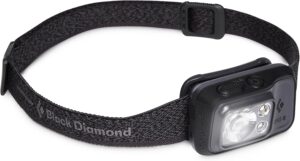
Headlamps are easy to forget when packing hiking gear, but the Black Diamond Spot 400 is worth remembering. This little light puts out 400 lumens and comes in a smaller package than older versions.
You get multiple brightness settings for different situations. On the lowest six-lumen setting, it’ll run for 225 hours on one set of batteries.
At medium power, it throws light 60 meters ahead and lasts about eight hours. The IPX8 waterproof rating means you can drop it in a stream or get caught in a downpour, and it’ll keep working.
The Spot 400 takes regular AAA batteries or rechargeables, so you’ve got options on longer trips. There’s a second switch that makes swapping between modes simple, white light, red night vision, or strobe.
The low profile design sits comfortably and doesn’t feel front heavy. For camp chores or night hiking, this headlamp handles both without a fuss.
Its mix of power, battery life, and water resistance makes it a reliable tool we always toss in our pack.
6. Jetboil Flash Cooking System
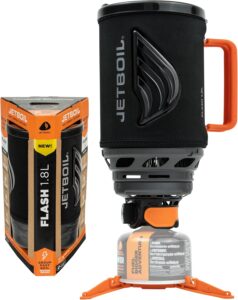
The Jetboil Flash has honestly changed how fast we can get hot water on the trail. This compact cooking system boils water in about 100 seconds. No more waiting forever when you’re tired and hungry.
It’s best for one or two people with its 1.0L capacity. Everything packs inside itself, so you don’t have to carry separate pots or accessories.
The design is simple and keeps your pack organized. We mostly use it for boiling water for freeze dried meals, instant coffee, or hot chocolate.
It’s not really meant for fancy cooking since it doesn’t simmer well. But for backpackers who just want hot water fast, it delivers.
The Flash isn’t the lightest stove out there, but its speed and convenience make up for a few extra ounces. The integrated design means you won’t forget any parts at home, and the fuel efficiency helps your canisters last on longer trips.
7. LifeStraw Personal Water Filter
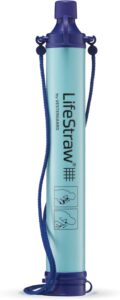
The LifeStraw Personal Water Filter is one of the most practical gadgets we’ve used for backcountry hiking. It’s super light, just 0.09 pounds, and filters up to 1,000 gallons from streams, lakes, or wherever you find water.
The filter removes 99.999999% of bacteria and 99.999% of parasites, meeting US EPA and NSF standards. It even filters out microplastics down to 1 micron.
No batteries, pumping, or chemicals needed. You just stick the straw in a water source and drink right through it.
It’s perfect for ultralight trips where every ounce counts. The compact design fits in any backpack pocket, and we like having it as a backup even if we carry a bigger filter.
For day hikes, it saves you from hauling heavy water bottles. The LifeStraw is also handy for emergency kits, and at under $20, it’s a no-brainer for most hikers.
8. Anker PowerCore Solar Portable Charger
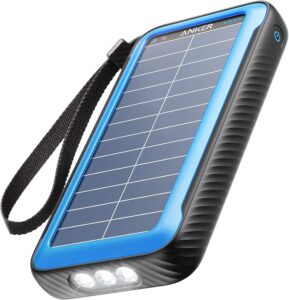
The Anker PowerCore Solar keeps our devices charged when we’re far from outlets. It comes in 10,000mAh and 20,000mAh sizes, both with dual USB ports so you can charge more than one device at a time.
The solar panel on top recharges the battery with sunlight, which is useful as a backup on multi-day trips. Realistically, you’ll want to charge it at home first, but the solar feature helps stretch your battery life.
The IP64 rating means it’s protected against dust and splashes. There’s a built-in flashlight with three modes for lighting up camp, finding your way, or signaling if you’re in trouble.
The 10,000mAh version gives at least one full phone charge, while the 20,000mAh model can handle multiple charges or power up bigger devices. Both are built tough to handle drops and rough use outdoors.
9. KIPIDA Solar Shower Bag
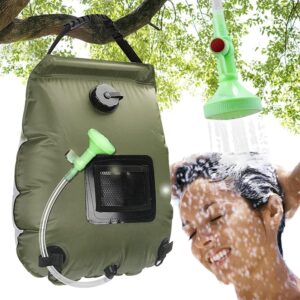
Staying clean in the backcountry doesn’t mean hauling heavy gear. The KIPIDA Solar Shower Bag is so light, you’ll barely notice it in your pack.
This compact shower holds 20 liters and unfolds from a tiny package into a full-size shower bag. The fabric soaks up heat from the sun, warming your water while you hike or set up camp.
We like the simple twist mechanism on the showerhead for controlling water flow. The roll-top closure keeps water secure, and the same tough fabric as their dry sacks makes it durable for repeated trips.
You get about eight minutes of water flow, enough for a quick rinse or washing dishes. Hang it from a branch with the attached nylon cord and you’re set.
For really hot water, we sometimes mix in a pot heated on our stove. After a long day, this gadget honestly makes a huge difference in how you feel.
How Hiking Gadgets Enhance Outdoor Safety
Modern hiking gadgets give us real protection with reliable emergency communication and up-to-the-minute weather info. These tools help us steer clear of trouble on the trail.
Emergency Communication Devices
Personal locator beacons and satellite messengers keep us connected when cell service vanishes. With a button press, these gadgets send our GPS location to emergency responders.
Phones can’t do that everywhere, but these devices work globally. Two-way satellite communicators let us text family or rescue teams from anywhere.
We can update loved ones about route changes or delays. They also pull in weather alerts and safety notifications.
Key features to look for:
- Global satellite coverage
- SOS emergency button
- Multi-day battery life
- Water resistance rating
Personal locator beacons don’t need monthly fees, which helps if you only hike sometimes. Satellite messengers do require service plans but allow more communication.
It’s smart to carry fresh batteries and test your device before heading out.
Weather Monitoring Tools
Portable weather stations show temperature, humidity, barometric pressure, and wind speed. When pressure drops, we get a heads-up about storms before they hit.
We can decide to keep going or turn back based on this data. Handheld weather radios pick up NOAA broadcasts with warnings for our exact spot.
These alerts cover flash floods, lightning, and wild temperature swings. Some GPS watches include barometric altimeters to track pressure changes.
If pressure drops fast, say, 0.02 inches per hour, it means bad weather’s coming. We usually pair this info with what we see in the sky to make better calls about our route.
Integrating Smart Technology on the Trail
Smart devices actually solve a lot of common hiking headaches, from tracking your location to keeping your phone alive. They work best when they make things easier, not more complicated.
Navigation and Tracking Features
GPS devices have replaced paper maps for many of us. Modern smartwatches and hiking GPS units track routes, mark waypoints, and help us find our way if we get lost.
Most now offer topographic mapping to show elevation and terrain details. We can download maps before leaving, so they work even without cell service.
Some models track pace and distance, making it easier to plan breaks and estimate finish times. Real-time tracking lets us share our location with emergency contacts, which is a big deal for solo hikers or anyone going off the grid.
The tracking just runs in the background and leaves a digital breadcrumb trail. Apps like AllTrails and Gaia GPS offer offline navigation, user reviews, and trail conditions.
These platforms include thousands of verified trails, with photos and difficulty ratings. We can filter by things like distance, elevation gain, or cool features like waterfalls.
Battery and Power Solutions
Dead batteries turn helpful gadgets into paperweights. Portable solar chargers clip onto our packs and soak up energy as we walk.
They’re best on sunny days, but they can still grab a little charge even when it’s cloudy. Power banks are more reliable for backup power.
Look for ones rated at 10,000 mAh or more if you’ll be out for days. That should charge a smartphone two or three times before the bank itself needs recharging.
To stretch battery life, we use airplane mode, turn down screen brightness, and close unused apps. Some folks carry cables that fit multiple devices, saving weight in the pack.
Frequently Asked Questions
Hikers always have questions about gear, safety, and what really matters on the trail. Figuring out which gadgets are actually useful and which are just extra weight makes a difference.
What innovative tools should one consider for solo hiking adventures?
Solo hikers need solid communication and safety tools more than anything. The Garmin inReach Mini GPS Messenger lets you send messages and share your location when there’s no cell service.
A portable power source is a must for solo trips. The BioLite CampStove 2 creates electricity while you cook, so your phone and GPS stay charged.
Multi-tools that bundle a knife, scissors, and fire starter in one small package are a smart pick. Personal locator beacons offer peace of mind for longer trips. They send distress signals straight to search and rescue when you need help.
Which unique hiking accessories make for the best gifts?
The LuminAID Solar Inflatable Lantern is a great gift. It’s practical, affordable, and surprisingly handy. It packs flat, weighs next to nothing, and gives hours of light after charging in the sun.
Quality headlamps like the Black Diamond Spot 400 work for hikers at any level. They provide hands-free light, multiple brightness options, and can handle wet weather.
Collapsible water bottles, packable camp chairs, and emergency satellite communicators also make memorable gifts. If you want to impress, pick gear that actually solves real hiking problems.
What are essential items for a beginner’s hiking gear list?
Beginners should start with a good headlamp for early starts or late finishes. The Black Diamond Spot 400 is bright and has decent battery life for most day hikes.
Proper shoes and moisture-wicking clothes are the foundation. For navigation, always carry a paper map and compass as backups, even if you mostly use your phone.
A basic first aid kit, emergency shelter, and a way to start a fire round out the safety basics. Water filters or purification tablets let you refill from streams on longer hikes.
If you’re planning an overnight, the Therm-a-Rest NeoAir XLite Sleeping Pad is worth considering. Start with these essentials, then add gadgets as you go.
How does the 20% backpacking rule enhance hiking experience?
The 20% rule says your pack shouldn’t weigh more than 20% of your body weight. Sticking to this keeps you from getting too tired and helps avoid injuries on long hikes.
Lighter packs make it easier to cover more ground without beating up your joints. Ultralight gear helps a lot here. The Therm-a-Rest NeoAir XLite weighs just 12 ounces and still insulates well.
Every ounce you save in pads, cookware, and shelter adds up. This weight limit really forces you to think about what’s necessary and what isn’t.
You’ll get better endurance and just have more fun on the trail when you’re not weighed down.
What can be considered the top must-have gadgets for a hiking expedition?
Reliable lighting tops the list for any hiking trip. A good headlamp and spare batteries mean you won’t get caught in the dark.
The LuminAID Solar Inflatable Lantern is a nice backup, it never needs new batteries. Communication devices matter just as much, especially for longer trips.
The Garmin inReach Mini GPS Messenger keeps you in touch with the outside world from anywhere. Power tools like the BioLite CampStove 2 make sure your electronics stay charged for days.
Quality sleeping pads like the Therm-a-Rest NeoAir XLite help you recover overnight without adding much weight. Navigation tools, water purification, and emergency shelter round out the list of essentials.
What unexpected gear items can significantly improve hiking safety and comfort?
Solar-powered gadgets really take the edge off battery worries on long hikes. The LuminAID lantern, for instance, soaks up sunlight all day and lights up your campsite at night. No need to lug around extra batteries.
Solar phone chargers are another lifesaver, keeping your emergency devices ready when you need them most. No scrambling for outlets in the middle of nowhere.
Inflatable sleeping pads actually insulate better than you might think. The Therm-a-Rest NeoAir XLite, for example, feels just as warm as heavier foam options.
That extra warmth means you wake up more rested, which is always a win. Who knew something so light could make such a difference?
Satellite communicators do more than just call for help. They let your family check your location and send you weather updates, even when you’re miles from a signal.
Camp stoves that generate electricity are a bit of a game-changer, too. You get hot food and a way to charge your devices at the same time. pretty clever, honestly.
Support the Adventure
To make your walls less boring, check out my photography portfolio and bring a piece of the wild and my story into your home.
If you’d like to fuel future adventures, you can donate a coffee on Ko-Fi. Every cup keeps me chasing sunrises and stories.
When you shop using my affiliate links, every click helps support this blog at no extra cost to you. It’s a small way to keep Unicorn Adventure alive and kicking while I keep exploring.
Subscribe to my mailing list for future updates, new stories, and behind-the-scenes adventures.
Stay connected with me on Instagram and TikTok for more photos and daily inspiration.
Thanks for being part of the journey, Unicorn Squadron!

Theo Maynard is a landscape photographer and adventure blogger based in Salt Lake City. He chases remote desert and mountain light across the American West, documents it all solo, and shares the journey through Unicorn Adventure. He’s on the autism spectrum, and that’s not a footnote, it’s the whole story. He creates to inspire others to get outside, chase what lights them up, and live their best possible life. Unapologetically himself.