
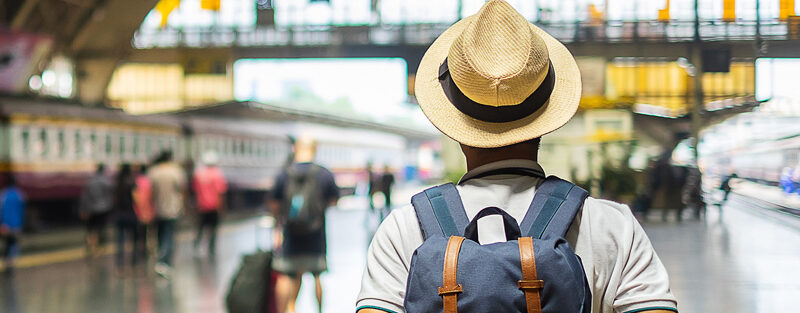
Surviving Holiday Travel as an Autistic Adult
New for the 2026 holidays. Heading somewhere for the holidays? This is how to make the trip easier on your nervous system.
Holiday travel is hard for almost everyone. Crowded airports. Delays. Too many people in too small a house. For autistic adults, it can be a lot more than hard. It can wipe you out for days.
I’m autistic and I travel a lot. Most of my trips are long drives into the desert, where I set the schedule. Holiday travel is the opposite. You control almost nothing. So the goal is to control what you can, and plan for recovery when you get there.
This post covers how to plan, how to get through the airport or the drive, and how to handle staying somewhere that isn’t yours. For the gear I pack, see Travel Gear for Autistic Adults That Actually Works.
Plan More Than You Think You Need To
Surprises cost energy. Planning ahead spends that energy early, when you have it.
Write down the whole trip, step by step. When you leave. How you get to the airport. Where you park. Which terminal. What you’ll eat and when. It feels like a lot. It means fewer decisions on the day when your brain is already full.
Pick the quietest options you can. Early morning flights are usually calmer than afternoon ones. Flying on the holiday itself, or a few days before the rush, is usually calmer than the busy days right before it. If you’re driving, leave before rush hour or after it.
Build in buffer time. Not just for delays, but for you. An extra hour at the airport you don’t need is a lot better than sprinting to a gate.
Make the Airport or the Drive Easier
Noise is the big one. Noise-cancelling headphones take the edge off engine drone, crowds and announcements. Transparency mode lets the gate calls through without taking them off. For the really loud moments, passive ear muffs block even more.
Wear something familiar. Travel strips away almost everything that feels like home. A soft layer you already know is one thing that stays the same. My go-to is a Comfrt Airplane Mode hoodie. The hood comes up when a place is too bright or too loud.
Bring something for your hands. Waiting is where anxiety builds. A spiky sensory ring or a worry stone in your pocket gives your hands something to do that nobody notices.
Know where the quiet spots are. Many airports have quiet rooms, chapels or sensory rooms. Look them up before you go. Some also offer the Hidden Disabilities Sunflower lanyard, which quietly tells staff you might need more time or help.
If you’re driving, plan your stops. Pick gas stations and rest areas ahead of time so you’re not making choices while you’re tired.
Staying With Family
This is often the hardest part. Someone else’s house means someone else’s noise, schedule, food and lighting. There’s nowhere to retreat.
Ask for one quiet space, even if it’s small. A bedroom with a door you can close. A spot in the car. A walk around the block. Tell people ahead of time that you’ll need breaks, so leaving the room doesn’t turn into a conversation.
Keep part of your routine. Wake up at the same time. Eat something familiar for breakfast. Go for the same walk. A few anchors make the rest of the day easier to handle.
Have an exit plan. Decide before you arrive when you’ll leave each gathering. It’s easier to stay present when you know there’s an end. I wrote more about this in How to Handle Family Gatherings When You Are Autistic.
Consider a Hotel
Sometimes the kindest thing you can do for yourself is not stay with family at all. A hotel gives you a quiet room, a door that locks and a bed that’s yours.
It doesn’t have to be a big deal. You can still spend the whole day with everyone. You just get to sleep somewhere calm and start the next day with energy.
Chains are predictable, and predictable is good. The room layout, the check-in, the breakfast are mostly the same everywhere. Big chains like IHG are good for that. If you collect points, you can also top up your Hyatt, Marriott or Hilton balance to cover a holiday night.
Ask for a room away from the elevator and the ice machine. Most front desks will help if you ask.
Plan for Recovery
Even a good trip takes energy. Plan a quiet day when you get home. Don’t book anything. Don’t go back to work the morning after you land if you can help it.
Watch for the early signs of burnout, and rest before it gets worse. My burnout post goes into what the signs look like for me.
The Short Version
Plan every step. Pick the quietest times. Bring noise protection, a familiar layer and something for your hands. Ask for a quiet space, or book a hotel. Leave room to recover.
You don’t have to love holiday travel. You just have to get through it in a way that doesn’t cost you the next two weeks.
Support the Adventure
To make your walls less boring, check out my photography portfolio and bring a piece of the wild and my story into your home.
If you’d like to fuel future adventures, you can donate a coffee on Ko-Fi. Every cup keeps me chasing sunrises and stories.
When you shop using my affiliate links, every click helps support this blog at no extra cost to you. It’s a small way to keep Unicorn Adventure alive and kicking while I keep exploring.
Subscribe to my mailing list for future updates, new stories, and behind-the-scenes adventures.
Stay connected with me on Instagram and TikTok for more photos and daily inspiration.
Thanks for being part of the journey, Unicorn Squadron!
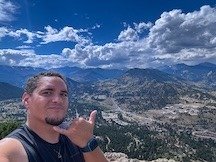
Theo Maynard is a landscape photographer and adventure blogger based in Salt Lake City. He chases remote desert and mountain light across the American West, documents it all solo, and shares the journey through Unicorn Adventure. He’s on the autism spectrum, and that’s not a footnote, it’s the whole story. He creates to inspire others to get outside, chase what lights them up, and live their best possible life. Unapologetically himself.
More from Autism
 How to Handle Family Gatherings When You Are Autistic
 Cozy Gifts for Winter Burnout Recovery
 Gifts for Autistic Adults Who Love the Outdoors
 Embracing My Truth: Living with Autism and Finding Strength in Vulnerability
- Travel Gear for Autistic Adults That Actually Works (From Someone Who Uses It)
- The Best Weighted Blankets for Anxiety and Stress Relief
1 Comment
Gear for Autistic Adults, Sensory Tools That Make Travel Easier
[…] for the holidays? Read Surviving Holiday Travel as an Autistic Adult and How to Handle Family Gatherings When You Are Autistic. Shopping for someone? See my gifts for […]