
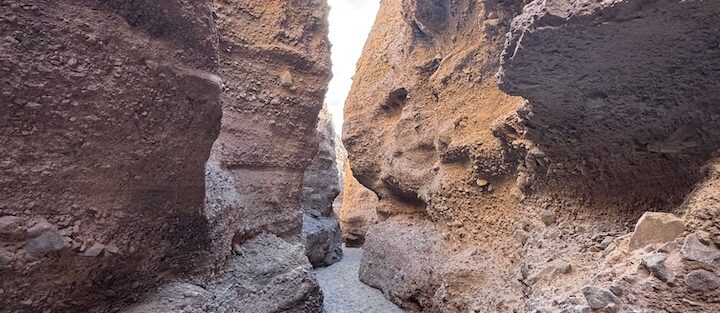
The trailhead is 30 feet from US-93. Most people drive past it every day. Spooky Canyon is one of the least-visited slots in the Lake Mead area not because it’s remote but because it’s unsigned and easy to miss at highway speed. Once you know it’s there, the GPS coordinates lock it in. The canyon is short, tight, and worth every minute. The volcanic and sandstone walls twist in ways that feel deliberate, like the rock was arranged for photographers and then aged for 300 million years. The light changes with every bend. Narrow, enclosed natural spaces have always felt surprisingly comfortable to me, more manageable than open crowds, easier to process. Spooky Canyon does the same thing it does to everyone: it pulls you in and makes the outside world disappear. For 30 to 60 minutes, it’s just walls and light and the sound of your own footsteps on sand. That’s the whole appeal. That’s enough.
Quick Facts
| Location | Lake Mead National Recreation Area, Nevada |
| Coordinates | 35.98361, -114.70549 |
| Distance | 0.8 miles |
| Elevation Gain | 100 ft |
| Difficulty | Easy |
| Time | 30 to 60 minutes |
| Dogs Allowed | Yes, on leash (see Dog Friendly section) |
| Fee | $25/vehicle (America the Beautiful pass accepted) |
| Plan This Hike on AllTrails | |
How to Get There
Spooky Canyon sits inside Lake Mead National Recreation Area, about 45 minutes southeast of the Las Vegas Strip and 20 minutes from Boulder City. Take US-93 South from Las Vegas toward Hoover Dam. The parking pull-off is directly off US-93 on the Nevada side, roughly between Boulder City and the dam. GPS coordinates for the trailhead: 35.98361, -114.70549. There are no signs marking the canyon or the pull-off from the highway. Navigate to the coordinates and slow down well before you reach the turnoff. The pull-off is small and easy to overshoot. A second vehicle pass is faster than a three-point turn on a two-lane highway with dam traffic.
Parking Information
Parking is an informal pull-off directly on US-93. Space for three to five vehicles depending on how people size their park. No fee for the lot itself, though the standard Lake Mead NRA park entrance fee of $25 per vehicle applies. No facilities here, no restrooms, no shade, no water. Come self-sufficient from your vehicle. Early mornings see the least traffic on US-93 and the most available pull-off space. Weekday visits are noticeably quieter than weekend afternoons when Hoover Dam tourism builds highway volume.
Cell Service and Navigation
Cell signal on US-93 is workable on most carriers. Inside the canyon, signal drops immediately. The canyon is short enough that navigation isn’t a concern once you’re in, the walls guide you. But download the AllTrails map before you leave Las Vegas or Boulder City anyway. The trailhead GPS coordinates are the critical piece: without them, finding the pull-off is a guessing game. Flash flood warning: slot canyons flood with no local warning when rain falls upstream. Before any slot canyon visit, check the National Weather Service forecast for Clark County and the broader Lake Mead watershed. A clear sky above you means nothing if a storm cell is sitting 20 miles north. This is not a drill. Slot canyon flooding is how people die in desert terrain that looks completely safe.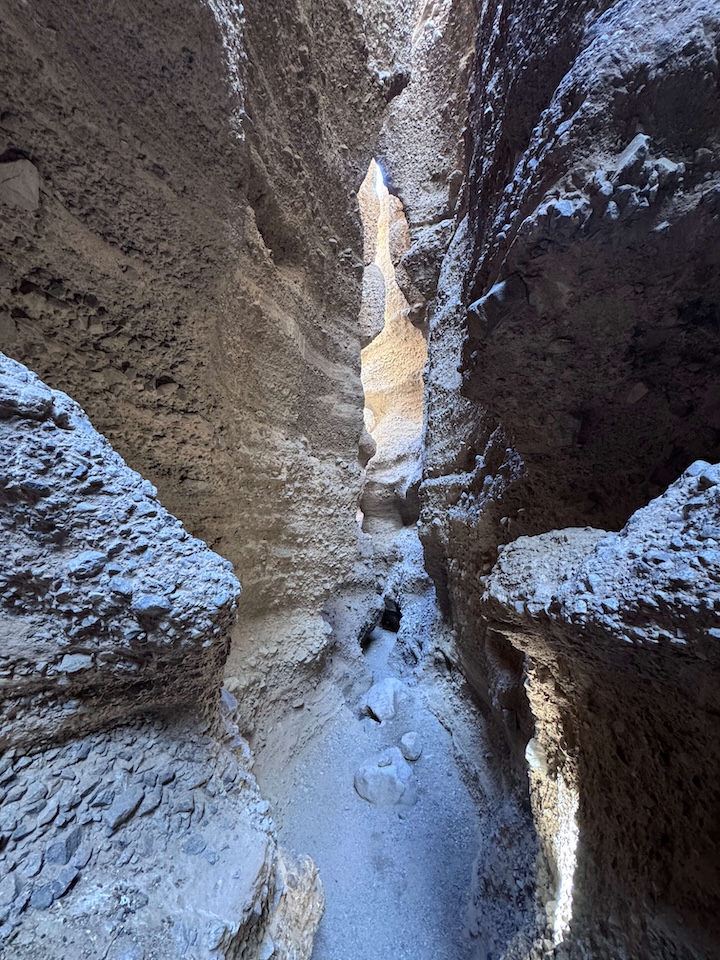
What to Expect on Spooky Canyon
The Canyon
The approach from the pull-off is a short walk across flat desert to the canyon entrance. Once you’re in, the walls narrow quickly. The canyon twists through a series of tight bends with walls close enough to touch on both sides in the tightest sections. The floor is sandy with occasional small boulders requiring a step or a duck. Nothing technical, but you’re moving through the canyon on its terms, not yours. The light inside the canyon shifts with the time of day and the angle of the sun overhead. Midday brings shafts of direct light down through the slot openings. Morning and evening light bounces off the warm-toned walls and creates diffused, even illumination that photographers love. The canyon walls show both volcanic basalt and desert sandstone layers depending on the section, a visual record of the geological events that shaped this corner of the Mojave.
The Side Passages
Spooky Canyon branches. Several side passages split off from the main route at varying points. They’re worth exploring on a first visit rather than committing to a single line through the main canyon. Some dead-end quickly. Others open into small chambers or secondary narrows. The branching nature is what gives the canyon its maze quality, and it’s easy to lose your orientation on the first pass through. Pay attention to landmarks on your way in so your exit line is clear. The full accessible length of the canyon, including side passage exploration, runs to about 0.8 miles. Most visitors cover it in 30 to 45 minutes. Photographers working the light take longer. 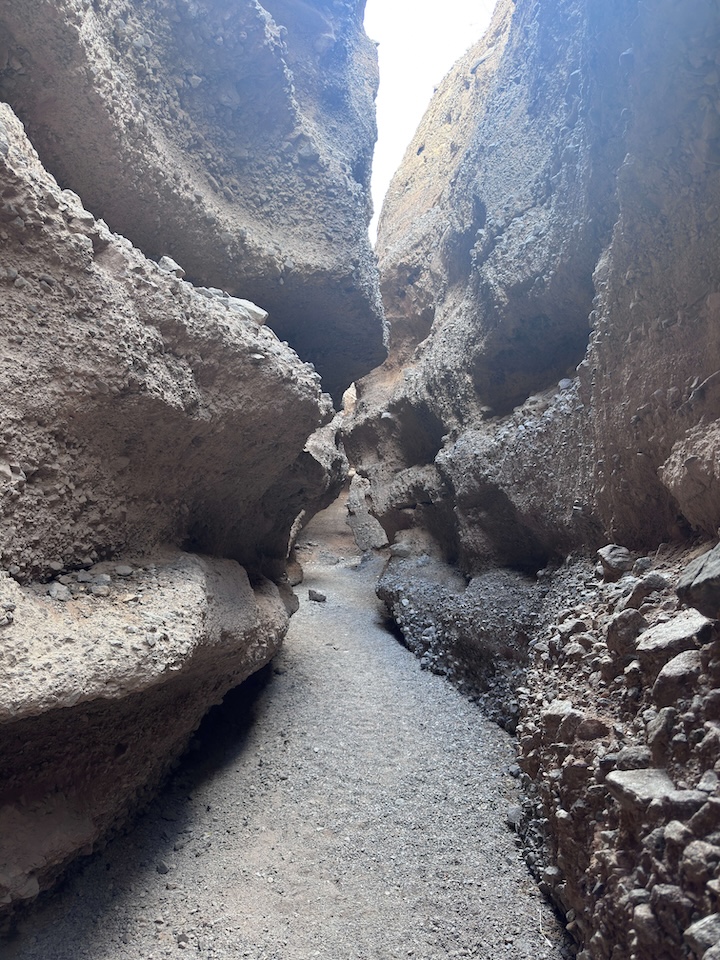
Trail Difficulty and Length
Spooky Canyon is easy in terms of physical demand. The 0.8-mile distance and 100-foot elevation change are accessible to most fitness levels. The challenge, to the extent there is one, is navigational rather than physical. The canyon is unmarked and the branching passages require attention. There’s no danger of getting lost in a meaningful sense given the short total length, but it’s worth keeping track of your entry and exit bearings. The tight sections require comfortable movement in confined spaces. Anyone claustrophobic should know in advance that the narrowest passages bring the walls within arm’s reach on both sides. It’s not a squeeze cave, no sucking-in required, but the enclosed geometry is real and sustained. If narrow spaces create anxiety, the canyon may work against you rather than for you. For contrast, Fortification Hill (3.5 miles, 1,394 ft gain) and the Railroad Tunnel Trail (8.2 miles, 931 ft gain) are both close by and worth pairing with Spooky Canyon on a full Lake Mead day.
Dog Friendly?
Leashed dogs are technically permitted. In practice, this one requires honest assessment of your dog’s comfort level. The confined passages and tight turns can stress dogs that aren’t accustomed to enclosed terrain. A high-energy retriever who charges ahead will have a rougher time than a calm, trail-experienced dog who takes direction. The canyon floor is sandy and manageable on paws, no sharp rock surfaces in the main route. If your dog is calm on narrow trails and handles new terrain without panic, bring them. If not, the Railroad Tunnel Trail nearby is a better fit: wide, flat, and consistently open. 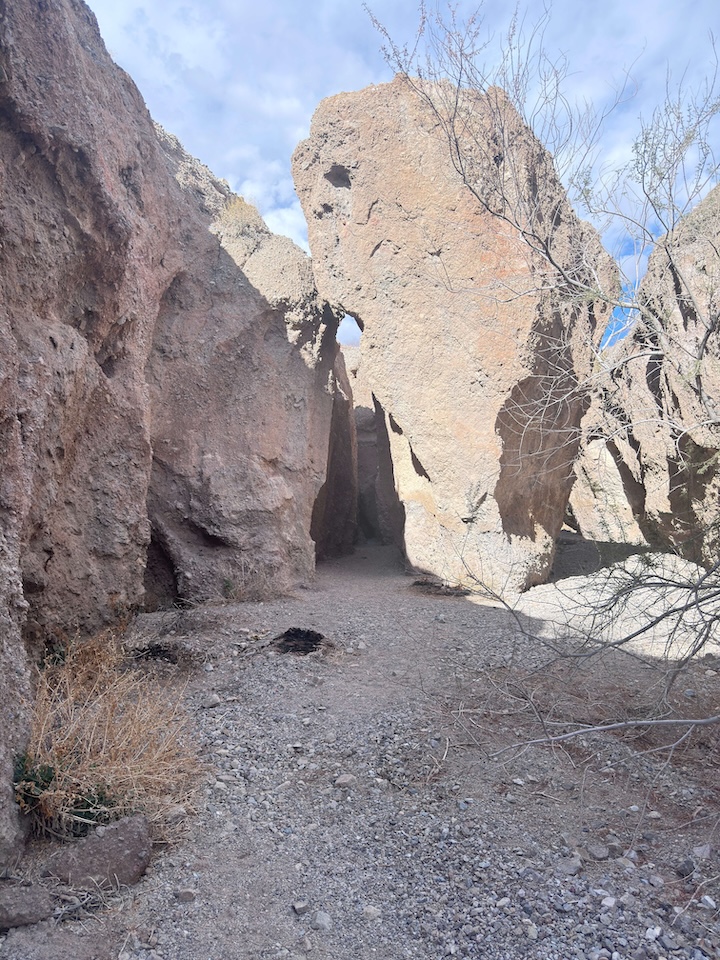
What to Bring
This is a short hike with no sustained physical demand, so pack light. Water for at least an hour in the desert heat, more in summer. Closed-toe shoes with reasonable grip on sand and small boulders. Sun protection for the approach and exit since the canyon itself provides natural shade but the trailhead does not. Photographers: a wide-angle or moderate wide lens handles the canyon geometry best. A phone camera works well in the diffused slot light. Tripod access is limited in the tighter sections. Don’t bring a large external frame pack: the tight passages will catch it. Flash flood kit: know the weather before you go. No gear substitutes for the decision not to enter a slot canyon when rain is possible in the region.
Best Time to Hike Spooky Canyon
October through April is the reliable window. The canyon’s natural shade keeps temperatures manageable even on warmer shoulder-season days. November through March is the cleanest window for photography: low sun angle, warm wall tones, and diffused slot light throughout the morning. Summer is possible with an early start and a short visit, but US-93 heat hits fast on the approach and exit. The canyon itself stays cooler than the surrounding terrain. Midday summer visits without early timing are uncomfortable and dehydrating even for a short hike. For photography: the 30-to-90-minute window after sunrise produces the best canyon light as direct sun begins to reach into the slot and bounce warm tones off the walls. Overcast days produce even, shadowless light that’s good for detail shots of the rock texture. Avoid harsh midday sun in spring and fall when contrast inside the canyon goes extreme.
Rules and Regulations
Lake Mead National Recreation Area charges $25 per vehicle. America the Beautiful passes are accepted. Stay in the canyon on natural surfaces and avoid climbing on or pulling at rock formations. The sandstone in sections of the canyon is soft and erodes under pressure. Pack out everything, the remote pull-off location means no trash service and no cleanup crew. Drones are not permitted in Lake Mead NRA. Flash flood protocol: exit the canyon immediately at any sign of water movement, unusual sound, or debris in the flow. Don’t wait to assess the situation. Moving water in a slot canyon travels faster than you can react. If the weather forecast shows any rain activity in the region, do not enter.
Where to Stay Near Spooky Canyon
Boulder City is the closest town, 20 minutes from the trailhead. For Las Vegas-based stays, Marriott Bonvoy properties near the Strip give you 45-minute access to the pull-off on a clear highway morning. IHG Rewards hotels in Henderson cut 15 minutes off that drive and skip the Strip departure traffic entirely. Hilton Honors options near Henderson cover the same advantage. For a multi-day Lake Mead stay, Boulder City puts you within 20 minutes of Spooky Canyon, Fortification Hill, and the Railroad Tunnel trailhead. The town has independent motels, walking access to the historic downtown, and easy returns from long desert days without driving back through Strip traffic.
Camping Nearby
Kingman Wash dispersed camping is accessible off US-93 a few miles from the Spooky Canyon pull-off, directly on the lake in a primitive 4×4-accessible site. Canyon walls on three sides, open water to the east. It’s the kind of campsite that makes a half-day slot canyon visit feel like a complete desert experience. Las Vegas Bay Campground is the closest developed option inside Lake Mead NRA, 15 minutes from the trailhead with hookups and paved sites for RVs. Reservations at recreation.gov. Stewart’s Point is another designated campground along Lakeshore Road with direct lake views and better accessibility than Kingman Wash. Lovell Canyon in the Spring Mountains offers free dispersed camping at 7,000 feet in the pines, 45 minutes from the trailhead. A strong contrast to the desert floor and a good base for combining Spooky Canyon with Red Rock Canyon hiking over consecutive days.
Nearby Adventures
The full Lake Mead trail cluster is within 30 minutes. The Railroad Tunnel Trail (8.2 miles, 931 ft gain) and Fortification Hill (3.5 miles, 1,394 ft gain) pair well with Spooky Canyon on a full day at the park. Cover Spooky Canyon first, then the Railroad Tunnel Trail out-and-back, and you have a strong 9-mile day with two completely different terrain experiences. Add Fortification Hill the next morning if your legs are ready for 1,400 feet of gain. Hoover Dam is 15 minutes from the Spooky Canyon pull-off and worth the stop. The inside tour covers the powerhouse and construction history. The Boulder City Hoover Dam Museum provides context on the workers. For the broader Las Vegas hiking picture, the full guide covering Valley of Fire, Red Rock Canyon, and Lake Mead is at the Las Vegas hiking guide. Anniversary Narrows is another slot canyon option in the Lake Mead area for anyone who wants more narrow-canyon time after Spooky Canyon.
Plan This Hike
Spooky Canyon is on AllTrails with GPS coordinates, recent photos, and a downloadable offline map: View on Alltrails. The AllTrails listing is the most reliable way to pre-load the trailhead coordinates before you lose signal. Recent reviews flag current conditions on flash flood risk and any notable changes to the canyon access. Since this trail has no official signage, the coordinates in AllTrails are more important here than on almost any other trail in the region.
Chase the Quiet
The tightest section of Spooky Canyon blocks US-93 completely. You can’t hear the highway. You can’t see the sky. It’s just walls, sand, and the geometry of rock shaped by water that hasn’t run through here in years. That erasure of everything outside is what slot canyons do, and Spooky Canyon does it in under a mile, 30 feet from one of the busiest roads in Nevada.
Support the Adventure
To make your walls less boring, check out my photography portfolio and bring a piece of the wild and my story into your home. If you’d like to fuel future adventures, you can donate a coffee on Ko-Fi. Every cup keeps me chasing sunrises and stories. When you shop using my affiliate links, every click helps support this blog at no extra cost to you. It’s a small way to keep Unicorn Adventure alive and kicking while I keep exploring. Subscribe to my mailing list for future updates, new stories, and behind-the-scenes adventures. Stay connected with me on Instagram and Facebook for more photos and daily inspiration. Thanks for being part of the journey, Unicorn Squadron!
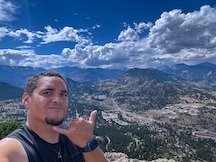
Theo Maynard is a landscape photographer and adventure blogger based in Salt Lake City. He chases remote desert and mountain light across the American West, documents it all solo, and shares the journey through Unicorn Adventure. He’s on the autism spectrum, and that’s not a footnote, it’s the whole story. He creates to inspire others to get outside, chase what lights them up, and live their best possible life. Unapologetically himself.