

Introduction

Winter camping opens up a whole new world of outdoor adventure. The trails are quieter, the views are stunning, and you can enjoy nature without the summer crowds.

But heading into cold weather requires the right equipment to stay safe and comfortable. I’ve put together this guide to help you find the best camping gear that will keep you warm and protected during winter trips.

From shelter options to sleep systems and essential tools, having quality gear makes the difference between a memorable adventure and a miserable night outdoors.

I’ll walk you through top-rated tents, sleeping bags, pads, and other critical items that perform well in freezing conditions. I’ll also share advice on selecting gear that matches your needs and tips for keeping everything working properly when temperatures drop.


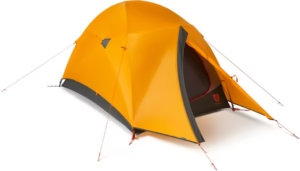
1. NEMO Kunai 2 Tent
 

The NEMO Kunai 2 is built for year-round backpacking, from summer trails to winter expeditions. I find this tent strikes a good balance between weather protection and weight.

This four-season tent handles harsh winter conditions well. It resists wind, manages snow loads, and keeps warmth inside.

The design works for mountaineering and ski touring trips. What sets this tent apart is its versatility.

It’s tough enough for frigid temperatures and snow but breathable enough for milder weather. The lightweight and compact design makes it practical for backpacking trips where every ounce matters.

The Kunai 2 offers solid ventilation, which helps reduce condensation during cold nights. The tent setup is straightforward, even when wearing gloves in winter conditions.

At around 4 pounds, it’s lighter than many traditional winter tents. This makes it a practical choice for winter camping trips where you need reliable shelter without excessive weight on your back.

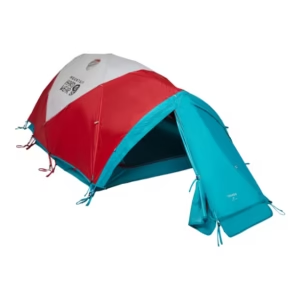
2. Mountain Hardwear Trango 2

four season winter camping tent in snow

The Mountain Hardwear Trango 2 stands out as a four-season tent built specifically for harsh winter conditions. I’ve found it offers excellent durability and weather protection when camping in cold environments.

This tent was first introduced in 1995 and quickly became popular with mountaineers. Its low profile design helps it handle high winds and heavy snow loads.

The Trango 2 features a large vestibule for storing gear and spending time with another person. The bathtub-style floor keeps water out.

Setup is straightforward thanks to the clip system. I should mention that this tent works best in serious winter conditions.

The ventilation is good, but you might get too warm using it for regular camping in mild weather. It can feel cramped when two people need to fit all their winter gear inside.

The tent uses quality materials and construction that can handle extreme alpine environments.


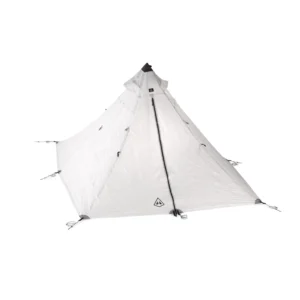
3. Hyperlite Mountain Gear Ultamid 2 Tent

I recommend the Hyperlite Mountain Gear UltaMid 2 for winter campers who want a lightweight shelter that doesn’t compromise on durability. This pyramid-style tent uses Dyneema Composite Fabric, which creates a waterproof barrier against harsh weather.

The tent works well in all-season conditions without adding bulk to my pack. I can set it up using two trekking poles lashed together or buy an optional carbon fiber pole if I prefer not to use poles.

The pyramidal design sheds wind efficiently and provides ample interior space. I find it handles snow loads better than many lightweight options.

This tent costs more than budget alternatives. However, Hyperlite Mountain Gear’s reputation for innovative designs and quality construction justifies the investment for serious winter backpackers.

The UltaMid 2 suits solo trips where I want extra room or comfortable two-person adventures. It balances weight savings with the strength needed for winter camping.


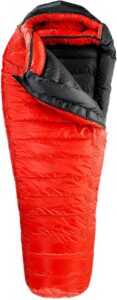
4. Western Mountaineering Bison GWS Sleeping Bag

When I need a sleeping bag for the coldest winter conditions, the Western Mountaineering Bison GWS stands out as a top choice. This bag is rated to -40°F, making it suitable for extreme cold weather camping and mountaineering.

What impresses me most is how light it is for such a warm bag. At just 4 pounds 10 ounces, it’s one of the lightest expedition sleeping bags available at this temperature rating.

The bag uses 42 ounces of 850+ fill-power down insulation to keep you warm. The Gore Windstopper fabric shell blocks wind while staying breathable.

This means cold air won’t get through, but moisture from your body can still escape. I appreciate that the Bison GWS is made by hand in San Jose, California.

The construction includes special V-Block baffling that keeps the down from shifting around. The main drawback is size.

Even compressed, this bag takes up significant pack space. But for polar expeditions or high-altitude mountaineering, the warmth justifies the room it requires.


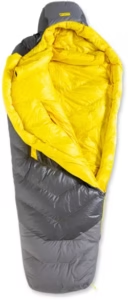
5. Nemo Sonic -20

The Nemo Sonic -20 stands out as a versatile winter sleeping bag that handles extreme cold without sacrificing comfort. I appreciate that this bag works across a wide temperature range, from -20°F to 40°F, which means I don’t need multiple bags for different conditions.

The 850-fill power down provides excellent warmth while keeping the weight manageable for backpacking trips. What sets this bag apart is its ventilation system that releases heat without letting cold air in, giving me control over my temperature throughout the night.

Nemo upgraded the Sonic in 2023 to improve temperature adjustment and warmth retention. The water-resistant shell offers protection around the footbox, and the hydrophobic down helps resist moisture in wet conditions.

I find the cut more spacious than some expedition bags, which adds comfort. The bag earned a Backpacker Editors’ Choice award for its performance in big-mountain environments.

It’s a solid investment for serious winter camping when temperatures drop well below zero.


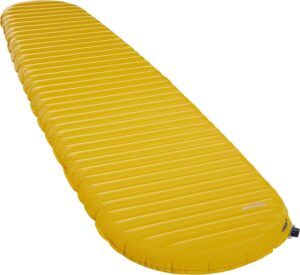
6. Therm-a-Rest NeoAir XTherm Sleeping Pad

I consider the Therm-a-Rest NeoAir XTherm NXT one of the most efficient winter backpacking sleeping pads available today. It delivers an impressive 7.3 R-value while weighing under a pound.

This pad keeps me warm in extreme cold without adding bulk to my pack. The insulation works well in temperatures far below freezing.

I find the weight-to-warmth ratio hard to beat. At 16 ounces for the regular mummy version, it packs small enough for backpacking trips where every ounce matters.

The pad comes in two shapes. I can choose the mummy design to save weight or pick the rectangular MAX version for more sleeping space.

The inflation and deflation system works quickly. I appreciate not having to spend extra time setting up camp when temperatures drop.x


7. Sea to Summit Reactor Extreme Sleeping Bag Liner

I consider the Sea to Summit Reactor Extreme Sleeping Bag Liner essential for winter camping trips. This liner can add up to 25°F of warmth to my existing sleeping bag.

The liner uses Thermolite fabric with a hollow core fiber design. This setup provides solid warmth while staying lightweight and breathable.

It doesn’t add much bulk to my pack, which I really appreciate. One thing I love is how much easier it is to keep my sleeping bag clean.

The liner is simpler to wash than a full sleeping bag, which helps my gear last longer. The mummy shape fits inside most sleeping bags and includes a drawcord hood.

It comes with a stuff sack for easy packing. Sometimes, I even use this liner on its own in mild conditions or for summer travel.

The soft fabric with odor control technology feels comfortable against my skin, no matter the season.


8. Black Diamond Spot 400

The Black Diamond Spot 400 is a versatile backpacking headlamp that handles winter camping well. It puts out 400 lumens, which is plenty for setting up camp in the dark or finding my way after sunset.

This headlamp runs on either alkaline or rechargeable batteries. That flexibility matters when cold weather drains batteries faster than usual.

I like the red light function. It helps me preserve my night vision when I need to check gear or read a map without blinding my tent mates.

The Spot 400 is waterproof, so snow and rain aren’t a problem. It’s lighter than previous Spot models and delivers more power.

The headband stays comfortable, even after hours of wear. I can easily adjust it to fit over a winter hat.

For winter camping, I want a reliable light source that works in the cold. The Spot 400 has never let me down in freezing conditions.


9. Jetboil Flash 1.0L Fast Boil System

I rely on the Jetboil Flash 1.0L Fast Boil System when I need hot water fast in winter. This stove system boils 16 ounces of water in about 2 minutes.

The FluxRing cooking pot uses aluminum fins on the bottom to absorb heat efficiently. An insulating cozy wraps around the pot to keep water hot longer, which is a big deal in the cold.

The push-button igniter starts heating instantly. There’s also a color-changing heat indicator on the cozy that lets me know when water’s ready.

At 13.1 ounces, the Flash is lightweight enough for backpacking and holds up to 32 ounces. The system works best for 1-2 people prepping freeze-dried meals or hot drinks.

The Jetboil Flash boils water efficiently, though it’s really built for that job, not fancy cooking. For winter camping when I just want hot meals without hassle, this stove always comes through.


How to Choose the Right Winter Camping Gear

When I pick winter camping gear, I focus on three things: how well it insulates, how my clothing layers work together, and whether it stands up to harsh winter conditions.

 
Understanding Insulation Ratings

I always check the R-value when I buy sleeping pads for winter trips. This number tells me how well the pad blocks cold from the ground.

A value of 5 or above is necessary for winter camping, but I usually go for pads rated at 7 or higher for extra warmth. For sleeping bags, I look at temperature ratings closely.

A bag rated to 0°F won’t always keep me warm at 0°F, especially if I tend to sleep cold. I subtract 10-15 degrees from the comfort rating to find my real limit.

When I pick insulation for cold weather gear, I choose between down and synthetic fill. Down is warmer for its weight and packs smaller, but synthetic is cheaper and stays warm when wet.

I use down for dry, cold trips and synthetic when I expect moisture. That’s just what works for me.

 
Selecting the Appropriate Layering System

I build my clothing system around three layers. The base layer sits right against my skin and pulls sweat away.

Cotton’s a no-go for me, I stick to merino wool or synthetic fabrics. My mid-layer adds insulation, and I usually bring both a fleece and an insulated jacket so I can tweak my warmth.

The outer shell blocks wind and snow but lets sweat escape. I pay close attention to my hands and feet since fingers and toes get cold first.

  • Liner gloves for camp chores
  • Insulated mittens for hiking
  • Heavyweight wool socks (plus spares)
  • Insulated boots rated for the coldest temps I’ll see

I always toss in one extra warm layer just in case.

 
Assessing Gear Durability for Cold Conditions

Cold weather makes materials brittle. I test my tent poles at home by setting up the tent in freezing temps to spot any issues.

Aluminum poles handle cold better than fiberglass, at least in my experience. Zippers are another weak spot, they fail a lot in winter.

Metal zippers work better than plastic in the cold. I look for tents and sleeping bags with big zipper pulls so I can use them with gloves.

Fuel efficiency drops when it gets really cold. Canister stoves lose pressure below 20°F, so I use liquid fuel stoves for serious winter trips.

I double-check that my water bottles and hydration systems won’t crack if they freeze. I also inspect seams and stitching, double-stitched seams with reinforced spots last longer when snow and ice add extra weight.


Essential Tips for Maintaining Gear Performance in Winter

My winter gear works best when I keep it clean, dry, and store it right between trips. Regular maintenance really helps prevent failures and keeps expensive gear going strong in the cold.

 
Proper Storage Techniques in Cold Weather

I never store my winter sleeping bag compressed for long. Compression kills the insulation loft, whether it’s down or synthetic.

I hang my bag in a closet or stash it in a big mesh sack so it can breathe. My sleeping pad needs to stay partially inflated in storage, so I roll it loosely with the valve open to keep the materials from sticking together.

Cold temps can make foam and fabric brittle, so I avoid leaving pads in my car or garage during winter. I store my tent clean and bone dry in a cool, dry spot.

Moisture in tent fabric leads to mildew and ruins waterproof coatings. I never leave my tent stuffed in its compression sack after a trip.

Instead, I hang it or keep it in a big cotton bag. Metal tent stakes and poles go in a separate bin so they don’t poke holes in anything.

I check all zippers and use zipper lube before storing to avoid freezing issues on my next outing.

 
Cleaning and Drying After Use

I brush off snow and ice from my tent before packing up at camp. At home, I set up the tent indoors or in the garage so it can dry completely.

Even a little moisture can freeze and damage tent fabric in storage. My sleeping bag gets spot-cleaned after each trip and only washed when it really needs it.

Too much washing breaks down insulation. I use a front-loading washer on gentle with down wash or tech wash for synthetics.

Boot care needs attention as soon as I get home after winter camping. I pull out the insoles and dry them separately.

Stuffing boots with newspaper helps soak up moisture and keeps their shape. I never put boots near direct heat like radiators.

I wipe down my stove and cookware to get rid of fuel residue and food bits. Clean fuel lines matter, especially when it’s cold.

 
Field Repairs for Unexpected Issues

I always carry a basic repair kit: duct tape, tenacious tape for fabrics, and spare cord. A small multitool with pliers lets me fix broken tent poles when I need to.

Wrapping duct tape around my trekking poles keeps it handy. Tent pole splints are lifesavers when a pole cracks.

I slide a tent stake or short metal tube over the break and tape it up. Some poles have built-in repair sleeves that slide down the pole until I need them.

Sleeping pad punctures are a pain in winter. I bring patch kits for my pad and make sure the surface is clean and dry before sticking anything on.

For quick fixes, duct tape on both sides of a small hole usually works. Zipper failures are common in the cold, so I carry zipper pulls, safety pins, and a little lube.

If a zipper separates completely, sometimes I can realign it by working the slider back down and carefully pulling it up while holding both sides together.


Frequently Asked Questions

Winter camping means making smart gear choices and using the right techniques to stay safe and comfortable. Understanding sleeping bag ratings, tent features, stove performance, and layering systems helps you prep for cold-weather adventures.

 
What are the top-rated sleeping bags suitable for winter camping?

I suggest looking for sleeping bags rated to at least 0°F for winter. The best ones use high-quality down insulation (800-fill power or more) or synthetic materials that still work if they get wet.

Mummy-style bags keep you warmer by cutting down on dead air space. Look for bags with draft collars, insulated hoods, and zipper draft tubes to stop heat loss.

I always double-check the temperature rating. A 0°F bag will keep an average sleeper alive at that temp, but not necessarily comfortable. For real comfort, I pick a bag rated 10-20 degrees colder than the lowest temps I expect.

 
Which tents offer the best insulation and durability in snowy conditions?

Four-season tents are made for winter camping. They’ve got stronger poles and less mesh than three-season tents.

The Mountain Hardwear Trango 2 uses aluminum poles and reinforced fabric, so it stands up to tough weather.

I like tents with steep walls since snow slides right off instead of piling up on the roof. For ultralight trips, the Hyperlite Mountain Gear Ultamid 2 Tent gives solid weather protection without adding much weight.

 
How can I choose a winter camping stove that performs well in freezing temperatures?

Liquid fuel stoves shine in freezing temps because they keep steady pressure no matter how cold it gets. White gas and unleaded gasoline still work even when the mercury drops way below zero.

Canister stoves can get finicky in the cold since fuel pressure drops with temperature. If you lean toward canister stoves, go for ones with pressure regulators or use isobutane blends since they handle cold a little better.

I look for stoves with windscreens and solid bases, since cooking on snow can get tricky. Remote canister stoves let you flip the canister upside down or even tuck it in your jacket to keep it warm while you cook.

 
What are the essential layering pieces needed for cold weather camping?

The three-layer system is the backbone of cold weather camping clothing. Start with a base layer that wicks sweat, merino wool or synthetic fabrics work best.

The middle layer keeps warm air close to your body. I usually pick fleece or a down jacket, depending on how much I’ll be moving and the weather.

Your outer shell should block wind and moisture. I like jackets that are waterproof and breathable, and pit zips are a lifesaver when I’m working hard.

Insulated pants, warm socks, and a solid winter hat are must-haves. I always toss in extra gloves and hand warmers because cold fingers make everything tougher—been there, done that.

 
Can you recommend a list of ultralight gear options for winter backpacking?

Ultralight winter gear is all about balancing weight and warmth. I stick with a lightweight four-season tent like the Hyperlite Mountain Gear Ultamid 2 and skip the bulkier expedition tents.

Down sleeping bags give you the best warmth for the weight. If you’re trying to shave ounces, quilts work well instead of traditional sleeping bags.

Foam sleeping pads weigh less than inflatables and won’t let you down if it’s freezing. I usually cut my pad to three-quarters length to keep my core and upper legs warm but save weight.

For winter backpacking gear, I lean toward multi-use items. My trekking poles double as shelter supports, and my puffy jacket makes a decent pillow in a pinch.

What are some effective strategies for staying warm while camping in the cold?

Staying dry is honestly the most important thing when you’re out in the cold. I always change out of sweaty clothes right after I set up camp, and definitely before crawling into my sleeping bag.

Eat calorie-dense foods throughout the day. I make sure to have a snack before bed, your body burns through food to make heat, and that really helps keep you warm overnight.

Right before getting in my sleeping bag, I do some jumping jacks or quick exercises. That little boost in core temperature makes a difference.

If it’s extra chilly, I’ll stick a warm water bottle near my core or at my feet inside the bag. It feels amazing, trust me.

Staying warm while winter camping also means looking out for your extremities. I wear a hat to bed because, weirdly enough, you lose a lot of heat through your head.

Keep your sleeping bag fluffy by storing it loosely during the day. I like to sleep with my next day’s clothes inside the bag, so they’re actually warm when I put them on in the morning.

Honestly, staying warm in the cold isn’t about just one thing, it’s a bunch of little habits that add up. Everyone finds their own tricks, but these have worked for me.

 
Support the Adventure

To make your walls less boring, check out my photography portfolio and bring a piece of the wild and my story into your home.

If you’d like to fuel future adventures, you can donate a coffee on Ko-Fi. Every cup keeps me chasing sunrises and stories.

When you shop using my affiliate links, every click helps support this blog at no extra cost to you. It’s a small way to keep Unicorn Adventure alive and kicking while I keep exploring.

Subscribe to my mailing list for future updates, new stories, and behind-the-scenes adventures.

Stay connected with me on Instagram and  Facebook for more photos and daily inspiration.

Thanks for being part of the journey, Unicorn Squadron!

Leave A Comment