

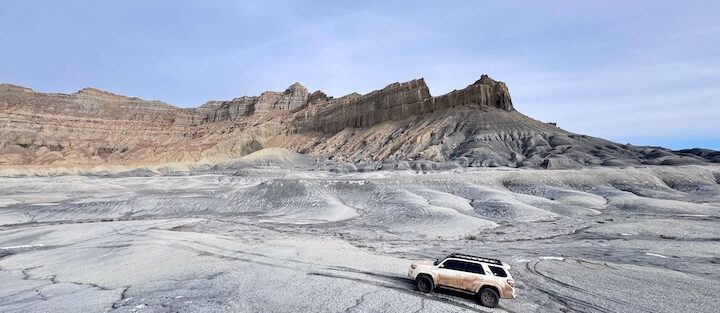
Crosby Canyon is a 4WD route in the Glen Canyon National Recreation Area accessed from Big Water, Utah, about 45 minutes from Page, Arizona on US-89. The route runs through a narrow sandstone canyon with towering red and orange walls, crossing sandy washes and rocky terrain before reaching a hidden beach on Lake Powell. Vehicle note: ATVs and UTVs are prohibited in Glen Canyon National Recreation Area per NPS rules. Crosby Canyon OHV requires a street-legal, registered 4WD high-clearance vehicle. Confirm current access rules and vehicle requirements with the NPS before your visit, as off-road regulations in Glen Canyon can be updated.
Quick Facts
| Route Name | Crosby Canyon OHV |
| Location | Glen Canyon National Recreation Area, near Big Water, Utah |
| Coordinates | 37.0903° N, 111.5220° W |
| Distance | ~10 miles roundtrip (variable depending on exploration distance) |
| Elevation Gain | Minimal |
| Drive Difficulty | Moderate (high-clearance 4WD required; deep sand and rocky sections) |
| Time | 2-4 hours depending on pace and how far into the canyon you explore |
| Dogs Allowed | Yes, on leash |
| Fee | Glen Canyon NRA vehicle entry fee ($35); America the Beautiful Pass accepted |
| AllTrails | View on AllTrails |
How to Get There
From Page, Arizona, take US-89 west toward Kanab. Turn onto Big Water Road and follow it north until it becomes Smoky Mountain Road. Continue on Smoky Mountain Road to the turnoff for Crosby Canyon on the right. The turnoff is easy to miss; it’s an unmarked dirt road branching off from Smoky Mountain Road. Have the GPS coordinates loaded before you leave cell coverage. From Kanab, Utah, take US-89 east toward Page. The Big Water Road turnoff is approximately 30 miles east of Kanab. Big Water is a small community on US-89; Smoky Mountain Road runs north from town. From Salt Lake City, plan about 5-5.5 hours: I-15 south to US-89 south through Kanab to Big Water.
Vehicle Requirements
High-clearance 4WD is required for Crosby Canyon. The route has deep sandy sections, rocky terrain, steep inclines, and ruts that will ground out standard clearance vehicles and potentially strand two-wheel-drive vehicles in the sand. A truck or SUV with true 4WD (not AWD) and at least 8 inches of ground clearance is the minimum appropriate vehicle. Experienced off-road drivers with recovery equipment (tow straps, traction boards, shovel) are better positioned to handle unexpected soft sand sections. Air down tires to 20-25 PSI before the sandy sections of the route. This significantly improves traction and floating over soft sand. Reinflate before returning to the paved road. ATVs and UTVs are prohibited in Glen Canyon National Recreation Area. Street-legal, registered vehicles only. Confirm current NPS vehicle regulations before your visit at nps.gov/glca. 
Cell Service and Navigation
Cell coverage drops significantly on Smoky Mountain Road and is absent in Crosby Canyon. Download offline maps and GPS tracks before leaving Kanab or Page. The turnoff for Crosby Canyon is unmarked and the entrance is easy to miss; having the GPS coordinates for the turnoff saved before you lose coverage is the most important navigation step for this route. A dedicated GPS unit or a phone with downloaded offline maps and a backup battery is appropriate for a remote OHV route of this type. Paper backup map of the area recommended.
What to Expect on the Crosby Canyon Route
The Canyon
Crosby Canyon is a narrow Navajo Sandstone canyon with walls in vibrant red, orange, and gold. The route winds through the canyon with the walls close on both sides in the narrower sections. The scale of the sandstone and the color saturation make this one of the more visually distinctive OHV routes in the Glen Canyon NRA area. The canyon terrain shifts between rocky sections requiring slow careful driving and sandy wash stretches where momentum and tire pressure management matter. The canyon is remote and quiet. The Big Water / Smoky Mountain Road corridor sees far less traffic than the Page area attractions. Solitude is one of the primary values of the route, along with the canyon visual character.
The Lake Powell Beach
The route leads out to a beach on Lake Powell at the canyon’s end. The beach is hidden from the main lake traffic by the canyon approach, giving it a secluded quality. Lake Powell’s water level has fluctuated significantly in recent years due to drought and water management changes, which affects beach accessibility and size. Check current Lake Powell water levels before planning a visit if the beach is a specific objective; lower water levels expose more beach but also change the route terrain on the approach. For photography: the canyon walls are the primary visual subject, with the best light in morning (east-facing sections) and late afternoon (west-facing sections) when the sandstone is warm. The beach and lake are accessible for water shots when the route reaches the lake. Sunrise and sunset over Lake Powell from the canyon mouth are the premium photography moments. 
Route Difficulty and Length
The route is approximately 10 miles roundtrip with minimal elevation gain. The deep sand and rocky sections warrant a moderate drive difficulty rating when accounting for vehicle demands. The terrain is not technically difficult for a capable off-road vehicle driven by an experienced operator; it requires attention and appropriate equipment rather than extreme capability. Budget 2-4 hours for the full roundtrip depending on driving pace and time spent at the canyon and beach. After heavy rain, the sandy sections become muddy and the rocky sections can be slippery; road conditions deteriorate significantly in wet weather. Check forecasts before any desert OHV visit.
Dog Friendly?
Yes. Dogs are permitted on leash in Glen Canyon NRA. The vehicle-based nature of most of the route limits the dog experience unless you stop and walk sections. The beach at the end is a natural dog destination if the water level is accessible. Bring water and be aware of desert heat in the vehicle and on the ground surfaces during summer. 
What to Bring
Vehicle prep: air-down equipment, tow straps, traction boards, shovel, and a tire repair kit at minimum. A Hi-Lift jack is worth having on remote OHV routes where soft sand recovery is a realistic scenario. Know how to use your recovery equipment before you need it. Water: more than you think you need for both people and dogs. The route is remote and the nearest services are in Big Water or Page, both 30-45 minutes away by road. Snacks and food for the duration. A first aid kit. Emergency communication device (Garmin inReach or similar) given the lack of cell coverage. For photography: wide-angle for the canyon walls, mid-range for the geological texture, a camera mount or method to shoot from the vehicle for moving shots through the canyon.
Best Time to Visit Crosby Canyon
Spring (March through May) and fall (September through November) are the comfortable windows for desert OHV driving. Mild daytime temperatures, no monsoon risk, and the best landscape light of the year. The sandstone in these temperatures and light conditions is the most photogenic. Summer heat in this desert corridor exceeds 100°F regularly from June through September. Early morning starts (before 7 a.m.) are the practical summer approach. The sandy sections heat to temperatures that burn rapidly in summer midday. Avoid Crosby Canyon in wet weather or immediately after rain. Desert OHV routes become significantly more difficult when wet and recovery from soft sand increases substantially. 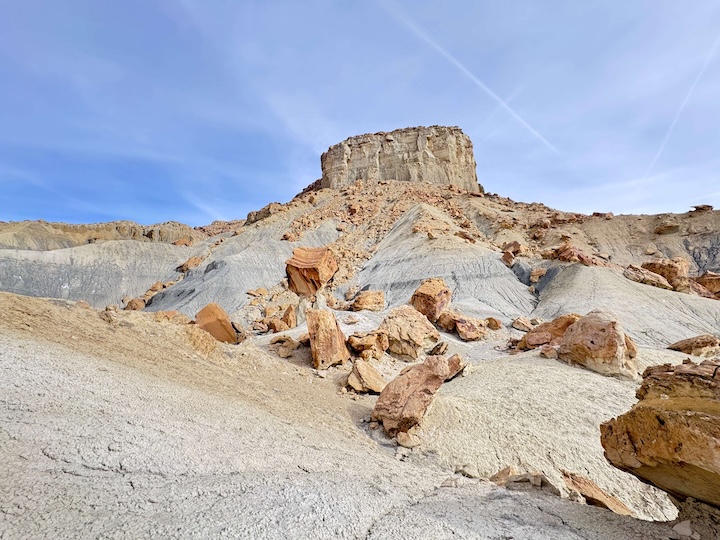
Rules and Regulations
Glen Canyon National Recreation Area rules apply. Street-legal, registered 4WD vehicles only. ATVs and UTVs are prohibited. No drones without a special use permit. Stay on designated routes; creating new routes across desert terrain is prohibited and damages the cryptobiotic soil crust. Leave No Trace throughout. Campfires only in designated areas; check current fire restrictions. $35 vehicle entry fee or America the Beautiful Pass. Respect private property boundaries on the approach via Smoky Mountain Road.
Where to Stay Near Big Water
Page, Arizona, is the nearest town with developed lodging, about 45 minutes east on US-89. Big Water is a small community on US-89 with limited services. For points travelers in Page, check available Marriott Bonvoy properties in Page, IHG Rewards hotels in Page, and Hilton Honors options in Page. Kanab, Utah, is about 30 miles west on US-89 and is another base option. 
Camping Nearby
Glen Canyon NRA has dispersed camping on designated routes throughout the recreation area. Crosby Canyon area camping may be available on the route; confirm current camping regulations with the NPS. Wahweap Campground near the Page marina area is the nearest developed campground with facilities. Big Water town and the US-89 corridor have a few developed options.
Nearby Adventures
Smoky Mountain Road is the other OHV route from this same area. A longer and more challenging route through remote desert canyons with views of the Kaiparowits Plateau. Worth knowing about for experienced off-roaders who want more distance after Crosby Canyon. The Page, AZ cluster is 45 minutes east: Horseshoe Bend, Dam Overlook, Glen Canyon Bridge, Hanging Garden Trail, and Antelope Canyon tours. A Crosby Canyon OHV day pairs naturally with a Page afternoon for the overlook and iconic views at the end of the day.
Plan This Drive
AllTrails has Crosby Canyon OHV mapped with GPS track and offline capability. The GPS track is the most critical resource for finding the unmarked turnoff. Plan your drive on AllTrails and download the full offline map and GPS track before you lose coverage on Smoky Mountain Road.
Chase the Quiet
Crosby Canyon is 45 minutes from one of the most visited viewpoints in the American Southwest. It’s on the same lake, in the same sandstone, under the same sky. It requires a truck, some off-road experience, and the willingness to take an unmarked dirt road off Smoky Mountain Road. In exchange, you get a narrow canyon with orange walls and a beach at the end that very few people know about. That trade is a good one.
Support the Adventure
To make your walls less boring, check out my photography portfolio and bring a piece of the wild and my story into your home. If you’d like to fuel future adventures, you can donate a coffee on Ko-Fi. Every cup keeps me chasing sunrises and stories. When you shop using my affiliate links, every click helps support this blog at no extra cost to you. It’s a small way to keep Unicorn Adventure alive and kicking while I keep exploring. Subscribe to my mailing list for future updates, new stories, and behind-the-scenes adventures. Stay connected with me on Instagram and Facebook for more photos and daily inspiration. Thanks for being part of the journey, Unicorn Squadron!
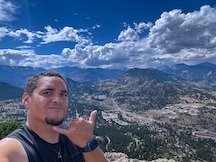
Theo Maynard is a landscape photographer and adventure blogger based in Salt Lake City. He chases remote desert and mountain light across the American West, documents it all solo, and shares the journey through Unicorn Adventure. He’s on the autism spectrum, and that’s not a footnote, it’s the whole story. He creates to inspire others to get outside, chase what lights them up, and live their best possible life. Unapologetically himself.